12 Seattle police officers to wear body cameras
Dec 13, 2014, 1:33 PM | Updated: Dec 18, 2014, 7:15 pm

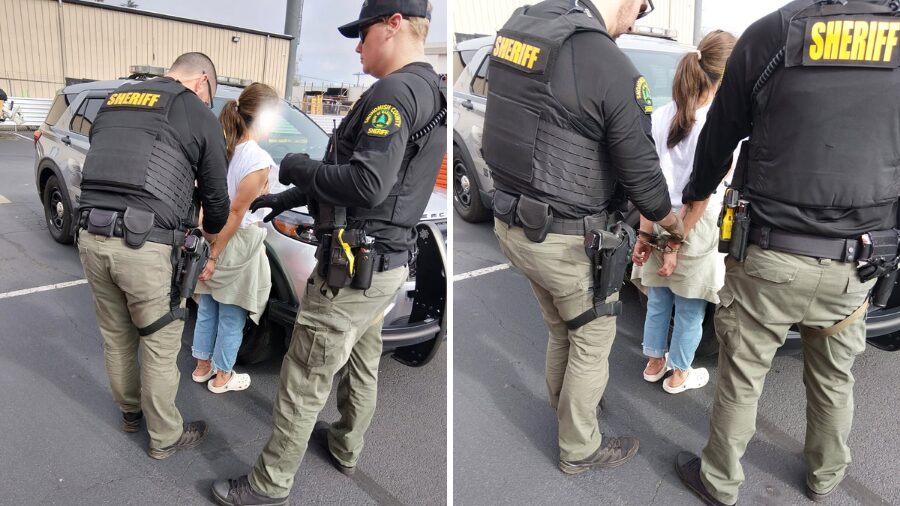
Seattle police will begin testing body-worn cameras with 12 officers. Photographed is a Philadelphia officer demonstrating a body-worn camera. (AP Photo)
(AP Photo)
The Seattle Police Department says a dozen of its East Precinct officers will be testing body-worn cameras that could eventually become the norm for all patrol officers.
The department says it’s been working toward the body cameras for more than a year. Footage will be used as evidence against suspects and help monitor officers’ behavior.
SPD says research shows cameras have resulted in a decline in assaults on officers, as well as the need for officers to use force.
The American Civil Liberties Union and Community Police Commission, among other groups, worked with SPD to develop policies for the use of body cameras.
The department says it’s also working with the Department of Justice monitor Merrick Bobb to finalize policies for the body cameras. The final policy can be found here.(pdf)
The department released answers to some frequently asked questions about the cameras:
Q: What is a body worn camera?
A: A small, battery-powered camera worn by police officers either on their uniform or on eyewear.
Q: What kind of cameras will SPD test?
A: SPD officers are using cameras made by TASER, based in Scottsdale, Arizona, and by Seattle-based VIEVU. SPD is trying out the same systems being tested by the Los Angeles Police Department and the New York Police Department.
Q: What’s the difference between the two camera systems?
Taser’s cameras, which use standard definition video, can be worn on both eyewear and uniforms. VIEVU’s are only worn on uniforms and offer both standard and high definition video. Both systems offer cloud-based video storage, ie., uploaded through the internet and stored on secure off-site servers. Both systems also have options to store video on existing SPD servers, along with footage from the department’s in-car camera video system that’s already in use.
Q. How many cameras is SPD testing?
A: Twelve officers from the East Precinct will test the Taser system, and then the VIEVU system. Each one will be tested for 60-90 days.
Q: Why are officers wearing cameras?
A: The intent is to capture video of officer interactions. The footage can be used as evidence against suspects, and help monitor the behavior of officers. In addition, a recent report by the U.S. Department of Justice found that most research on the use of body-worn cameras “document a reduction in citizen complaints against the police and, in some cases, similar reductions in use of force and assaults on officers.”
Q: Will the cameras record audio as well as video?
A: Yes. Washington state law requires “two-party consent” to record audio. For residences or other private areas not open to the public, officers will ask for consent to record. The request and any response will be recorded. If the request is denied, officers will stop recording during the time they’re in the private area. However, officers can record without consent for crimes in progress or in other circumstances that allow officers to be legally present without a warrant.
Q. How will I know if I’m being recorded by a body worn video camera?
A: In addition to verbal notification, an indicator light will turn on when the camera is activated.
Q. Are there places where officers cannot use the cameras?
A: Officers won’t record public protests, or in places where an expectation of privacy exists, such as restrooms, jails, or hospitals — unless there’s reasonable suspicion a crime is being committed or the recording of the location is material to a criminal investigation.
Q: Did the controversy following the shooting of 18-year-old Michael Brown in Ferguson, Mo. factor into SPD’s decision to use body-worn cameras? (Some people feel body-worn cameras would have shed light on the events that led to Brown’s death)
A. SPD has been looking into the use of body-worn cameras for some time and was drafting plans for a pilot test before the Ferguson incident.
Q: Could the video be tampered with or altered by a police officer or anyone else?
A: No. The system was designed with security “hash tags” that will mark the original videos, so that any alteration can be identified.
Q. Can the videos be viewed by the public?
A: State law allows the public to request video footage through a public records request.
Q: Are any other police departments in the state using body-worn cameras?
A: Several, including the Bainbridge Island and Airway Heights police departments. The Spokane Police Department is testing them.
Q. How long are the videos kept?
A: Current policy is to indefinitely keep video recordings dealing with crimes.