Haynes: Democracy finally starts to take hold in Hong Kong
Nov 27, 2019, 6:52 AM | Updated: Oct 10, 2024, 2:20 pm


Alexander Haynes is an aspiring journalist raised in the northwest with a background in investigation and policy. He is a graduate of an internship program at KTSW 89.9 in San Marcos, Texas and will always have a new book recommendation for anyone who asks. He has been reporting on the ground from Hong Kong during the city’s recent protests and time of civil unrest.
Hong Kong’s protests started in June 2019 against proposals to allow extradition to mainland China. Critics feared this could undermine the city’s judicial independence and endanger those critical of mainland China.
Carrie Lam, the Chief Executive of Hong Kong (appointed by China) agreed to suspend the extradition bill, however demonstrations developed to include demands for full democracy and an inquiry into police actions.
The extradition bill was withdrawn in September. Clashes between police and activists have become increasingly violent, with police firing tear gas and rubber bullets without warning and protesters attacking officers and throwing petrol bombs, in recent days.
Additional Note: While Hong Kong has twenty-six political parties, they can be neatly divided into pan-dem (pro-democracy movement) and pro-Beijing (pro-CCP).
The Hong Kong District Council elections perfectly captured the spirit and call of the 2019 Hong Kong protests, legitimizing and sending a powerful message to Carrie Lam and the entire complexion of the Chinese Communist Party (CCP) ensemble.
The district council elections have dismissed the “silent majority” line that many pro-Beijing headlines have parroted, simultaneously ushering a crevasse through the firewall of mainland Chinese protectionism. The District Councillors of Hong Kong (a glorified city council position), self-admittedly, do not have the decision making of the Legislative Council; and yet, their election victory on Nov. 24 proves that democracy, even if limited, can leave powerful waves.
The day itself was surreal and celebratory, as many feared the election would end before it even began. In the preceding weeks, closing elections was what many in Hong Kong assumed Beijing would do to quell the tide of protests.
Haynes: Future of Hong Kong at center of US trade war with China
Pro-Beijing candidates and party establishment members took this a step further, calling for the cancellation of elections for the “safety of Hong Kong.” In the week ahead, even as violence reigned in a standoff between police and protesters at Polytechnic University (Poly U), it became more evident that the government was not going to cut off elections.
Several pro-Beijing companies, however, urged their employees to vote before noon, leading to the fear that the ballot boxes would close in the afternoon. The independent election committee had stated that any interruption leading to 90 minutes or more would lead to a long-term suspension of the balloting process.
As a result, Hong Kong turned out in strength before ballot boxes opened at 7:30 a.m. local time. The longest queues took 90 minutes to wade through, as a record turnout of 2.94 million (71.2 percent of eligible voters) braved the crowds and made their voices heard. In the early morning of Nov. 25, it became clear that the majority of Hong Kong yearned for democracy, as 347 seats went to pan-democrats, sixty seats to pro-Beijing candidates, and another forty-five to independents. Seventeen of the eighteen districts now belong to the pan-democrats, despite strong evidence of vote tampering from pro-Beijing sympathizers.
The result for the Democratic Alliance for the Betterment and Progress of Hong Kong (DAB) has been left with an inconclusive voice.
Note: The DAB, despite the “Democratic” title is the largest pro-Beijing party.
Leader Starry Lee Wai-King offered her resignation, although the group declined and asked that she continued to lead. Social media on the app Weibo in mainland China reflected shock and surprise, with many showing cognitive dissonance and curiosity to the results. As mainland Chinese reporting has often shown Hong Kong as a city literally burning down (it’s not), labeling the protesters as a small group of radicals who were internationally funded (they aren’t), many had to openly question the reality of the pro-democracy vote.
The chief Chinese newspapers put incredible spin on the results, going as far to focus on the government’s “duty” to quash the protests instead of discussing the results, alongside accusing pan-dem voters of harassing people at the polls. Overall, it showed that Beijing had radically misjudged the sentiment of those who would turnout.
Hong Kong, and the trajectory of the protests has radically changed from one week ago. Front-line protesters have been staying home, waiting to test the response from police. At Poly U, where 20 to 40 students remain inside the police-blockaded University, demonstrators remained largely calm, singing songs instead of heckling the police.
This came as five district councillors entered the university to negotiate the safe exit of those who remained. The students inside the University have stopped eating and are isolating themselves; front-line movement against police has stopped as a result out of fear what will happen to Poly U.
In the finance district, protests are occurring daily at lunchtime. Hundreds of bankers, businessmen and women are coming out to express solidarity with the younger demonstrators. Several expressed regret that the upper-class had failed to show overt support over the past months. Others stated they wanted to encourage the next generation to continue fighting for a better Hong Kong.
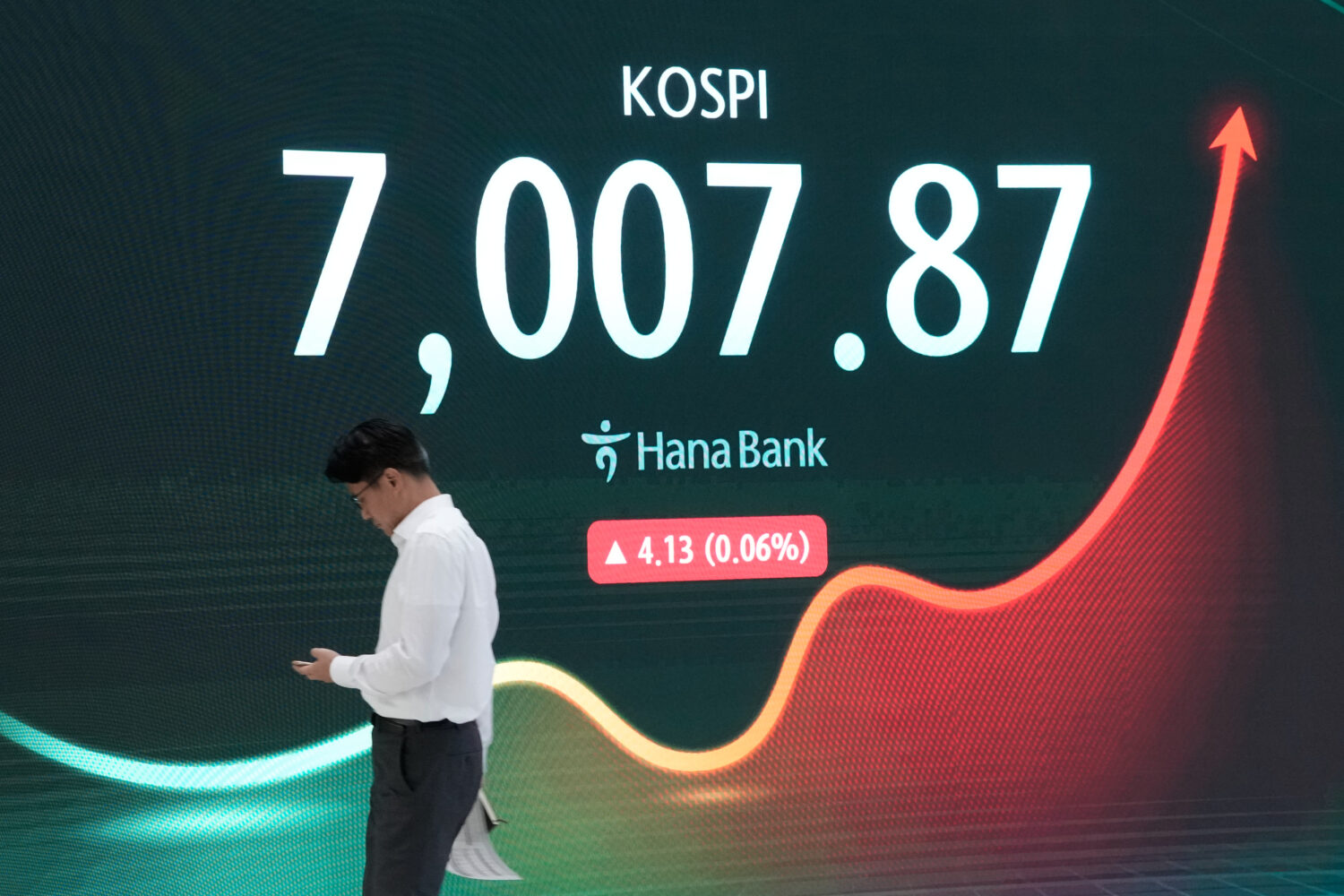
There is a growing sentiment of a “reassessing” period where many intend to take the fight political. Despite the Hong Kong economy officially being in a recession, those same investors showed their pan-dem support with the Hong Kong Stock Exchange rising 1.5 percent on Monday morning. Saikyo Sakura, a Japanese Wealth Management Company, stated corporations at large are reacting positively to the pan-dem landslide victory.
On the streets, the aim is to keep protests peaceful as the coming weeks hold musical sit-ins, daily lunch events, and a turn toward putting pressure on achieving an independent police-review board in the next six months.
Social activist and former LegCo member Lee Cheuk-Yan stated that he wants to internationalize Hong Kong’s fight. He has already visited the United States – where the Hong Kong Human Rights and Democracy Act recently passed the Senate – France, and Brussels. Several universities across the world have started to adamantly show support for the democracy movement.
This fight, however, comes as Chinese patriots are becoming more active in disrupting foreign activities, citing arguments breaking out at Universities, a Chinese student who was threatened to be beaten to death after standing with Hong Kong at Edinburgh University, and espionage efforts have thrived with cases in Taiwan, the United States, France, and Australia.
The fight forward will not be easy, and Mr. Lee, among many in Hong Kong and those on the front line recognize their need to be insistent. Yet, Mr. Lee remains optimistic for the future due to the new base among the district council and what that means for Hong Kong’s local future.
Spady: Wake up, America — China is our real enemy
Although LegCo elections are a year out, and universal suffrage does not exist for these elections, there is a sense a turning point has been achieved; one many never saw coming due to fear or willful dissolution.
The Hong Kong protests will continue for the next year, and possibly, long afterwards. The streets will still be filled, lunch times will be spent singing, and people will double down on their demands. Police action in the coming weeks will, per sources, determine the reaction from more radical front-line members.
Much of this depends on how Poly U is de-escalated in the coming days. For now, the protest movement has been legitimized as something more than a mere protest – it is a demand for full governmental reform, accountability, Carrie Lam’s resignation, and a stronger Hong Kong in the future.
The message throws an unexpected hitch into Beijing’s plan, and with investors showing support of the pan-dem victory, only time will tell how far the small cracks widens for the CCP in mainland China.
You can follow Alexander Haynes’ reporting from the streets of Hong Kong on Twitter, @ACLHaynes – make sure to listen to The Saul Spady show every morning from 6-9 a.m. on 770 KTTH for these types of stories and more.