City preparing to relocate RVs from Seattle’s Interbay neighborhood
Jun 4, 2016, 7:44 AM
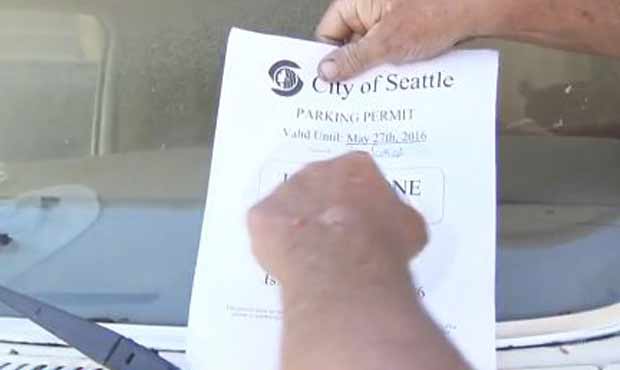
People living in RVs in the Interbay safe lot have about a week before they have to move. (KIRO 7)
(KIRO 7)
The 25 recreational vehicles temporarily parked in the Interbay neighborhood off of 15th Avenue will be there about another week, as the City of Seattle does not have the alternate SoDo location ready for them yet.
The RV residents originally received 30-day permits to park in what the city deemed a “safe zone,” though the permits continued to be extended, in the city’s efforts to be flexible and work with those families. Now a construction crew is ready to move the road to prepare for new development, prompting the city to finalize an alternate location for the RVs.
The new location, along 2nd Avenue South, may not be ready until June 10.
Related: RV safe lot bigger disaster than previously thought, Rantz says
“It already had a number of vehicles: semitrucks and some other things. So [Finance and Administrative Services] is working with some other folks to move those,” said Sola Plumacher, the strategic adviser for Seattle Human Services.
KIRO 7 saw a city employee putting up no-parking signs on Friday at the SoDo lot, in attempts to move the current vehicles from the area.
The lot also still requires a permit for this use, as well as a jersey barrier between the lot and the train tracks.
The new lot, however, only allows for 15 RV spots, instead of 25.
“We do not want to break up our community. Took us a long time to get this community together,” said one resident named Robz. “No drug problems, no alcohol problems, no problems. If we can keep it that way, that’s my goal.”
Robz said if there isn’t another solution to move them together, they may have to commit an act of civil disobedience and not move at all.
“I don’t have anything to lose. I’ve already lost everything I had. What are you going to take from me now? I have a cat, and an RV that don’t run,” he said.
Like any other safe zone, the new lot would require each person to go through a criminal background check by Seattle police and require each household to work with a case manager to get into permanent housing.
Bill Kaczmarek, the owner of Seattle Textile Co., said he’s not comfortable with this arrangement right in front of his business.
“We found out Wednesday afternoon with a call from the city that they were going to clean up the other side of the street, finally. And they were thinking about perhaps putting an RV camp here,” Kaczmarek said.
Then he saw an employee putting signs up on Friday, not knowing the decision was already made.
“My biggest concern is primarily the safety for our employees,” he said.
He said he felt there would be people with mental health issues, or drug-related issues, just steps from where his employees and customers come and go.
The Human Services Department said security officers would go by each safe zone in the evenings to make sure everything was OK.