How will an Uber driverless car handle Seattle’s polite drivers?
Sep 14, 2016, 1:56 PM | Updated: 2:25 pm
The Uber driverless car has hit the road in Pittsburgh, but how will it handle the driving quirks of each region they enter?
Pittsburgh is the first city to test Uber’s autonomous driving experience, with an engineer and backup driver ready to take over in case something goes wrong. The Wall Street Journal reported that Uber is inviting up to 1,000 Pittsburgh customers to experience the first real-world test of the robotic-cab.
It just adds to the prediction of analyst Tony Seba who told Seattle there will be no need for parking within 15 years — people will ride in driverless cars.
10 reasons we know you’re a Seattle driver
But it’s not as simple as programming the rules of the road. KIRO Radio’s John Curley, who lived in Pittsburgh, says the problem is that each Uber driverless car will somehow need to be adjusted for each city’s culture and societal driving style.
“You can have the rules of the road, but then there are the ones that people tend to ignore — the ones people tend to shift a little bit,” Curley said.
Or the ones that are created, like the “Pittsburgh left.” While the general rule is that anyone turning left has to wait for the oncoming traffic, in Pittsburgh, before everyone starts through the intersection, they allow the first car to take a courtesy left. Uber has programmed its cars to allow others to make a “Pittsburgh left” turn but won’t do so itself, according to the Journal.
Curley noted there are plenty of other rules in Pittsburgh, too.
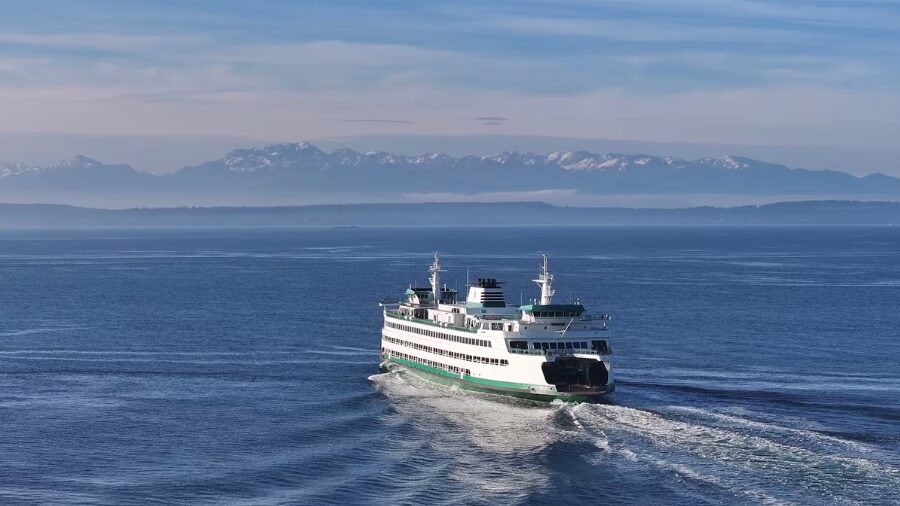
Uber driverless car and Seattle
Of course, while Pennsylvanian drivers have their own habits, the driverless cars would also need to adjust to this classically Seattle moment.
What would the car do in that regard? Normally the first person into the intersection goes and then the next person to the right, and so on. The ultra-polite – i.e. bad – Seattle drivers might sit at the intersection endlessly.
“Unfortunately, in Seattle, you can sometimes have a tie where both people arrive at the stop sign at the same time and you have the constant ‘no you go,’ and they’re waving back and forth,” Curley said. “Then all of a sudden everybody goes at the same time.”
“I would think the default would be to not want to be in the accident, so they would rather be the patient one so if they feel like they miscalculated and feel they tied, then they would rather be cautious and let the other person go,” co-host Tom Tangney said. “But I assume they could calibrate who arrived first. That doesn’t mean everyone is going to be paying attention or be fair, but that’s the way it is with real drivers, too.”
Besides the chess match at four-way stops, Uber driverless cars would also not likely bend the rules by sneaking out when turning onto congested streets like Denny or Mercer, which both block the intersections and make slight progress for the backups during rush hour.
Both Tom and Curley said they’d be willing to ride in an Uber driverless car right now – but not on the highway, only in the city.
“If they go the speed limit, that’s only like 10 mph in Seattle, based on Tuesday’s press conference,” Tom said. “You’d barely notice an accident. Just a bump in the road.”
Follow @http://twitter.com/Mynorthwest

-
 Tune in to KIRO Newsradio weekdays at 3pm for The John Curley Show.