States pour taxpayer dollars into college sports as athlete pay, soaring costs squeeze budgets
Aug 20, 2026, 3:01 AM
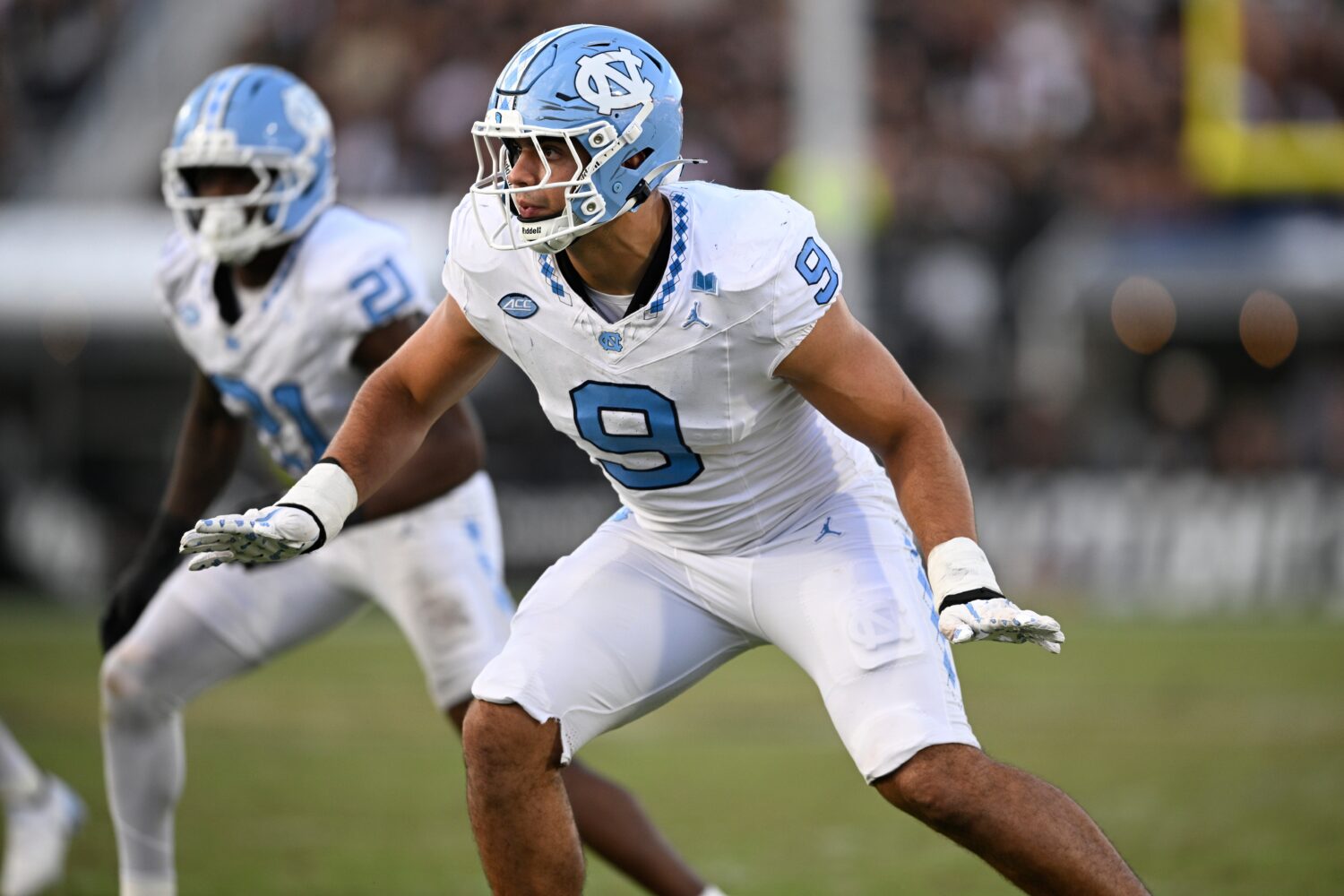
FILE - North Carolina defensive lineman Melkart Abou-Jaoude (9) follows a play against Central Florida during the second half of an NCAA football game, Sept. 20, 2025, in Orlando, Fla. (AP Photo/Phelan M. Ebenhack, File)
Credit: AP Photo/Phelan M. Ebenhack
(AP Photo/Phelan M. Ebenhack, File)

Win or lose, the North Carolina Tar Heels already will be in elite company when they kick off the college football season against Texas Christian University in a game played in Dublin. They will be among a small but growing number of athletic programs receiving taxpayer funding from their home states.
With universities competing to pay athletes millions of dollars, some states now are propping up their strained sports budgets in ways not previously seen. The state dollars aren’t going directly to star athletes. But by funding facilities and administrative costs normally borne by the schools, states are freeing universities to use their own dollars for other purposes.
The athletics program at the University of North Carolina at Chapel Hill, for the first time, is receiving $3 million earmarked from state sports betting taxes. Wisconsin lawmakers approved $15 million for athletic costs at the University of Wisconsin. And Connecticut and Louisiana also are using tax dollars to support college athletics. Even more states have considered it.
Sports business analysts see an emerging trend.
“Once one state provides that kind of assistance, schools in competing states can argue that they are being placed at a competitive disadvantage, which could create additional pressure on legislatures to respond,” said Daniel McIntosh, faculty director of the sports business program at Arizona State University.
NCAA rules long barred college athletes from getting paid by schools and boosters. But under pressure from lawsuits and states, the NCAA cleared the way in 2021 for athletes to receive money from private entities for the use of their name, image or likeness (NIL). Then a legal settlement last year allowed higher education institutions to directly pay athletes a total of about $20.5 million annually — on top of any scholarships and other NIL deals they receive.
That cap rose to $21.3 million for this school year, and is set to rise again the following year.
Many mid-level programs cannot afford that much. But almost all NCAA Division I athletic programs are trying to generate more money to pay athletes in a bid to remain competitive with their peers. At the same time, schools have been incurring greater costs for facilities, coaches’ salaries and travel amid conference realignments that discarded old geographic-based rivalries.
Over the past four years, athletic operating expenses at public Division I institutions shot up by nearly a third — notably outpacing revenue and running up deficits, according to an Associated Press analysis using the Knight-Newhouse College Athletics Database.
The Protect College Sports Act, pending in the U.S. Senate, has been promoted as a way to put guardrails on college sports spending. But it could potentially allow even greater spending by schools.
The latest version would allow institutions to pay up to an additional $27.5 million annually to retain players on their rosters, pushing the overall athlete payment cap close to $50 million. The higher ceiling could reduce the demand for third-party NIL deals.
But the legislation contains no provision restraining increases in state and institutional funding for athletics, said Amy Privette Perko, CEO of the Knight Commission on Intercollegiate Athletics.
“Without some restraint on the underlying spending competition, additional public funding could simply finance the next stage of the arms race,” McIntosh said.
When North Carolina launched online sports wagering in 2024, it earmarked part of the tax revenue for athletic departments at 13 public universities. But the two largest institutions — the University of North Carolina at Chapel Hill and North Carolina State University — were excluded.
That changed in July under a new state budget that raises the sports betting tax. Those two schools now are projected to receive $3 million each this year and $5.8 million next year.
In the meantime, Louisiana also hiked its sports wagering tax and earmarked about $2.2 million to each of its 11 public universities in conferences with Division I football programs.
Seeking to drum up athletic revenue, Connecticut lawmakers authorized the University of Connecticut to issue vouchers for state tax credits equal to half the amount of donations, sponsorships and licensing endorsements. The program generated $1.7 million in its first four months, according to a university report.
New Jersey’s new budget allots $5 million for “events attraction and marketing” at Rutgers’ flagship campus. A university spokesperson declined to say if the money would be used for athletic programs.
Though not providing new state money, the governing board for Florida’s universities last year authorized institutions to transfer up to $22.5 million to athletics. Florida State University did so almost immediately, and other schools have since followed.
The Wisconsin budget provides $14.6 million for athletic facility debt payments at the University of Wisconsin-Madison and $200,000 each for the Milwaukee and Green Bay campuses.
“None of that state funds technically would go toward student athletes,” said Republican state Rep. Alex Dallman, who sponsored the legislation.
But with the state covering facility debt, the university could use its own funds “for other things, such as NIL, or just trying to compete,” said Dallman, who typically attends a couple Wisconsin football games each year.
“Having a bad football team, having uncompetitive college sports in general, would not be beneficial to our state, both culturally or economically,” Dallman said. “So we decided as a state we’d help out.”