How trading wild turkeys for other animals became a conservation success story
Nov 27, 2025, 4:21 AM
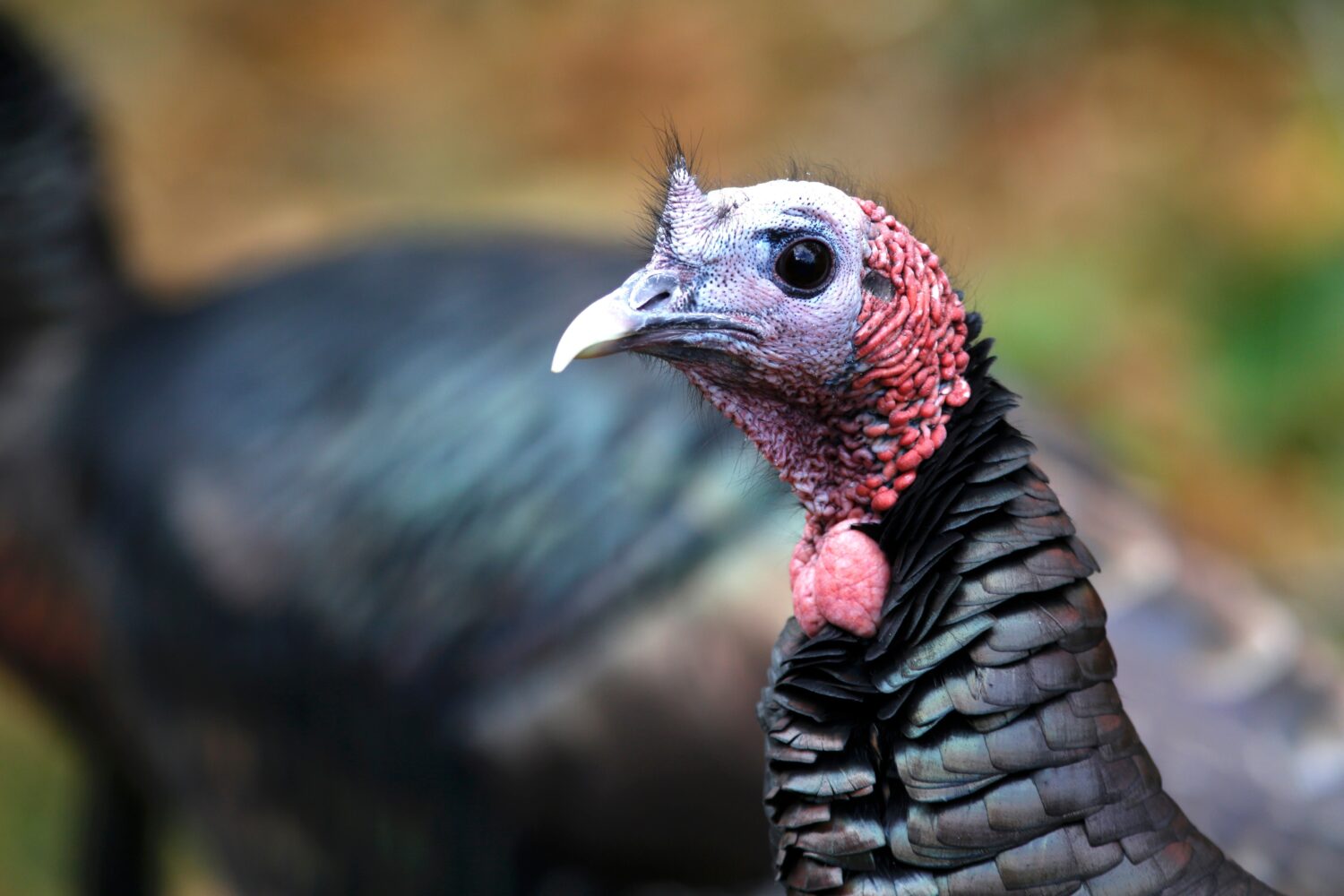
A wild turkey walks through a neighborhood in Portsmouth, N.H., Nov. 14, 2025. (AP Photo/Caleb Jones)
Credit: ASSOCIATED PRESS
(AP Photo/Caleb Jones)

CONCORD, N.H. (AP) — No one wants a weasel on their Thanksgiving table, but swapping turkeys for other animals was once surprisingly common.
Trading turkeys – for wildlife management, not dinner – was a key part of one of North America’s biggest conservation success stories. After dwindling to a few thousand birds in the late 1880s, the wild turkey population has grown to about 7 million birds in 49 states, plus more in Canada and Mexico, according to the National Wild Turkey Federation.
In many cases, restoration relied on trades. The exchange rates varied, but Oklahoma once swapped walleye and prairie chickens for turkeys from Arkansas and Missouri. Colorado traded mountain goats for turkeys from Idaho. The Canadian province of Ontario ended up with 274 turkeys from New York, New Jersey, Vermont, Michigan, Missouri and Iowa in exchange for moose, river otters, and partridge.
“Wildlife biologists don’t suffer from a lack of creativity,” said Patt Dorsey, director of conservation for the National Wild Turkey Federation’s western region.
West Virginia in particular appears to have had an abundance of turkeys to share. In 1969, it sent 26 turkeys to New Hampshire in exchange for 25 fishers, a member of the weasel family once prized for its pelt. Later trades involved otters and bobwhite quail.
“They were like our currency for all our wildlife that we restored,” said Holly Morris, furbearer and small game project leader at the West Virginia Division of Natural Resources. “It’s just a way to help out other agencies. We’re all in the same mission.”
Wild turkeys were abundant across the U.S. until the mid-1800s, when the clearing of forestland and unregulated hunting led the population to plummet. Early restoration efforts in the 1940s and 50s involved raising turkeys on farms, but that didn’t work well, Dorsey said.
“Turkeys that had been raised in a pen didn’t do very well in the wild,” she said. “That’s when we started capturing them out of the wild and moving them around to other places to restore their population, and they really took off.”
In New Hampshire, wild turkeys hadn’t been seen for more than 100 years when the state got the West Virginia flock. Though those birds quickly succumbed to a harsh winter, another flock sent from New York in 1975 fared better. With careful management that included moving birds around the state dozens of times over the ensuing decades, the population has grown to roughly 40,000 birds, said Dan Ellingwood, a biologist with the New Hampshire Fish and Game Department. That’s likely well beyond the expectations at the time of reintroduction, he said.
“Turkeys are incredibly adaptive,” he said. “Winter severity has changed, the landscape has changed, and yet the population really took off.”
Turkeys play an important role in a healthy ecosystem as both predator and prey, he said, and are a popular draw for hunters. But the restoration effort also is important just for the sake of ensuring native species continue to persist, he said.
Dorsey, at the National Wild Turkey Federation agreed, noting that turkey restoration projects also helped states revive their populations of other species.
“A lot of good work gets done on the back of the wild turkey,” she said.