Former WA Attorney General: Albertsons pharmacies ‘caught between a rock and a hard place’ in opioid trial
Jul 15, 2026, 10:49 AM | Updated: 3:26 pm
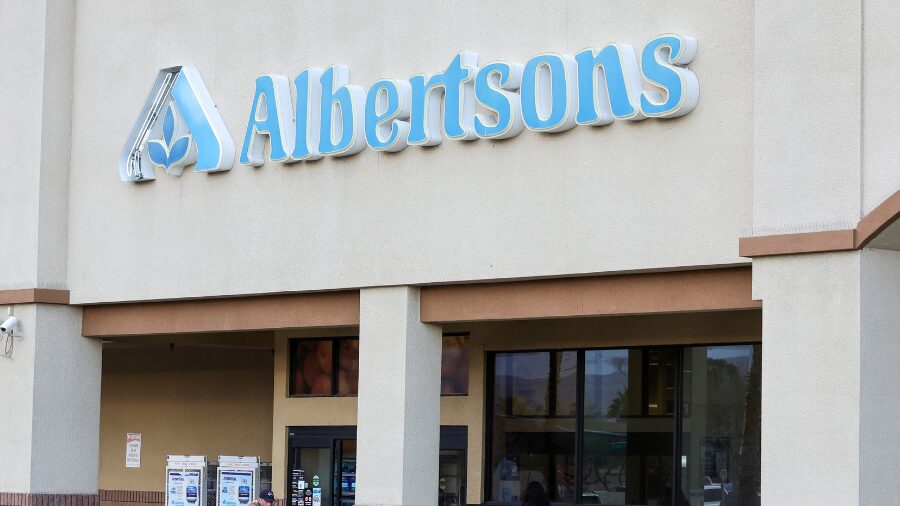
A worker returns shopping carts at an Albertsons grocery store. (Photo: Ethan Miller, Getty Images)
(Photo: Ethan Miller, Getty Images)

Washington opened its case Monday against grocery giant Albertsons in a trial that could force the company to pay tens of millions of dollars or more for allegedly fueling the opioid epidemic by filling millions of red-flagged prescriptions at its pharmacies across the state.
The trial is expected to last into September. Attorney General Nick Brown alleged Albertsons dispensed more than 641 million opioid pills in Washington between 2006 and 2022, filling more than 6.5 million prescriptions that carried red flags suggesting potential misuse or diversion into the illegal drug market.
Washington opted out of Albertsons’ $774 million nationwide opioid settlement announced in April, choosing instead to pursue its own case in state court.
Former Washington Attorney General Rob McKenna said the trial carries significant financial consequences for the state’s drug recovery efforts.
“At stake is potentially tens of millions of dollars for the state of Washington that it might recover from Albertsons over its claim that Albertsons stores, which would include Safeways now, dispensed hundreds of thousands, maybe even millions of pills, powerful opioids, even where there were red flags suggesting that they shouldn’t,” McKenna told “Seattle’s Morning News.”
The case is part of a broader wave of litigation against pharmacy retailers, drug manufacturers, and distributors that has collectively resulted in billions of dollars in settlements and judgments nationwide. Kroger agreed in 2024 to pay Washington $47.5 million to settle similar claims. Purdue Pharma and other manufacturers and distributors have also faced major legal action.
Albertsons has argued that its pharmacies were caught between competing obligations. The company contends pharmacists cannot fill prescriptions without a doctor’s authorization and can face professional consequences for refusing to fill valid prescriptions.
RELATED STORIES

McKenna said the defense raises legitimate tensions
“There have been instances where pharmacists have been threatened with the loss of their licenses for refusing to fill prescriptions that were signed by physicians,” McKenna said. “So they feel like they’re caught between a rock and a hard place in that regard.”
But McKenna noted that some physicians operated so-called pill mills, signing off on massive volumes of opioid prescriptions. He said the state’s case points to examples of individuals who picked up prescriptions from doctors who “signed for hundreds of thousands of pills.”
McKenna, who spent years enforcing the landmark 1998 Tobacco Master Settlement Agreement during his tenure as attorney general, drew parallels between the opioid litigation and the earlier tobacco cases brought by state attorneys general, including his predecessor, former Gov. Chris Gregoire. But he noted the legal theories differ.
“In the case of the manufacturers, Purdue Pharma, they were actively promoting the increase in use of opioids against evidence that they were highly addictive and should have been more carefully controlled,” McKenna said.
He said Albertsons may have lacked adequate resources to investigate every red flag, noting that pharmacies “operate on relatively thin margins” with “limited teams to chase down every red flag.”
McKenna predicted the case could still settle before a verdict is reached.
“Normally in litigation, even after a trial starts, you’ll see a settlement before the end of trial,” McKenna said. “I wouldn’t be surprised if ultimately Albertsons chose to settle.”
The state has already recovered more than $1.3 billion from opioid-related settlements with other companies, including Walmart, Walgreens, and CVS.
Manda Factor is the host of “Seattle’s Morning News” on KIRO Newsradio. Follow Manda on X and email her here.