Bears killed after attack near Index raise questions about Washington wildlife policy
Oct 28, 2026, 5:16 PM
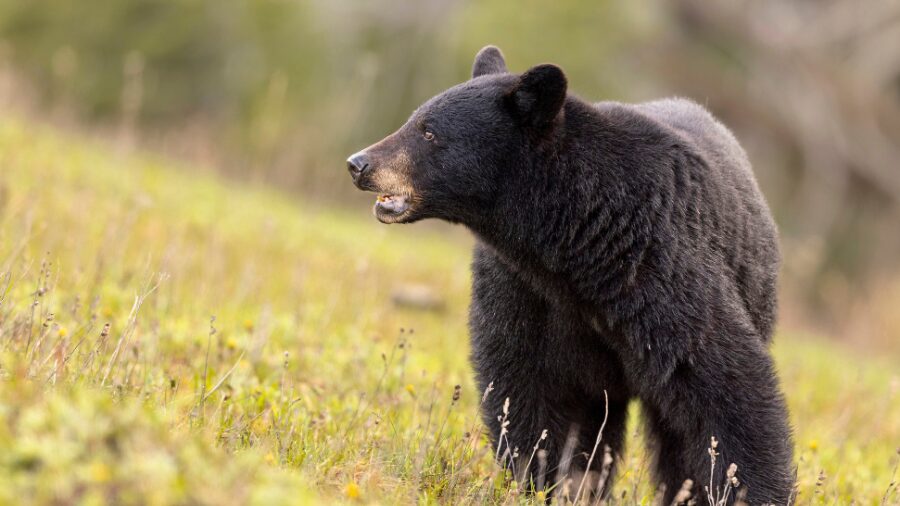
A black bear stands in a meadow. (Photo: wirestock via Envato)
(Photo: wirestock via Envato)
The decision to kill a mother black bear and a cub after a woman was seriously injured in an attack near Index raises a difficult question: How should wildlife officials balance preventing another attack with the consequences of killing two animals — especially when state law and the agency’s stated policy appear to differ?
The Washington Department of Fish and Wildlife (WDFW) said its policy is to lethally remove bears involved in attacks on people. But the state regulation governing the killing of wildlife for personal safety does not explicitly require that every bear involved in an attack be killed.
The distinction matters in the Snohomish County case, where wildlife officers said they killed an adult bear and a juvenile bear after finding them near garbage two days after the attack.
What Washington law and WDFW policy say
Washington Administrative Code 220-440-050 states it is “permissible to kill wild animals engaged in the physical act of attacking a person.” It also allows killing game animals that pose an immediate threat of physical harm.
The regulation establishes when killing wildlife for personal safety is permitted. It does not expressly state that wildlife officials must kill every bear that has attacked a person.
WDFW, however, stated in a department-published article explaining why bears involved in conflicts are not always relocated: “State policy dictates that we lethally remove bears that are involved in attacks.”
The article does not cite a specific statute or administrative rule requiring lethal removal in every case.
Woman seriously injured in backyard attack
WDFW said the attack happened about 7:50 a.m. Sunday, Oct. 25, as the woman walked her leashed dog in her backyard in Index.
An adult female bear attacked her from behind, knocking her to the ground and biting and clawing at her, according to the department. The woman managed to get inside her home and call for help.
Medics took her to a local hospital, where she stayed overnight for treatment of serious but non-life-threatening injuries. She was released Tuesday, Oct. 27.
Two bears found near garbage and killed
Wildlife officers and Snohomish County deputies searched for the bear Sunday after receiving reports of two bears in the area, including a large adult and a younger bear that may have been a mother and cub. Officers initially could not locate the animals and set a trap.
On Tuesday, wildlife officers received a report of an adult bear and a juvenile bear in a tree behind a local business in Index. About 20 minutes earlier, someone had reported bears digging through garbage cans at a nearby residence.
Officers and wildlife conflict specialists found the bears with trash directly beneath the tree. WDFW said officers killed both animals and that the bears would undergo disease testing.
The publicly available account does not establish whether officials positively identified either bear as the animal that attacked the woman. WDFW’s explanation of the decision to kill both bears, including whether relocation was considered, is central to understanding how the agency applied its policy in this case.
“Decisions to lethally remove wildlife are never easy and are typically made through close coordination between WDFW biologists, wildlife conflict specialists, law enforcement officers, and other experts,” WDFW officials said in their article. “Unfortunately, once bears know about a non-natural food source or are fed by humans, they may keep coming back to that place. These bears can lose their fear of people, creating a threat of injury to humans.”
Why wildlife officials say relocation may not work
WDFW said bears that learn to associate people with food can lose their fear of humans and repeatedly return to familiar food sources. Relocating an adult bear that has become accustomed to human-provided food is often unsuccessful, even over long distances, according to the department.
The agency said younger bears involved in some conflicts may be captured and relocated. It also uses deterrence methods, including trained Karelian bear dogs, to discourage bears from approaching people.
Wildlife officials urge residents to secure garbage cans and remove other potential attractants, including pet food, bird feeders, and barbecue grills. Bears are particularly active in the fall as they seek food before winter.
RELATED STORIES
Different viewpoints on relocating bears in conflict
A 2015 study published in Wildlife Society Bulletin examined black bears relocated after conflicts with people in Colorado. Researchers, including those with Colorado Parks and Wildlife, estimated relocation success at 64% for adult bears and 58% for younger bears.
The researchers concluded that relocation had mixed results but “should remain a viable management option,” depending on the bear’s characteristics and the availability of a suitable release site. However, the report did not specifically speak to bears that caused serious injuries.
A 2026 study published in The Journal of Wildlife Management examined 50 black bears relocated after conflicts in Great Smoky Mountains National Park and discovered significant challenges. Researchers estimated a 39% annual probability of recurring conflict and a 62% annual probability that adult bears would return toward their original capture area.
These studies and others like them examined bears involved in human conflicts, not exclusively bears that had physically attacked and seriously injured people.
What to do if you encounter a black bear
WDFW recommends staying calm if a bear approaches. Stand upright, wave your arms and speak in a low voice, then back away slowly while avoiding direct eye contact.
Do not run. Officials also recommend making noise while hiking, keeping pets leashed, and carrying readily accessible bear spray when recreating outdoors.
Follow Luke Duecy on X. Read more of his stories here. Submit news tips here.