Experts warn of bee colony decline, economic impacts
Sep 29, 2026, 11:26 AM
(Photo courtesy of KIRO 7)
(Photo courtesy of KIRO 7)
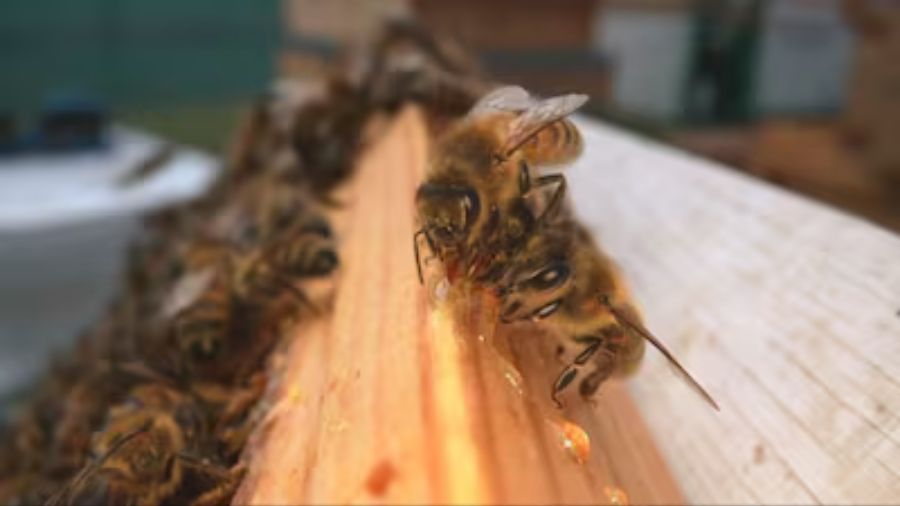
Experts said the number of bee colony deaths in the U.S. is about 20% lower than last year; however, each year poses new challenges for beekeepers, and commercial beekeepers have been hit hard over the last few years.
According to preliminary results from the Apiary Inspectors of America (2025-2026 US Beekeeping Survey: Honey Bee Colony Loss and Management), while annual losses were lower than those recorded during the previous two years, they still remained high, with American beekeeping operations losing approximately 40% of their colonies on average.
“Normally, they have losses, and they predict that they’re gonna come through winter and have some losses, and then they’ll rebuild,” Danielle Downey, Executive Director at Project Apis m, said. “There’s a certain pattern, and in 2025 things did not follow that pattern, and it turns out they were seeing the largest losses that we’ve ever recorded.”
According to their website, Project Apis m. (PAm) is dedicated to supporting honey bee health and pollination security through practical, science-based solutions. Founded in 2006 as a collaboration between commercial beekeepers and almond growers, PAm works closely with scientists, industry leaders, and agricultural stakeholders in the U.S. and Canada.
“The panic that beekeepers had at that time of year wasn’t repeated. Beekeepers every year are on a very fine line of making ends meet; even if you’re not losing 60%, losing 40% of your bees is still a huge hit,” Downey added. “If there’s a shortage of bees, the growers don’t get the bees that they need to produce the crop, and then the consumer would see that in less crop, lower quality crop, more expensive crop, because there’s just not as much.”
“I would just urge all beekeepers out there to do the mite treatments you have to do, pay attention to the weather, and learn how to get your hives through the winter,” Jim Coleman with Kitsap Beekeeping said.
So, why are we seeing this? Experts said it’s not entirely clear.
Washington State University (WSU) scientists believe it’s a combination of “Four P’s”: pests, poor nutrition, pesticides, and pathogens.
Besides getting through the winter, another obstacle is the cost to transport bees to California now that diesel prices are at a record high.
Experts said if you want to make a difference, you can start your own hive or plant pollinating flowers in your yard.