City attorney: More pot stores needed to meet demand
Dec 4, 2013, 4:07 PM | Updated: 6:17 pm
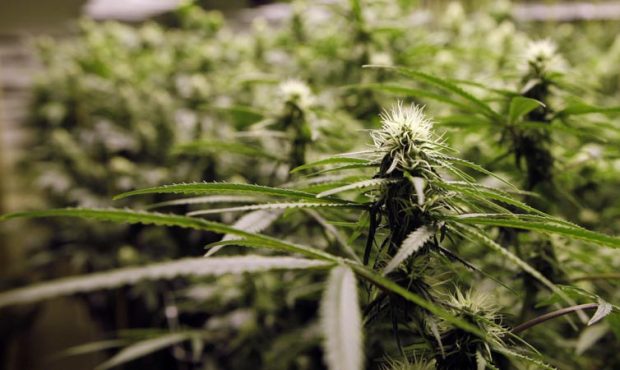
Seattle's City Attorney Pete Holmes is asking state rule makers to issue more licenses and loosen restrictions on pot stores to meet demand. (AP file)
(AP file)

Seattle City Attorney Pete Holmes Wednesday outlined several proposed rule changes that would dramatically impact the sale of pot under Initiative 502, which legalized recreational use of marijuana in Washington state.
In a letter to the Washington State Liquor Control Board, Holmes asked that the board not only loosen restrictions on where stores can be located, but increase the number of licenses that are given to those who wish to operate stores within Seattle city limits.
“I think it is critically important that we balance the need to diminish youth access and impaired driving, along with the desire – the equality important goal, I believe – of displacing the illicit market,” Holmes told reporters at a press conference Wednesday afternoon.
Holmes has asked that the board reconsider how it applies language in I-502 that prohibits it from issuing pot licenses to stores “within one thousand feet of the perimeter of the grounds of an elementary or secondary school, playground, recreation center or facility, child care center, public park, public transit center, or library, or any game arcade admission to which is not restricted to persons aged twenty-one years or older.”
Currently, the board has chosen to measure the 1,000-foot distance “as the crow flies,” or the shortest distance between two points. According to Holmes, that method of measurement excludes more stores than would the federal Drug Free Schools Act.
Holmes has proposed that, with the exception of a store’s distance from schools and playgrounds, the board use a “common path of travel” method, which would measure the store’s distance from a library, for example, using common routes such as sidewalks and streets.
Holmes said in a densely populated city such as Seattle, the “as the crow flies” method of measurement would “severely constrain the locations available for licensed dispensaries.”
Also on Wednesday, Holmes asked that the board increase the number of licenses that will be granted in Seattle from 21 to 50, citing concerns that there will not be enough stores to meet demand.
“If we don’t have the capacity to satisfy recreational demand, I think that it will stymie I-502’s success,” Holmes said.
Holmes also proposed that the board give preference to existing medical marijuana dispensaries that apply for a license and meet requirements of the initiative.
The deadline to apply for a state-issued license to sell marijuana is December 19.