‘Community member’ term for suspects on Seattle police use-of-force reports
May 10, 2017, 9:02 AM | Updated: 9:53 pm
By Casey McNerthney and Amy Clancy, KIRO 7
When Seattle police officers write use-of-force reports they no longer call a suspect a suspect.
“Community member” is the new term. Several officers say the term is offensive, explaining their work with violent suspects.
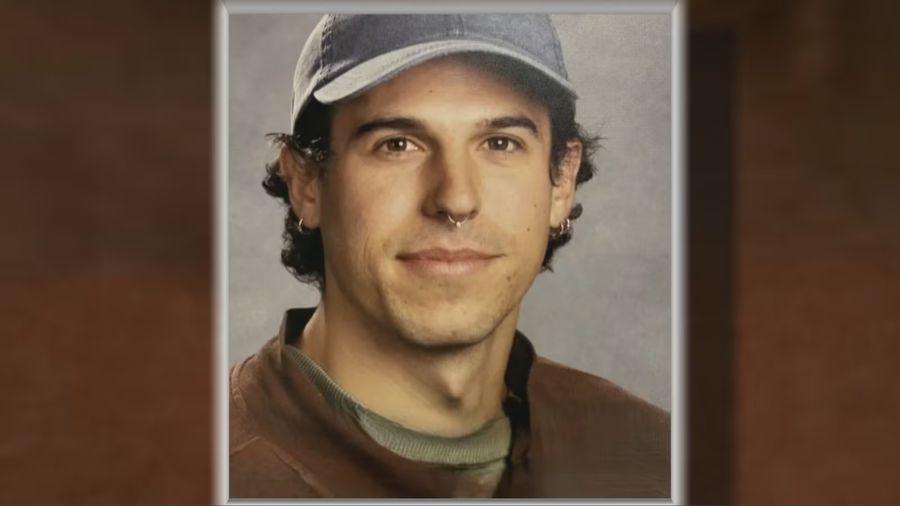
Sources point to the suspect who shot three officers last month after a downtown Seattle armed robbery. When officers involved in that incident were writing their use-of-force reports they were required to refer to the shooter, Damarius Butts, as a “community member,” not a suspect, police sources said.
Police fatally shot Butts after they said he shot the officers.
“I think this is all in an effort to make sure our report writing sounds politically correct,” Seattle Police Officers’ Guild Kevin Stuckey told KIRO 7.
The online use-of-force reporting system, called Blue Team, is used for more than just use-of-force reports. It also tracks the department’s administrative investigations and the Early Intervention System among other reports. A photo sent to KIRO 7 shows the Blue Team in a recent online department training.
Professor: We’re addressing police-involved shootings at the wrong time
The “community member” terminology changed for multiple forms – but it’s only in the use-of-force reports that officers find offensive.
“The change appears to be part of a routine update by the software developer, which services more than 600 law enforcement agencies worldwide,” department spokesman Jonah Spangenthal-Lee said. “The department’s force review section has not received any inquiries about the change.”
Changes after DOJ oversight
Department policy restricts officers and other department members from speaking to reporters without a supervisor’s approval, so multiple officers spoke to KIRO 7 to provide background. Kevin Stuckey, the Seattle Police Officers’ Guild president who can speak publicly, said he believes the term “community member” is too vague.
“I don’t think you should have a broad stroke like that and call everybody the same thing,” he said. “I don’t think there’s anything wrong with calling someone who is a victim a victim, or calling someone who’s a suspect a suspect.”
Seattle Police Chief Operating Officer Brian Maxey said the changes are purely for accuracy. Labeling someone a suspect can sometimes be misleading if they are not suspected of anything.
At least through 2010, use-of-force forms used the terms suspect and subject. Blue Team was adopted after Department of Justice oversight of the department and the term “citizen” was coined for use-of-force reports. Now, the acceptable term is “community member.”
“Similarly, we don’t know or inquire about citizenship status, so labeling someone a citizen is arbitrary,” Maxey said in an email.
“Neither term is confusing at all.”
So when do police use force on a suspect who is not suspected of violating a law?
“Doing a building search or responding to an alarm with guns drawn is an example, department spokesman Sean Whitcomb wrote in an e-mail.
“We might contact individuals who are not suspects, but rather subjects. Approaching someone at gun point is Type 1 force, and must be reported.”
Whitcomb and others didn’t specify how long someone at gunpoint has been a reportable use of force or when Type 1 use of force designations were first used.
Officers told KIRO 7 that Type 1 use of force designations came with the Department of Justice oversight, and pointing a gun at a person in such a scenario did not previously require a use-of-force report.
Department of Corrections made similar change
Changes in terminology are nothing new in Washington, and Whitcomb said “the words are synonymous and commonly used throughout the law enforcement profession.”
Last fall, the Washington Department of Corrections stopped calling inmates “offenders” and instead use the term “student.”
“The term ‘offender’ does have a negative connotation and significantly impacts a broad group of people and communities,” Acting DOC Secretary Dick Morgan wrote in an internal department memo, obtained by KIRO 7.
“Times change, and so does our language.”
However, that means Gary Ridgway — the most prolific American serial killer who said he has at least 71 victims — is no longer called an inmate or an offender. Neither are other murderers, rapists and felons.
The phase-out of the word “offender” started Nov. 1 and replaced with “individuals,” “student” or “patient,” the DOC secretary wrote to his staff. Use this link to read the full DOC memo.
“It takes time to change habits but I encourage all of you to make an effort,” Morgan wrote in the memo last fall. “Start by referring to individuals by their names (if you don’t already), practice replacing or removing the word ‘offender’ from your communication and presentation to others.”
In Seattle regarding use-of-force incidents, Stuckey, the guild president, said he plans to bring up the language concerns to command staff.
“I guess a community member could be the person who breaks into your car and breaking into your home or harms you or your child,” he said. “But who are we talking about?”