Education funding looms over lawmakers in Olympia
Jan 12, 2015, 5:07 PM | Updated: 5:08 pm

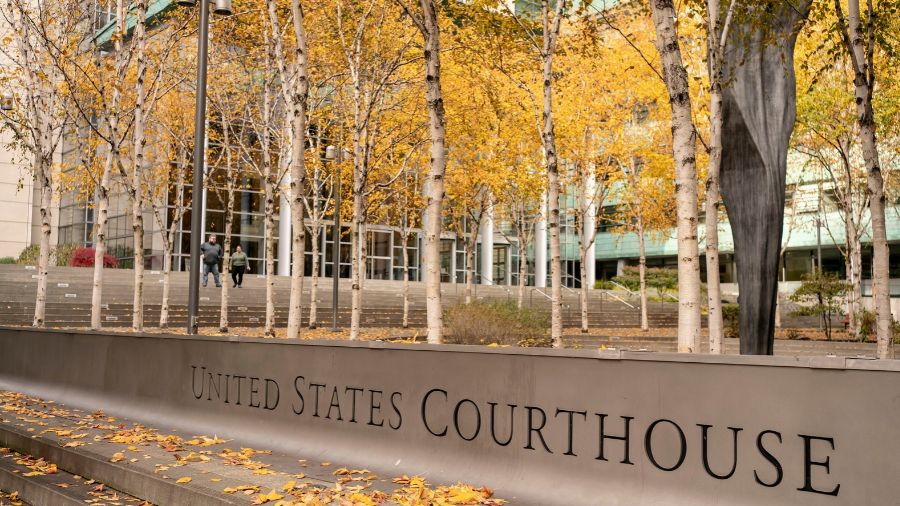
What could the court do if lawmakers finish this 105-day session without a funding model or even earnest progress in finding one for basic education? (AP photo)
(AP photo)
Lawmakers are returning to Olympia with a difficult task at hand: fully-fund basic education. It hasn’t been easy to find a source of funding, but the problem may lie in the very definition of “basic education.”
The state Supreme Court McCleary Decision in 2012 determined that the state was not fulfilling its paramount constitutional duty of funding basic education. Since that decision, lawmakers have not made significant progress on the issue and so the justices are threatening to hold the Legislature in contempt of court.
We wanted to know: What could the court do if lawmakers finish this 105-day session without a funding model or even earnest progress in finding one.
In our quest to find out, we found Seattle attorney Phil Talmadge, who has served as a state Senator and sat on the Supreme Court.
“This is really an unprecedented situation. We’ve never had really a clash between the two branches of government,” Talmadge said. “What the court did in McCleary is basically said, ‘Look, we’re going to ride hard on you folks to see that you meet the standard that we set,’ but they didn’t exactly define the precise constitutional level of ample funding that needed to be met, so it’s kind of a moving target.”
It’s up to lawmakers to hit that moving target. But, in hindsight, they might have made it more difficult on themselves to succeed. What many don’t understand, Talmadge said, is the current definition of “basic education” makes it hard to put a dollar amount on each student.
A few years back, lawmakers changed basic education from an “input model” to an “output model.”
An input model is easy to fund. You have “X” number of students who need “X” number of books, “X” number of buses to get them to school, etc. You can find a dollar amount from that equation.
“An output model is different. You look to see what you want to achieve from the educational system. The problem is how do you give a specific number to each one of those aspirational goals? ‘We want more kids to read better.’ Okay, how do you define that from a financial standpoint?” Talmadge said.
So, Talmadge said, lawmakers might, this session, want to go back and revisit the definition of “basic education.” What’s unknown is if the Supreme Court will allow the time to do that. It’s also unknown what the Supreme Court will do if lawmakers again come up empty handed on funding.
“The court really has a number of options. It has the ability to basically say that you, the individual legislators, or you, legislative leaders, are in contempt of court and we’re going to sanction you until you purge yourself of that contempt. And they can sanction them by imposing monetary fines, they can sanction them by even incarcerating them in some instances,” Talmadge said.
There’s also the option for the court to decide for us how to fund education.
“Perhaps the court might order the Legislature to appropriate money or it might simply order that the money be spent. We’ve never seen a court order that taxes be imposed or certain revenue-related activities, but there were some questions raised during oral argument on the contempt issue that some of the justices may actually be thinking of that,” Talmadge said.
There have been a few tax ideas thrown around to fund education, including a few from Governor Jay Inslee in his budget proposal. He would increase spending on education by $2.35 billion through a carbon tax and capital gains tax, among others.
State Superintendent Randy Dorn doesn’t think the governor’s budget goes far enough and has proposed his own education budget.
“What you’re talking about is that there’d be a bigger percentage of tax to wealthy people in the state and capital gains definitely hits the more wealthy people in the state, so it is a more balancing tax,” Dorn said.
What about an income tax or increased property taxes? He answered all of those questions. Listen to Dorn’s interview Tuesday on Seattle’s Morning News with Dave Ross.