Heart attack victims to be part of study without consent
Jul 26, 2012, 3:01 AM | Updated: 9:40 am

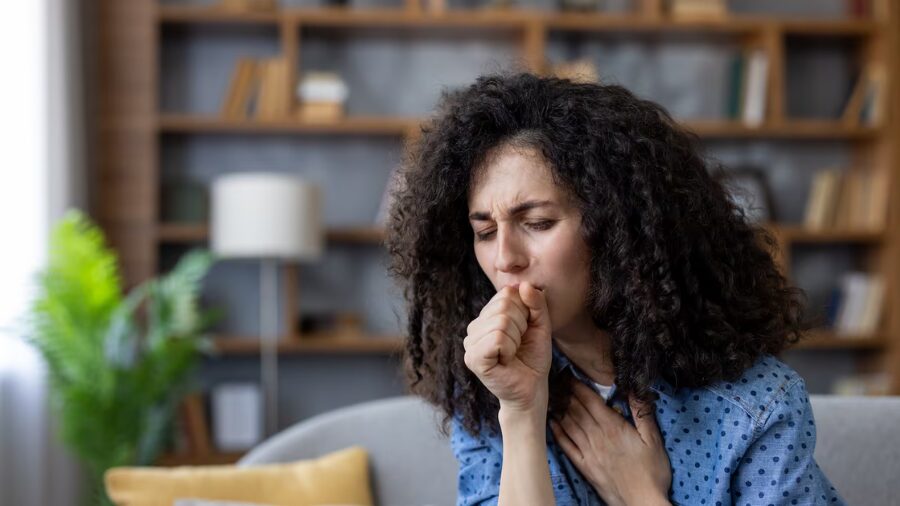
Northwest patients who suffer heart attacks will be part of a study to see if that care can be improved. But they won't be asked if they want to participate. (AP Photo/file)
(AP Photo/file)
Puget Sound is widely recognized as one of the best places
to have a heart attack. The emergency care in this region
is some of the best in the world.
But even with that, only about one out of 12 people who
suffer sudden cardiac arrest will survive.
Now, some Northwest patients who suffer heart attacks
will be part of a study to see if that care can be
improved, but they won’t be asked if they want to
participate.
If you end up in a Medic One ambulance in cardiac arrest
in King County, you are going to be a guinea pig. You
are going to be part of a nationwide study on the
effectiveness on heart rhythm drugs. The paramedics won’t
need to get your consent because of a federal rule that
allows limited studies like this without consent.
For several decades, there have been two drugs commonly
used in these cases if CPR, an electric shock or an
adrenaline shot don’t work. They are Lidocaine and
Amiodarone. It was up to paramedic or doctor preference.
The problem is no one really knows if they do any good or
if they actually make patients worse.
Doctor Peter Kudenchuk at the University of Washington,
which is running this study locally, said they have to
know.
“Do these rhythm drugs really save lives or not, and if
they don’t, boy, we’re wasting our time, we’re wasting our
money and if they, for whatever reason because of side-
effects make the outcome worse, we need to abandon them
and find something that’s better,” he said.
Here’s how it will work. Paramedics will have three
unlabeled syringes in their kits. Two will have the
drugs. The third will be a saline solution. So one of
the needles will be a blank, but they aren’t dooming a
third of patients or giving them no chance.
Dr. Muhamed
Daya at Oregon Health Sciences University, which is also
doing the study, said the saline solution has also shown
positive results in these emergencies.
“Potentially, the people we don’t give medication may have
a better outcome,” he said. “We may be actually helping
them. We don’t know those answers, and so that’s the way
you ask the question. The bias is if you believe the
drugs work.”
Dr. Daya said this study will finally give emergency
responders the best drug, if any, to save lives.
“Without this, there’s really no way to answer this
question, and we could continue doing what we’ve been
doing for a long time and not making a difference,” he
said. “What we’re trying to do is learn. Are we making a
difference with these medications, and if so which one of
them is the right medicine.”
Dr. Kudenchuk said emergency cardiac care success hasn’t
gotten any better in more than 20 years and that has to
change.
“We’re doing it the same old way,” he said. “We’re using
the same drugs with the same best intentions and there’s
been no improvement.”
The study will test the two drugs and the saline solution
on 3,000 patients over the next few years. It started in
greater King County in May and will extend into Seattle
in a few weeks. The Portland-Vancouver area has been
testing since June.
You can opt-out of the study, but you need to get a bracelet from UW that
paramedics can see when they respond.