Lawmakers must work together if state wants transportation, education funding
Jan 5, 2015, 7:12 AM | Updated: 7:25 am

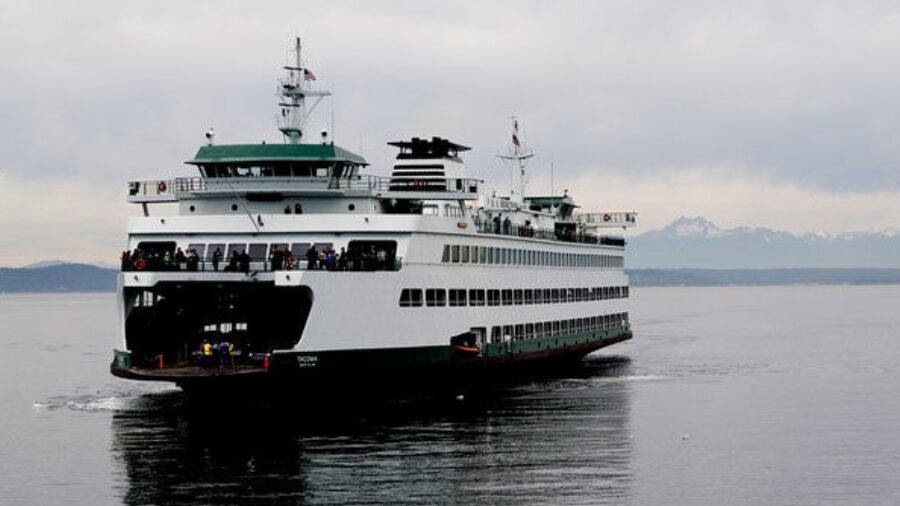
Last year, both sides came close to agreeing on an 11.5-cent gas tax increase, but the House and Senate refused to work together for a final bill. (AP Photo/File)
(AP Photo/File)
After all the holiday gatherings the last two weeks, state lawmakers will likely be ready for the bickering and arguing when the legislature reconvenes.
There are two major issues on the plate this session: education funding and transportation. But will this be the year Democrats and Republicans set aside the politics and get something done on transportation?
It’s now been 10 years since the legislature passed a comprehensive transportation funding package.
For a decade, lawmakers have spent their time arguing while much needed congestion-helping projects sit unfunded and holes grow larger in the concrete.
Republicans argued transportation can be funded without raising taxes by cutting spending in other areas.
Democrats have consistently pushed for higher or new taxes without cutting spending.
Last year, both sides came close to agreeing on an 11.5-cent gas tax increase, but the House and Senate refused to work together for a final bill.
State transportation secretary Lynn Peterson is frustrated with the lack of action. She said lawmakers can’t blow this off anymore.
“We’re looking at a significant reduction in our ability to just keep up with our existing assets, let alone being able to do new projects to allow for less delay and for increased safety,” she said.
Peterson hopes 2015 will finally be the year. “I still have faith that folks will come together and find that happy medium.”
Governor Jay Inslee wants to fund transportation with a large new carbon tax, forcing big polluters to foot the bill, though those costs will likely be pushed onto consumers. But that’s probably a non-starter in Olympia.
Some cynics believe the governor made that play so a gas tax increase wouldn’t seem so bad.
The Washington Roundtable, which represents businesses in the state, believes an increase in the gas tax is what’s needed, even if it means higher operating costs.
“While no one relishes that thought, our members conclude, despite the fact that they’ll pay substantially increased gas taxes, the costs are significantly and totally mitigated by the benefits,” said Washington Roundtable President Stephen Mullin.
According to Mullin, his members are willing to swallow anywhere from 9.5 to 12 cents a gallon, if it means getting projects done.
He believes the legislature can tackle transportation and education this session, if lawmakers finally work together.