Spike in parvo cases seen across Snohomish County
May 22, 2026, 12:26 PM
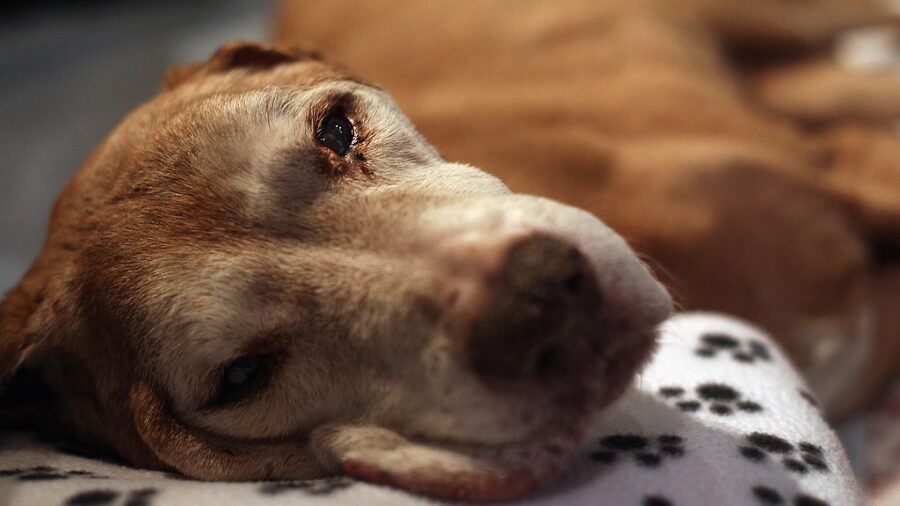
Pit bull-labrador mix Rocky lies in his owners' home. (Photo: John Moore, Getty Images)
(Photo: John Moore, Getty Images)

There has been a spike in parvo cases in dogs in Snohomish County.
Glynis Frederiksen, an animal services manager at the Everett Animal Shelter, told KIRO 7 the shelter typically sees only a handful of parvo cases, but recently, reports have spiked, and more animals are arriving sick. She urged dog owners to make sure their pets are up to date on vaccinations.
“Usually, we’ll see a couple of cases, but just hearing about all of these reports and seeing the animals that are coming in sick, gives us concern that people aren’t getting their animals vaccinated, which is really important,” Frederiksen told the media outlet.
Parvo is the most serious virus dogs and puppies can get, but it’s easily preventable with proper vaccination, according to PetMD.
The virus mainly affects the body’s rapidly dividing cells, meaning the intestinal tract and bone marrow are most vulnerable. Heart muscles in very young puppies can also be damaged by parvo.
RELATED STORIES

Know the symptoms of parvo
Symptoms of canine parvovirus include lethargy, lack of appetite, and fever. As the virus gets worse, dogs may experience abdominal pain, vomiting, and diarrhea.
Puppies with the virus can collapse, have a high heart rate, have difficulty breathing, have low white blood cells, be hypothermic, or be hypoglycemic. Hypothermia is when a dog’s body temperature drops below normal due to illness, injury, anesthesia, or extreme cold weather. Hypoglycemia, or low blood sugar, can result in insufficient energy reaching organs of the body.
Dogs and puppies can contract parvo by coming into contact with contaminated feces. The virus can remain on surfaces such as the ground, kennels, people’s hands, objects, and clothing. Dogs can also carry parvo on their fur or paws after touching something contaminated.
The disease is highly contagious and spreads quickly and efficiently, according to PetMD. There are three stages of the virus: infection, a three to seven-day incubation period, and then illness.
Frederiksen noted preventing parvo with a vaccine is much cheaper than getting treatment, which can range from $3,000 to $10,000.
The Everett Animal Shelter has been doing vaccine clinics to help low-income families who can’t afford vaccinations. Vaccine clinic updates can be found on the shelter’s Facebook.
Contributing: KIRO 7
Follow Julia Dallas on X. Read her stories here. Submit news tips here.