Puget Sound kelp need your help; kelp beds disappearing throughout area
Nov 18, 2020, 5:21 AM
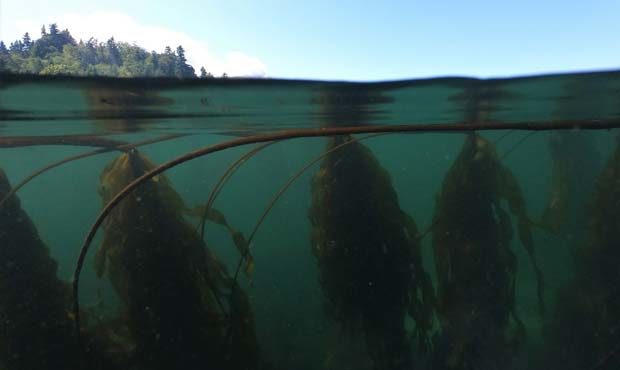
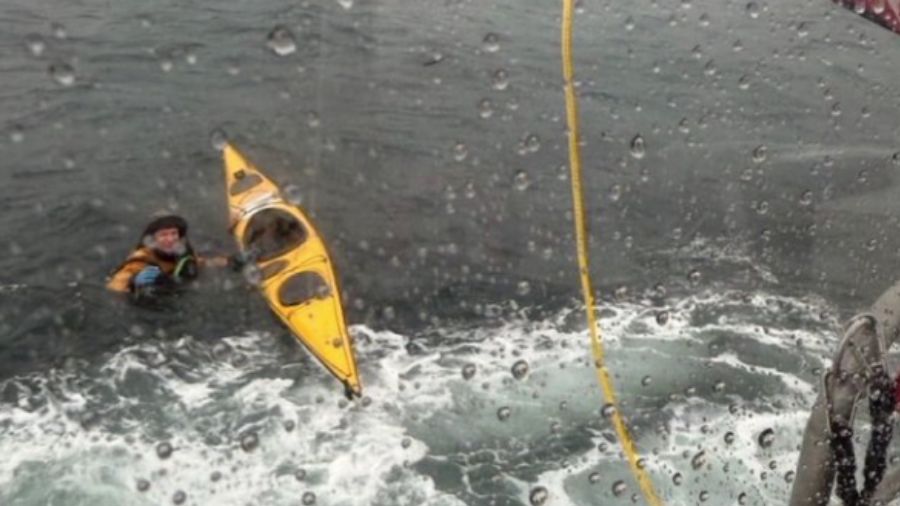
Photo courtesy of Washington State Department of Natural Resources – Nearshore Habitat Program
If you decide to socially distance on a boat, be sure to look down into the water — you could be unknowingly harming kelp beds.
An effort is underway with federal, state, and local government agencies, nonprofits, and tribes to save the Puget Sound’s kelp. The stakeholders include, among others, the Northwest Straits Commission, NOAA’s National Marine Fisheries Service, the Puget Sound Restoration Fund, the Washington State Department of Natural Resources, and Marine Agronomics.
The Kelp Plan seeks to track and monitor the recession of kelp, raise awareness of the problem, create kelp protection areas, restore kelp beds, and encourage people to do their part to stop the trend.
“A lot of the steps to recover and protect kelp are the same things that you need to do to enhance the health of Puget Sound in general,” said Dana Oster, marine program manager at the Northwest Straits Commission. “This is a species-specific recovery plan, but everything is very much synergistic with all the efforts that need to happen to protect and restore Chinook and Southern Residents and the health of Puget Sound in general.”
With Puget Sound orcas pregnant, vessels asked to give them space
All over the world, from Australia to Japan, kelp forests are disappearing — and the Puget Sound is no exception. Max Calloway, a natural resource scientist with the Washington Department of Natural Resources, said it’s impossible to know exactly how much has been lost, but they’ve been able to get a good idea of the damage by examining historical navigational charts.
“We estimate there have been over a 60% decline in linear extent since the 1870s in South Puget Sound,” Calloway said.
He explained that like many of the other problems affecting sea creatures, these declines are due to rising ocean temperatures, as well as human actions, such as development, pollution, and harming kelp while out in vessels. It is an unfortunately common sight to see kelp stalks sliced off at the top by boat propellers.
“If people can be aware that anchors can really hurt this ecosystem … cutting corners, not really paying attention to where the kelp beds are,” Calloway said. “You could actually be doing some actual, physical damage.”
Much of the kelp plan involves raising public awareness and educating people about how their actions could be harming kelp.
Calloway said that people may tend to think of kelp as “weeds” or insignificant plants, but kelp forests play a crucial role in the health of the ecosystem as the foundation of the food web — and they could help save the Southern Resident orcas.
“Kelp habitats create out migration corridors for juvenile salmon,” Calloway explained. “Those same corridors are also foraging grounds for returning adult salmon … especially Chinook, and we know that that’s what’s feeding our Southern Resident killer whales.”
This also means kelp beds are very important to commercial and tribal fishing.
“The integration of local and traditional knowledge supports how valuable kelp is,” Oster said. “We’ve heard anecdotally from so many fishermen and anglers that they target kelp forests to fish for Chinook … kelp beds were often used as part of the reefnet fishing off of Lummi Island, so that provides a lot of weight and emphasis to how valuable kelp is for salmon and the ecosystem, as well as cultural and recreational fishing.”
If you want to get involved in the effort to save the kelp, spreading the word is key.
“These opportunities to talk about kelp I think in some ways are the best ways that people can help, by just becoming informed and becoming invested in this really important resource,” Calloway said.