Software glitch raises safety concerns for Boeing 737 MAX planes
Sep 27, 2026, 9:05 AM | Updated: 9:13 am

The new Boeing 737-7 airplane certified by the FAA. (Photo courtesy of Boeing via KIRO 7)
(Photo courtesy of Boeing via KIRO 7)

Boeing has notified its customers of a computer glitch on its 737 MAX planes that could force pilots to land manually, instead of using autopilot.
The issue raises concerns about potential safety risks during plane landings.
In some situations, the problem could force a pilot to fly the plane without using the aircraft’s autopilot functions.
According to The Wall Street Journal, the glitch first appeared in planes after recent cockpit software upgrades.
News about the software glitch has not been made public.
The problem can occur when a plane misses its planned approach and has to change its flight path.
The Journal reviewed a Boeing document showing the aerospace giant notified 737 MAX operators in late August about the glitch, but said the planes were still safe to fly.
Boeing reportedly learned of the glitch from an airline in November of 2024, but determined it didn’t rise to the level of requiring a safety review.
The company informed other airlines about the issue last month, and began a safety review this month.
The Federal Aviation Administration says it’s investigating and could take action if necessary.
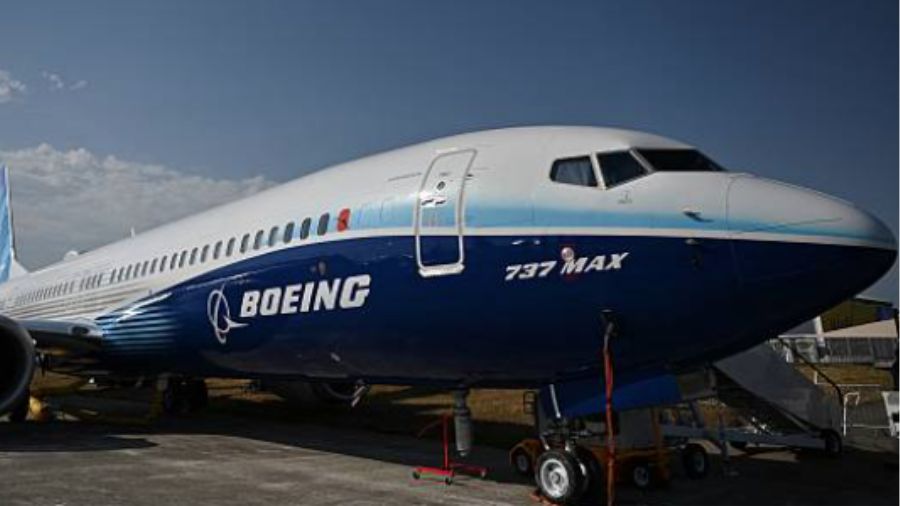
A software glitch on the Boeing 737 MAX is raising safety concerns. (Photo: Getty Images)
Boeing officials say the company is working with airlines on a way to restore the planes’ automated navigation feature if needed.
It is also working to design a software fix.
“We shared information with operators that reinforced existing pilot procedures for safely handling such cases,” Boeing told the Wall Street Journal. “Our engineers are working on a software update to address the issue permanently.”
At least two airlines have asked Boeing not to install the problematic computer software on future plane deliveries.
Industry officials say Southwest Airlines and United Airlines have instead requested a previous version of the software.
The flawed software comes as the airline strives to restore trust among airlines and their passengers, since the 737 MAX has a troubled safety record.
The FAA grounded the planes for nearly two years after two fatal crashes.
The deadly tragedies led to comprehensive reviews that delayed FAA approvals for newer versions of the jet.
The airplane maker is working on an accurate estimate of how many planes may be flying with the potentially defective software.
There is no requirement for airlines operating 737 MAX planes to let Boeing know whether they have updated their software.
The aviation-data company Cirium reports there are 2,422 Boeing 737 MAX 8 and 9 models currently flying.
WSJ reports Alaska, American, Southwest and United are all currently flying 737 MAX aircraft.
But all of those airlines say none of their planes are flying with the flawed software.
According to industry officials, Boeing has informed airlines they can return to using an older version of the software.
The potentially defective software comes as some airlines are awaiting delivery of the newest 737 models.
The FAA approved the MAX 7 last month.
Those planes were expected to have the new software installed on their flight systems.
Boeing Chief Executive Kelly Ortberg also recently stated federal safety regulators are expected to approve the MAX 10 soon.
According to the Journal, the Dallas-based carrier Southwest has been waiting years for the smallest version of the Boeing narrow-body jet, the MAX 7, and plans to start flying them next year.
Whether those jets will now be loaded with older software is unclear.
Boeing issued a Fleet Notice to 737 MAX operators in August.
In that document, Boeing said it expected to issue further guidelines by November and develop a permanent software fix by early 2028.
The software was manufactured by GE Aerospace, which said it is working closely with Boeing and the FAA.