The Great Seattle Fire of 1889 provides lesson for hot June weather
Jun 5, 2016, 9:56 AM | Updated: 10:39 am

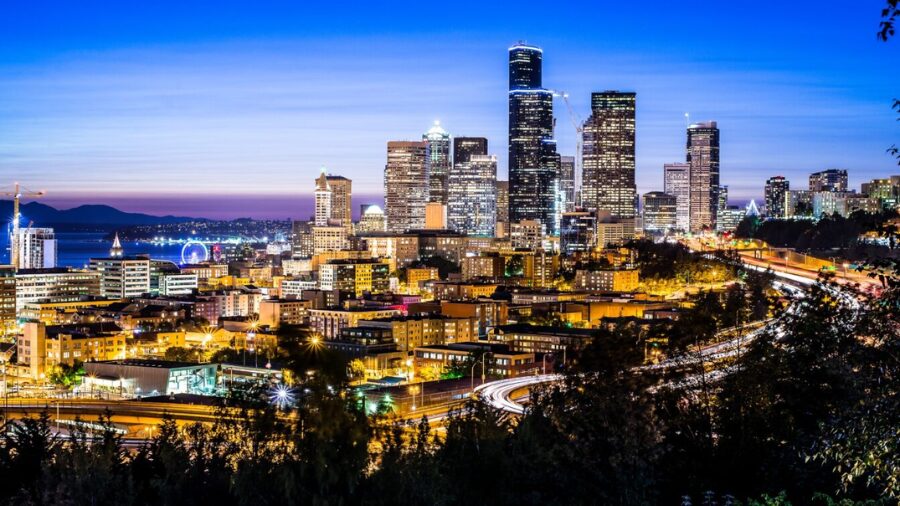
Seattle's current warm, dry weather mirrors what happened on this date 127 years ago. (Mynorthwest file photo)
(Mynorthwest file photo)

Monday, June 6 marks the date of the tragic Great Seattle Fire in 1889. This fire burned 25 blocks of downtown Seattle near the waterfront with similar to this weekend’s warm dry spring weather conditions. Sea-breeze winds coming off Elliott Bay that warm afternoon helped fan flames and spread the fire from one building to the next one with ease.
Can a fire like that happen today?
April and May were unseasonably warm and dry and expected to continue into at least early this month. These warm dry spring conditions have created a situation where fire can spread from one building to another easily, particularly in neighborhoods where homes are quite close to each other. Fortunately, some structures have more fire resistant building materials and a state of the art fire response community can help stop such spreading fires. Yet they still can happen thanks to the warm dry weather conditions.
Related: Puget Sound experiencing incredibly early heat wave
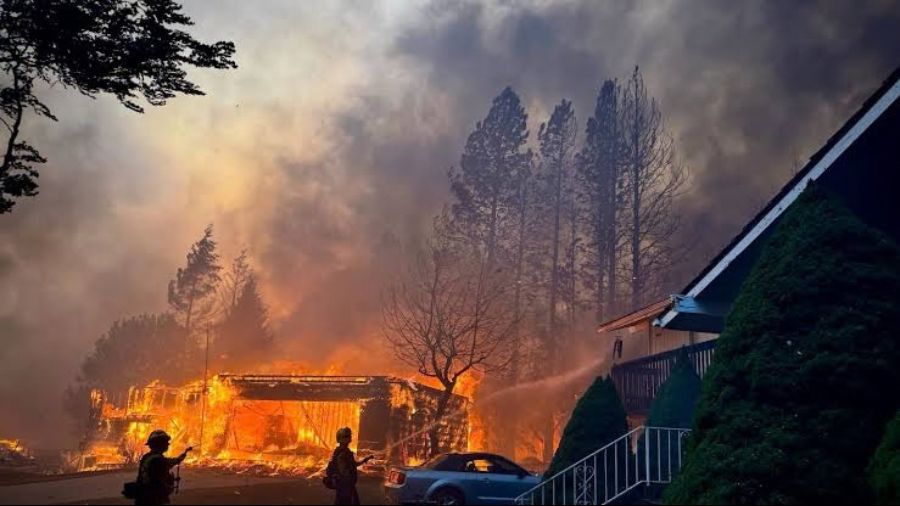
Similar warm dry conditions with strong gusty winds were in place in Detroit in early September 2010. Over six dozen homes burned as winds spread the flames from residence to residence. Another huge urban wildfire example was the October 1991 Oakland Hills, Cali. event where a wind-whipped fire swept through over 3000 residences, killing 25 and injuring 150.
The antecedent weather conditions in all these cases were ongoing warm, dry weather and a day with blustery winds. Then, some kind of
fire ignition occurred. In the cases offered here, the fires were all human caused.
Despite the wet winter season, Western Washington is drying out. April precipitation ranged from only about 40 to 70 percent of average across the region while temperatures were well above normal. May followed suit with temperatures two to four degrees above average while precipitation was again well below monthly averages. Fuel moistures in grasses and shrubs are drying out and ready to accept fire. We have already had some roadside grass and brush fires.
The latest seasonal weather outlook for the rest of this spring and through the summer offers increased odds on warmer than 30-year average temperatures and equal chances of above, near or below average precipitation — during our driest time of the year. Everyone needs to do what they can to help avoid any fire starts during this warm dry period, particularly on breezy days where the wind can help spread any fire in both a rural and urban setting.
To take action now around your home to help build wildfire defensible space, the firewise website, which offers tips such as moving firewood away from your home, trimming tree limbs up off the ground to above your head, and cleaning roofs and gutters of debris. Each of us can help Smokey Bear and his motto — “Only You Can Prevent Wildfires” — whether in urban or rural areas.
Follow @https://twitter.com/NWSSeattle