Mayor Wilson denies policy shift after drug enforcement memo fuels rumors
Jan 6, 2026, 6:24 PM | Updated: Jan 7, 2026, 1:07 pm

(Photo courtesy of KIRO 7)
(Photo courtesy of KIRO 7)
In a Jan. 1 memo to the criminal division of the Seattle City Attorney’s Office (CAO), newly elected City Attorney Erika Evans directed her staff to refer all drug possession and public use cases from Seattle police to a freshly created internal review team, which will determine whether to file charges or offer suspects entry into the Law Enforcement Assisted Diversion (LEAD) program — a treatment and support alternative to jail time for low-level drug suspects.
According to Evans’ memo, the new team, named the LEAD Liaison Team, will assess, with police officers’ input, “the most suitable subsequent action in consultation with the Criminal Division Chief.”
However, the memo also sparked a rapid news cycle for the days-old administration, prompting national headlines, internal churn, and questions about possible changes to drug enforcement — claims newly elected Mayor Katie Wilson desperately dismissed as misleading rumors and untrue.
The same day Evans’ memo was sent, Seattle Police Chief Shon Barnes sent an internal email to his entire staff. After wishing them a happy New Year, he told them, “New policies and procedures are inevitable, especially given the shifting political landscape our city has grown accustomed to.” Next, Barnes informed his staff about “an important update from the City Attorney’s Office.”
Barnes’ email explained, “all charges related to drug possession and/or drug use will be diverted from prosecution to the LEAD program.”
The way Barnes had crafted his email outlined a clear departure from past protocols concerning officers being able to apply discretion when arresting or referring drug suspects for prosecution or involvement in LEAD. It also signaled a possible policy change, which led to an explosion of media questions.
When Seattle’s Police Officers Guild (SPOG) and its president, Mike Solan, caught wind, they went public with warnings of rampant drug use, overdoses, and even deaths on city streets. The non-profit, We Heart Seattle, also warned of swarms of people infiltrating the city, bringing with them more drugs and more crime.
Wilson responds, says email was misinterpreted
In response, Wilson and her communications team jump-started a reactive PR campaign seemingly designed to squash innuendo and rumor, but also to provide air cover for her police chief and any other city employee involved.
Wilson told reporters Barnes’ email was being misinterpreted and, seemingly, exacerbated by the onslaught of reporter questions, she said in a statement, “You’ll know when I announce a policy change, because I’ll announce a policy change.”
“I think this whole episode has taught me more than I ever learned from my campaign about the power of a rumor,” Wilson told “The John Curley Show” on KIRO Newsradio. “I have heard some wild things about what I have said or what I believe, and this was another example where I woke up this morning to the news that apparently my office had issued a new directive, and we definitely did no such thing.”
The CAO sent a copy of Evans’ original memo to KIRO Newsradio. It explained the function of the LEAD Liaison Team as complementary to police officers’ work on the streets, adding that if an arresting officer or reviewing prosecutor identifies specific, exceptional circumstances that make diversion inappropriate, the case will be elevated to the Criminal Division chief to determine the next course of action. It also explains that if the CAO disagrees with the officer’s recommendation in those cases, prosecutors will follow up with the officer to explain the reasoning behind the decision.
In response to the media melee, the Seattle Police Department (SPD) sent a follow-up message Monday explaining officers will continue enforcing drug laws and making arrests under department policy, while the CAO will decide whether cases are prosecuted or diverted to treatment, adding, “If the arresting officer has identified unique circumstances that could make diversion ineffective, the officer and prosecutor can coordinate on other options including prosecution.”
“Our mission remains the same and we are aligned with the City Attorney and Mayor’s Office when it comes to keeping Seattle safe from dangerous drugs,” the Seattle Police Department stated. “Our officers will continue to make drug-related arrests if they have probable cause. They will also collaborate with prosecutors. If an arresting officer has identified unique circumstances that could make diversion ineffective, the officer and prosecutor can coordinate on other options including prosecution.”
Evans said her decision to create a more robust LEAD referral process falls in line with the intent of both state law and Seattle’s ordinance passed in 2023, which stated, “Whenever possible, the City of Seattle should seek to divert individuals into case management and substance use disorder treatment services.”
The Seattle City Attorney’s Office also sent KIRO Newsradio a statement to further clarify the confusion.
“This memo is directed only to City Attorney’s Office (CAO) prosecutors. CAO prosecutors work closely with Seattle police officers to ensure our streets are safer,” a Seattle City Attorney’s Office (CAO) spokesperson wrote. “CAO is confident SPD officers will continue to use their discretion to directly divert some people to LEAD as they already do, and to articulate why they’ve chosen to refer someone for prosecution in those instances where an officer does not believe LEAD is the right initial approach. Seattle Police retain their full discretion to divert or arrest, as Seattle prosecutors retain our discretion to divert or prosecute when the situation warrants it.
“We’ll work together to follow the law (as cited in the attached memo) by recommending treatment wherever possible, so that people can meaningfully address their addiction,” the spokesperson continued.
RELATED STORIES
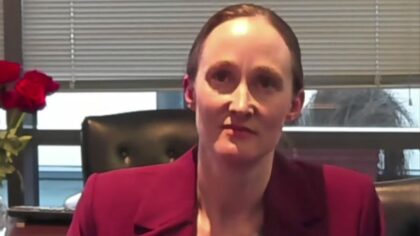


Police Officers Guild President not seeking reelection
Tuesday, as the storm surrounding Evan’s memo began to die down, Mike Solan, the president of the Seattle Police Officers Guild (SPOG), announced he is no longer seeking reelection, according to KUOW. His second term is set to end next month.
Reacting to messaging in Evans’ memo, Solan did not mince words.
“The recent naive, ignorant political decision to not arrest offenders for open drug use in the City of Seattle is horrifically dangerous and will create more death and societal decay,” Solan warned KIRO Newsradio. “It embodies an enormous flaw in those in our community who think that meeting people where they are, who are in the throes of addiction, is the correct path to lift them up. This is wrong and is commonly referred to as suicidal empathy.”
Solan has been a prominent figure in the SPOG, known for his controversial statements and actions, including pushing for accountability in police practices. He was instrumental in securing a new SPD contract with the city, through 2027, before Wilson took office.
It’s unclear if this most recent news cycle surrounding Evans’ memo led to Solan’s decision not to run for reelection.
Follow Luke Duecy on X. Read more of his stories here. Submit news tips here.