Residents weigh in on Seattle’s $9.1 billion budget proposal focused on police staffing, homelessness, housing
Oct 7, 2026, 11:52 AM
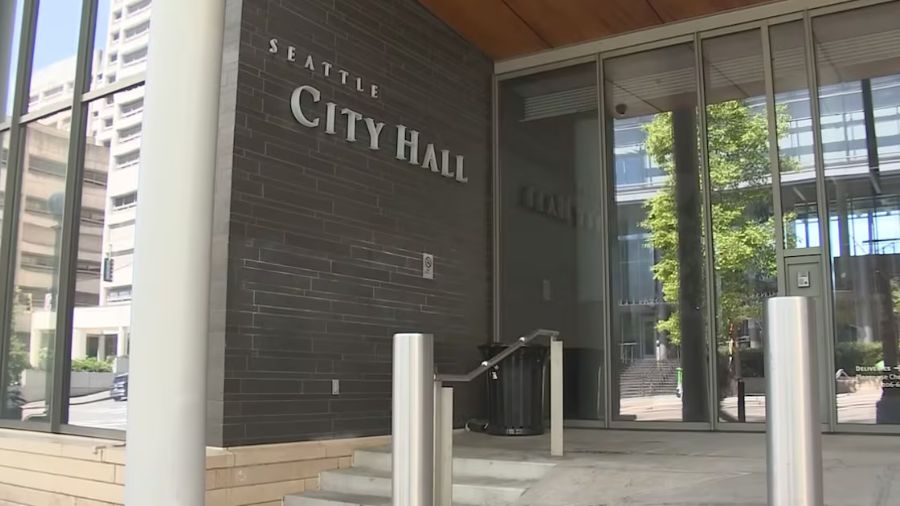
Exterior of Seattle City Hall. (Photo courtesy of KIRO 7)
(Photo courtesy of KIRO 7)
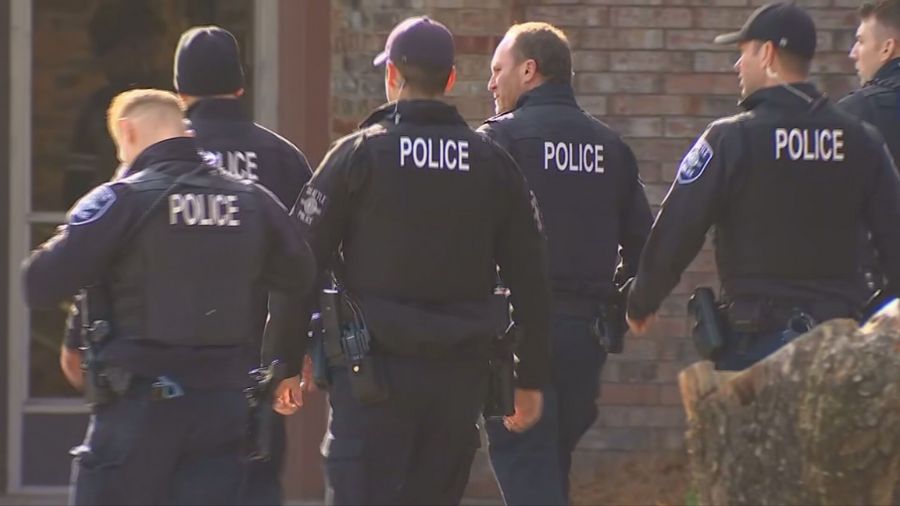
Seattle City Council members are beginning to scrutinize Mayor Katie Wilson’s proposed $9.1 billion 2027-2028 budget, a spending plan that includes $50 million in cuts and adds $68 million to the Seattle Police Department’s (SPD) budget, which is a 13% increase.
Many pro-business organizations applauded the increase.
“We support $37 million for shelter expansion and the 13% increase in SPD and public safety,” Dennis Sills with the Downtown Seattle Association (DSA) said.
“We need to increase our police force and ensure their training is nothing but the best,” Chris McKay, the executive director of the West Seattle Junction Association, added.
Many residents called on the committee to redirect proposed money for SPD.
“Instead, we need to prioritize investments in stable housing, tenant protections, public space, our schools, and children’s programs, and the arts, one resident said.
“Nix to 66 … 66 new cops,” another resident said. “I understand the need for public safety, but we’re struggling out here.”
“I also urge the council to deflate our bloated police budget, which takes money away from meeting the real needs of the people, like shelter, food, education, sidewalks, parks, libraries, affordable housing, and more,” another resident shared. “The only things I’ve ever personally seen Seattle cops do are one, terrorize, hurt, and kill my unhoused neighbors … draw their guns while running after teenagers, shouting “You’re going to get shot!” and pointing the gun at me while I’m in the way.”
Wilson has also made shelter and homelessness response, food access, affordable housing and support for youth, immigrants, refugees and the LGBTQ+ community among the central priorities of her proposed budget.
The proposal includes $183 million for homelessness programs, including $37 million for new shelter capacity. Wilson has pledged to add nearly 1,000 shelter beds by the end of 2027, enough to serve approximately 1,750 people annually.
RELATED STORIES
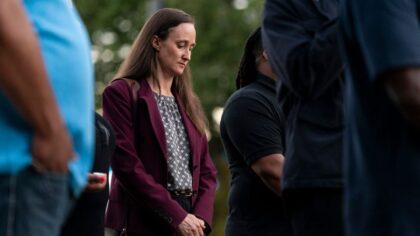
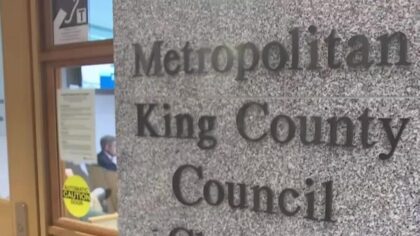

“I want shelter and tiny homes for unhoused people,” one resident told councilmembers. “If people need help with their physical or mental well-being, our council must provide the services needed to stave off that crisis.”
“I’d also like to echo all the demands that every other service provider on this call has stated some of the most important ones are homelessness services,” another resident added. “Anything that goes towards criminalizing or hurting people is only going to make things worse.”
Housing advocates urged the council to add at least $500,000 for tenant services and adopt the full $11 biennial rental registration fee to support renter-protection enforcement. Speakers also called for greater investment in eviction prevention, rental assistance, shelter and stable housing.
“I want council to invest in people across whole communities,” one resident said. “I want my neighbors to have their basic needs met. As rents keep rising, I want our city to help them stay in their home.”
“I’m here to specifically urge the council to add at least another $500,000 for tenant services to what is proposed in the mayor’s budget to adopt the full $11 increase in rental registration fees paid by landlords biannually to pay for enforcement of renter protections without exemptions…” another resident said.
Aaron Tulloch, a legislative aide with FMS Global Strategies, testified on behalf of We Build Back Better Alliance in support of The Liberty Project, which gives Black-owned and other unrepresented small businesses hands-on support in accounting, marketing, business strategy, and contracting.
“This council invested $500,000 in the work in 2026 in the budget, and the mayor’s proposal continues that commitment. We ask you to keep it intact,” Tulloch said. “This is not an abstract economic development. This is capacity, revenue, ownership, and wealth building for businesses that have historically had less access to all four.”
Others urged the council to preserve funding for the Equitable Development Initiative.
“I’m concerned that some of the council members might be using this as an opportunity to cut EDI for other priorities that are not in alignment with the intent of the Jumpstart Tax,” Joseph Lachman, policy manager for the Asian Counseling Referral Service, said. “I’m just asking to protect and preserve this proposed funding. It’s an important, deeply important program that’s helping to anchor some of the most vulnerable communities that are at risk of displacement in our city.”
Many speakers urged council members to allocate more budget dollars for the arts.
“Please fund neighborhood music performances, including artist fees and production costs, while protecting existing music programs and direct artist grants,” Seattle Music Commissioner K. M. Van Petten said. “This is economic development, paid work for musicians, customers for neighborhood businesses, and support for independent venues.”
The budget is now moving through the city council’s budget committee review process, where council members can propose changes to the mayor’s plan before voting on a final budget.
A full council vote on the budget is expected Nov. 20.
Wilson can then sign the budget, veto it, or let it pass without signing.
The Seattle City Council can override a veto with a two-thirds vote.
Follow Luke Duecy on X. Read more of his stories here. Submit news tips here.