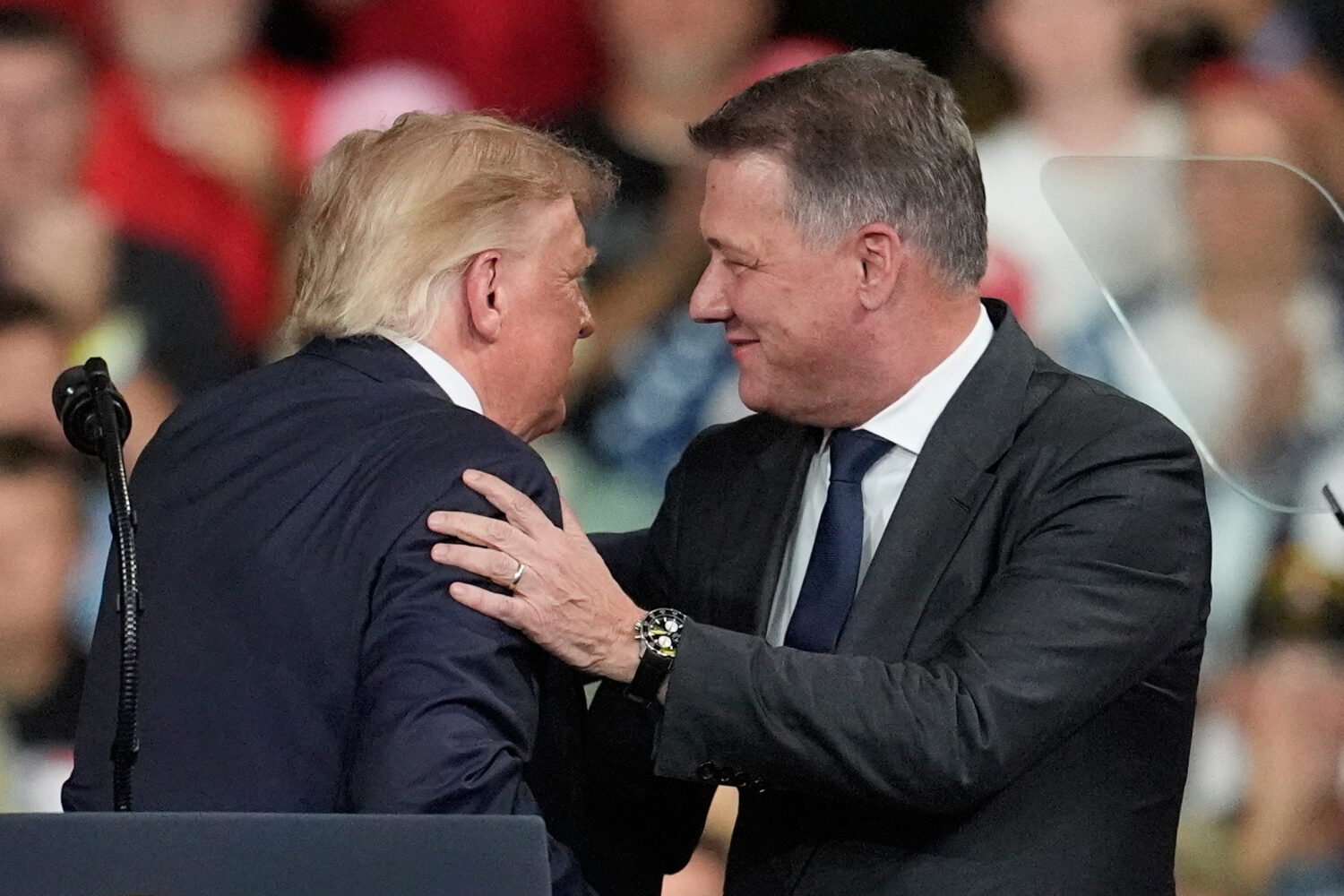
A key US government surveillance program is set to expire. A look at what that means
Jun 12, 2026, 3:57 AM | Updated: 11:10 am
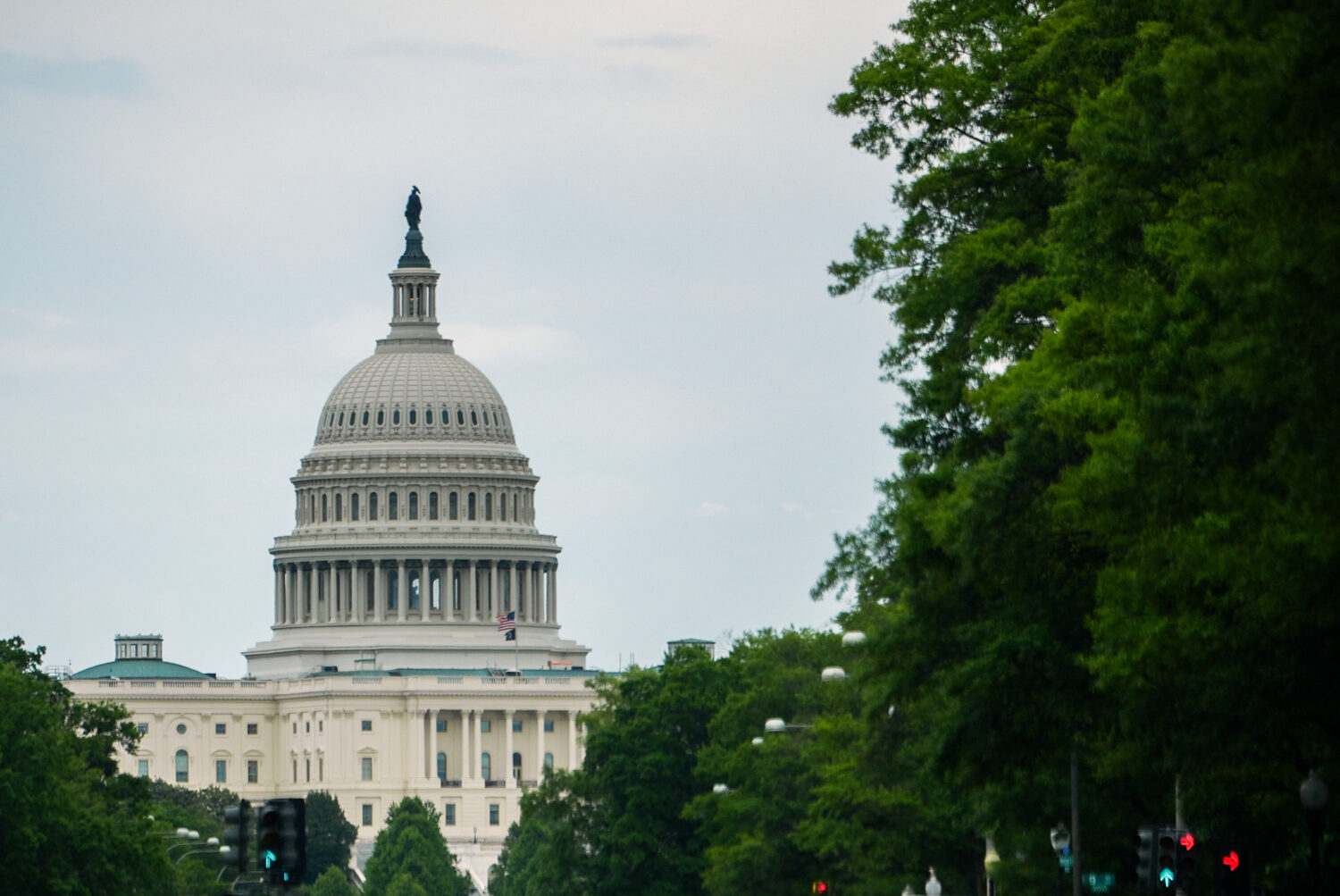
The U.S. Capitol is seen from Pennsylvania Avenue, Wednesday, May 13, 2026, in Washington. (AP Photo/Julia Demaree Nikhinson)
Credit: ASSOCIATED PRESS
(AP Photo/Julia Demaree Nikhinson)

WASHINGTON (AP) — A key surveillance tool seen as vital in preventing terror attacks and catching foreign spies is set to expire Friday after congressional efforts to temporarily extend it failed in bipartisan fashion.
It’s a significant lapse for the program known as Section 702, and even as President Donald Trump nominates a new national intelligence director more palatable to both Republicans and Democrats than his initial pick, it’s unclear how soon lawmakers — set for recess — would be able to revive the spy program.
Still, there may not be an immediate drop-off given that a court order from March authorized these government surveillance powers to remain in effect for another year.
The provision is a part of the Foreign Intelligence Surveillance Act, known as FISA, and grants American spy agencies sweeping powers to collect and examine the communications of foreigners located outside the United States without first getting a warrant.
U.S. officials see the law as an invaluable national security tool that has helped disrupt potential acts of terrorism, yielded valuable insight into ransomware attacks on critical infrastructure and contributed to the killing of al-Qaida leader Ayman al-Zawahri in a 2022 drone strike.
The law was passed in 2008 as an effort to codify key aspects of a predecessor spy program created by President George W. Bush’s Republican administration.
Since then, officials across administrations of both major political parties have warned that without the law the government won’t be able to collect crucial intelligence overseas.
The periodic need to reauthorize the law has prompted protracted debate in Congress well before this year, including discussion over whether additional guardrails are needed to protect the privacy of Americans and their personal data.
That’s because when the government eavesdrops on foreigners abroad, it also sweeps up the communications of American citizens and others in the U.S. who are in contact with those surveillance targets.
Civil liberties advocates have raised concerns over revelations that FBI analysts over the years have improperly queried the vast repository of intelligence collected through the program for information about Americans, including related to the Jan. 6, 2021, riot at the Capitol by a mob of Trump supporters and the racial justice protests of 2020, as well as about state and federal political figures.
Some of those advocates have said the government should be required to have a warrant before examining communications collected from Americans. U.S. officials have said that a warrant would be legally unnecessary and overly cumbersome and that corrective measures have been implemented to reduce the number of improper queries.
Complicating the debate is the unlikely political alliances it has produced, uniting a coalition of lawmakers skeptical of government surveillance that includes both privacy-minded liberal Democrats and Republicans who still regard the intelligence community with suspicion over the investigation of ties between Russia and Trump’s 2016 Republican presidential campaign.
Democrats balked when Trump picked Bill Pulte to serve as acting national intelligence director and refused to support a FISA extension until the selection was withdrawn. Pulte, a Trump loyalist with no known national security experience, has set off alarms by using his perch as director of the Federal Housing Finance Agency to facilitate dubious mortgage fraud investigations of perceived Trump adversaries.
A House vote this week that would have temporarily extended the program collapsed, with 19 Republicans and nearly all Democrats rejecting the temporary measure, 198-218. A Senate effort to approve its own versions also failed.
After those votes, Trump announced he was tapping Jay Clayton, a U.S. attorney in Manhattan who previously served as chairman of the Securities and Exchange Commission, as his permanent pick for director of national intelligence, or DNI. The pick was warmly received on Capitol Hill, but it was not enough to break the impasse before Friday’s scheduled expiration.
Connecticut Rep. Jim Himes, the top Democrat on the House Intelligence Committee, said that he has “known and respected” Clayton for decades and that had he been tapped a week ago, “lots of pain might have been avoided.”
“His intelligence, temperament and deep commitment to public service will make him a terrific DNI,” Himes said.
Republican Arkansas Sen. Tom Cotton, chairman of the Senate Intelligence Committee, and Iowa Sen. Chuck Grassley, chairman of the Senate Judiciary Committee, have warned the Trump administration to prepare “for a potential significant gap in foreign intelligence collection.”
The expiration is likely to be the first meaningful lapse of Section 702 since it was created more than 15 years ago. In 2024, the Senate barely missed its midnight deadline before voting to approve a bill that was then signed by President Joe Biden, a Democrat, creating a brief lapse.
Despite the lapse, there’s no expectation of any immediate drop-off in intelligence collection as the U.S. hosts a series of events this summer with potential national security concerns, including the World Cup and festivities surrounding the 250th birthday of the United States.
A March opinion from the secretive Foreign Intelligence Surveillance Court certified the program’s renewal for another year, meaning that Section 702’s authority is expected to remain intact for months.
Even so, it’s conceivable that without congressional reauthorization, a telecommunications company or internet service provider could challenge the government’s ability to compel it to cooperate with its demands for surveillance.
___
Associated Press writers Mary Clare Jalonick, Lisa Mascaro and Seung Min Kim contributed to this report.