Energy giants seeking to merge say they’ll extend Virginia residents’ bill credits and add jobs
Sep 14, 2026, 2:31 PM
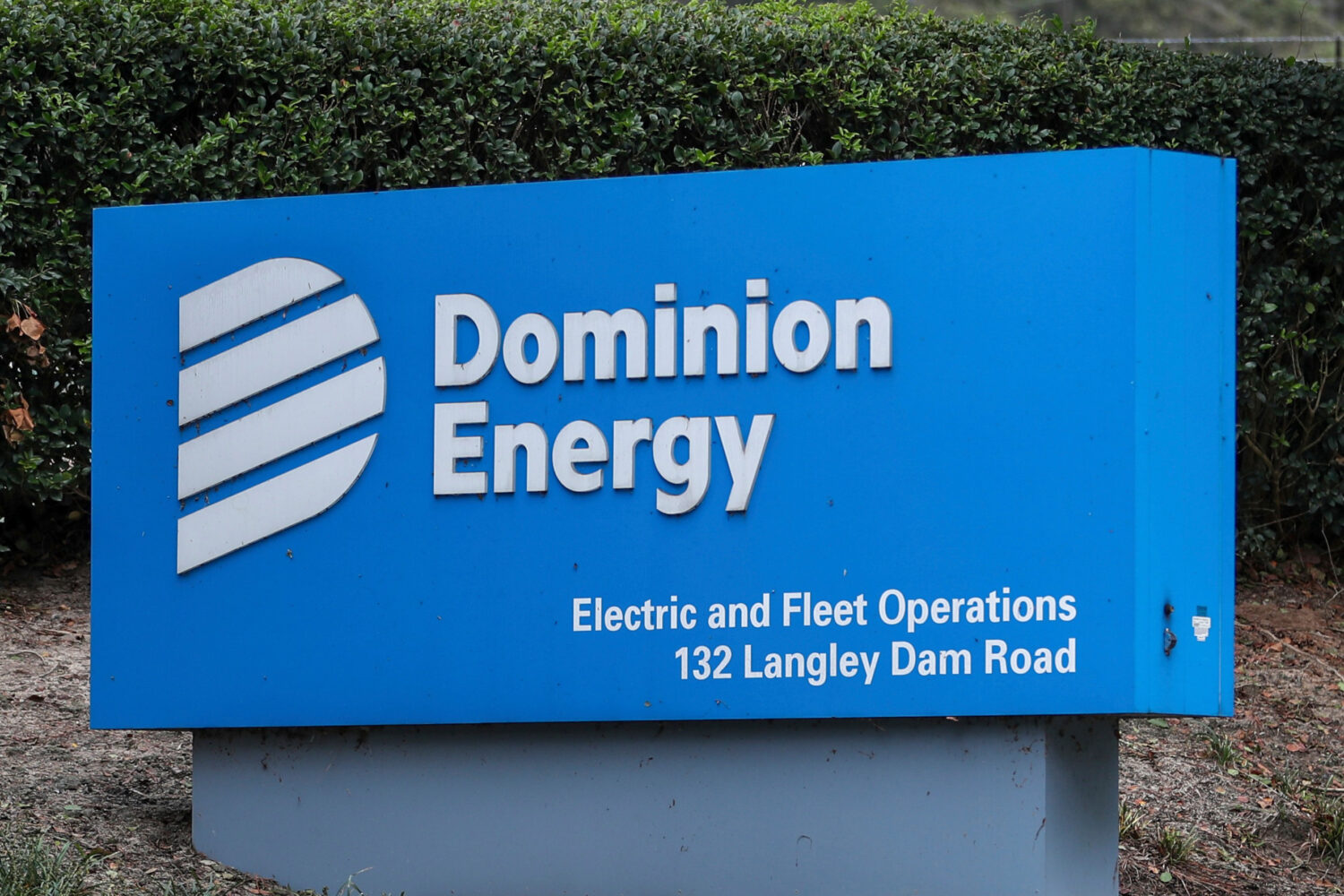
FILE - The Dominion Energy sign outside of the Electric and Fleet Operations center in the aftermath of Hurricane Helene on Sept. 29, 2024, in Aiken, S.C. (AP Photo/Artie Walker Jr., File)
Credit: AP Photo/Artie Walker Jr.
(AP Photo/Artie Walker Jr., File)

RICHMOND, Va. (AP) — Power companies NextEra Energy and Dominion Energy, which are seeking approval to merge into one behemoth, announced plans Monday to sweeten the deal in Virginia, Dominion’s home base, where the proposal has faced skepticism from the Democratic governor and legislative leaders.
The companies said in a news release that in “response to feedback from policymakers” and others, they would commit to a set of Virginia benefits that includes: a new shareholder-funded co-headquarters tower in the capital city’s downtown, a promise of 600 new jobs, more money toward workforce development and a doubling of previously announced residential bill credits.
Amid rising electric bills, the companies said they plan to extend a $10 monthly bill credit for residential customers to four years from two years. That would mostly be paid for by ending bill credits that previously would have gone to large data center customers.
“Both companies share the mindset that data centers need to pay their own way,” John Ketchum, president and CEO of NextEra, said in an interview along with Dominion CEO Robert Blue.
Virginia is home to a massive hub of data centers. A spokesperson for the Data Center Coalition, an industry association, didn’t respond to requests for comment about the proposal to strip data centers’ bill credits.
In May, Juno Beach, Florida-based NextEra disclosed its plan to acquire Dominion. The companies said at the time that it would create the world’s biggest regulated electric utility business by market capitalization and one of the world’s largest energy infrastructure companies.
NextEra currently calls itself North America’s largest electric power and energy infrastructure company. It owns the Florida Power & Light Company, which provides electricity to about 12 million people in that state. Richmond-based Dominion powers about 3.6 million homes and businesses in Virginia, North Carolina and South Carolina, and provides natural gas service in South Carolina. It is the developer of the largest offshore wind project in the U.S.
The companies say that customers will eventually benefit from the larger scale of a combined company, which they argue will allow them to buy equipment and build new power generation more efficiently and at a lower cost, partly due to reduced borrowing expenses.
“We think as those residential four-year $10-a-month credits expire, we’ll be able to bring the benefits … of scale that the combination realizes,” Ketchum said.
Some critics of the merger argue that the combined power of the companies will also give them an outsized influence at the state Legislature, where Dominion alone already holds enormous sway.
Dominion and NextEra also said Monday they would increase a low-income financial assistance program by $100 million through 2038 and maintain current employment figures in Virginia for five years while adding the 600 new NextEra jobs.
The governor’s office is reviewing the companies’ proposal, said Libby Wiet, a spokesperson for Gov. Abigail Spanberger, who has formally intervened in the state regulatory proceedings and has said she is “deeply skeptical” about whether the proposed acquisition would be good for the state.
In statements and interviews, legislative leaders including House Speaker Don Scott and Senate Majority Leader Scott Surovell cast the companies’ proposal as a step in the right direction.
Lawmakers and the governor have been debating the merits of a special session to extend the timeline for Virginia regulators to review the merger. Scott said Monday he did not expect lawmakers to do so.
The Virginia regulatory body that will consider the merger, the State Corporation Commission, will hold an evidentiary hearing in the case in mid-November.
The proposed merger also faces regulatory hurdles before other states and the federal government. The companies have said they expect the deal to close in the second half of 2027.