Investors prosper and consumers pay as the Iran war exacts an uneven economic toll 6 months in
Aug 30, 2026, 12:05 AM

Options trader Marty Handler works on the floor of the New York Stock Exchange, Thursday, Aug. 27, 2026, in New York. (AP Photo/Yuki Iwamura)
Credit: AP Photo/Yuki Iwamura
(AP Photo/Yuki Iwamura)

NEW YORK (AP) — As the U.S. and Israel relentlessly bombed Iran in the opening days of war, the most dramatic predictions of the conflict’s toll were unsparing: surging oil prices, worldwide recession and economic catastrophe.
But six months into the conflict, the direst predictions haven’t come true even if no corner of the world’s economy has been untouched.
“So far, the global economy has pulled off the financial equivalent of a ‘Mission Impossible’ scene,” said Michael Ashley Schulman, an investment strategist with Cerity Partners.
Here’s a look at how the global economy has weathered the war, and who have been the winners and losers:
Stock markets hate uncertainty, and the decision by the U.S. and Israel to attack Iran on Feb. 28 delivered heaps of it. Columns of smoke rose from Tehran, frantic Iranians clogged roadways trying to escape, and mounting deaths, including of children, made headlines. It was enough for any investor to feel squeamish.
Oil prices surged and Wall Street began a retreat that would begin five consecutive losing weeks. The Dow and Nasdaq entered corrections. The S&P 500 had its worst month since 2022.
But a major turnaround has unfolded since the market bottomed in late March. The Dow has gained nearly 19%, the S&P is up almost 22% and the Nasdaq has surged 27%. If those gains survive the waning months of 2026, all three indexes would post their fourth consecutive year of gains.
The International Monetary Fund, in a July report, said the economy was “being shaped by two major forces, pushing in opposite directions.” The war has strained growth, but enthusiasm over artificial intelligence has offset the drag.
Main Street may be paying more for fuel, food and travel. But Wall Street, so far, is shrugging it off.
The war’s most obvious economic consequence has been its impact on oil. With tanker movement through the Strait of Hormuz slowed to a crawl, the price of Brent crude climbed from a prewar close of about $72 a barrel to as high as nearly $120. Although prices have eased, they are still up about 20% from before the war.
Oil’s price affects everything from crayons to cosmetics, but it hits anyone on the move especially hard.
Jet fuel is expected to cost, on average, 70% more than in 2025, according to the International Air Transport Association. Airlines, in turn, have raised ticket costs, hiked baggage fees and slapped on fuel surcharges while slashing flights or backing off from plans for added routes. Lufthansa Group, for one, cut 20,000 short-haul flights. Spirit Airlines, though troubled for years, evaporated.
“The likelihood that fuel surcharges are going to be rolled back and airfares are going to be brought down is very low over the next few months,” said Brett House, a Columbia University economist. “There is less choice for consumers and less competition between airlines, and therefore, less pressure to rein in fare increases.”
With tankers at a standstill and fuel prices climbing, the war strengthened a clean-power sales pitch.
Sales of electric vehicles hit records in some parts of the world. In Singapore, year-over-year growth of EVs reached 110%. In New Zealand, the figure hit 180%. And in Colombia, EVs notched a 300% increase.
Worldwide, EVs are projected to account for 29% of total vehicle sales in 2026, according to an International Energy Agency outlook, up from 25% last year. That growth is even more impressive considering the world’s two biggest economies, the United States and China, saw declining demand for EVs.
Countries that were particularly reliant on Persian Gulf oil have been spurred to action. In Southeast Asia, leaders have rolled out more use of renewable energy and researched deploying nuclear power. In Africa, countries have looked to expand domestic refining and accelerated the installation of solar panels.
Scott Lehmann, a supply chain expert at Sphera, an operational intelligence firm, counts 26 countries and regions that have announced clean energy and electrification measures in response to the war.
“The crisis is forcing investment faster than any policy framework would have,” he said.
For the privileged, the costs brought by war may barely be a blip. For the poorest, it’s a different story.
With the Gulf not just a leader in global oil production, but also of fertilizer, the war has dealt a blow to farmers. Just as many were making decisions about their crops, fertilizer prices soared, peaking in April at 44% higher than before the war, according to the World Bank’s price index.
In response, some farmers trimmed their fertilizer use, potentially imperiling next year’s harvests. “If you’re reducing your fertilizer usage right now, it’s in a way borrowing against next year’s soil health,” said Arif Gasilov, a natural resources expert with the Gasilov Group consultancy.
The United Nations World Food Programme has warned that tens of millions could be pushed into hunger. In testimony this week, its acting executive director, Carl Skau, said the “suffocation of fertilizer exports” had hit Asia and Africa hard. Higher transportation costs hindered the WFP’s own humanitarian efforts, too.
“An oil tanker anchored in the Strait of Hormuz can mean one less meal a day for a child in Sudan,” Skau said. “When oil prices go up, so does the price of flour, rice and vegetables.”
The war has already cost the U.S. tens of billions of dollars and caused thousands in Iranian casualties. It has shaved an estimated hundreds of billions of dollars from projected global output.
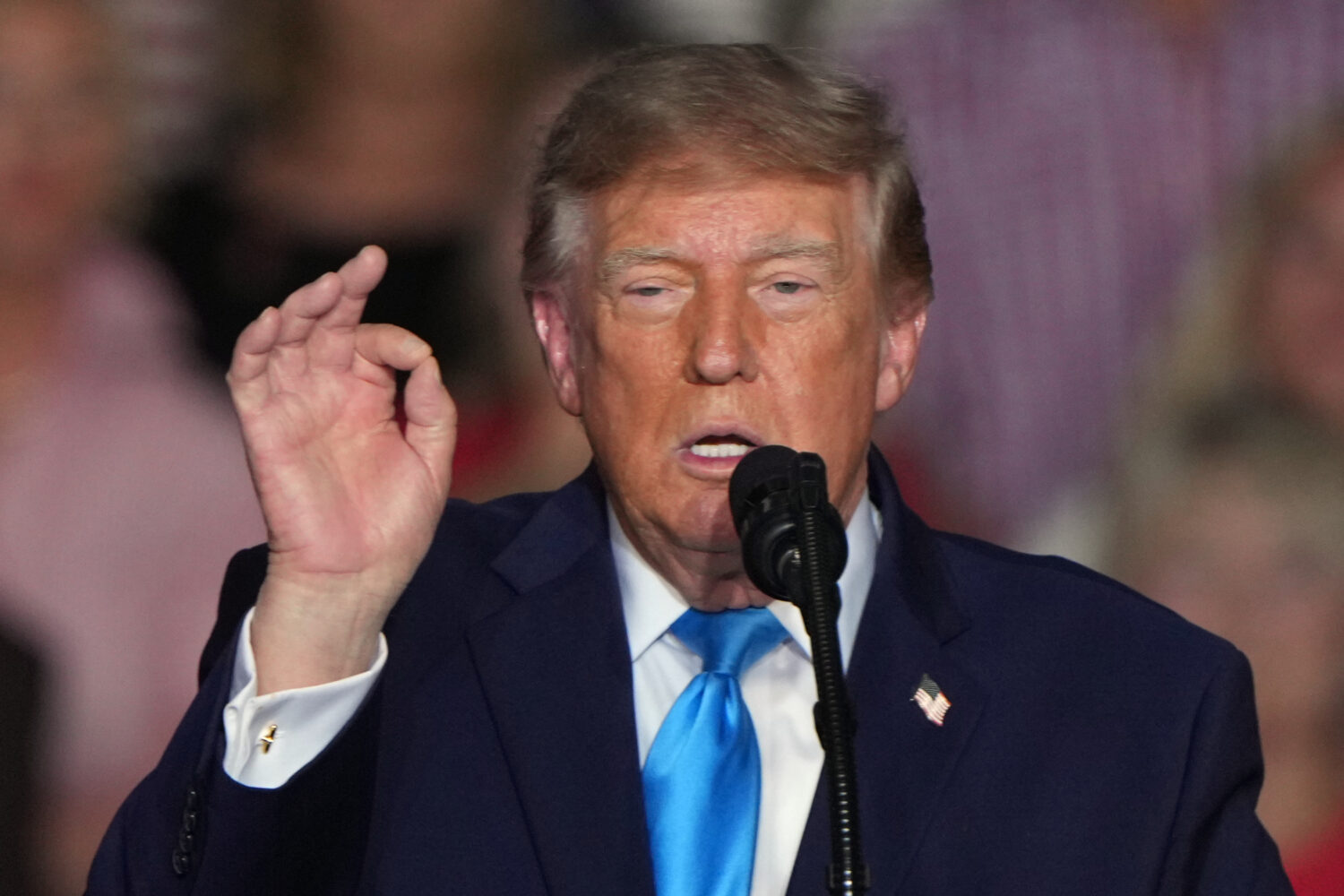
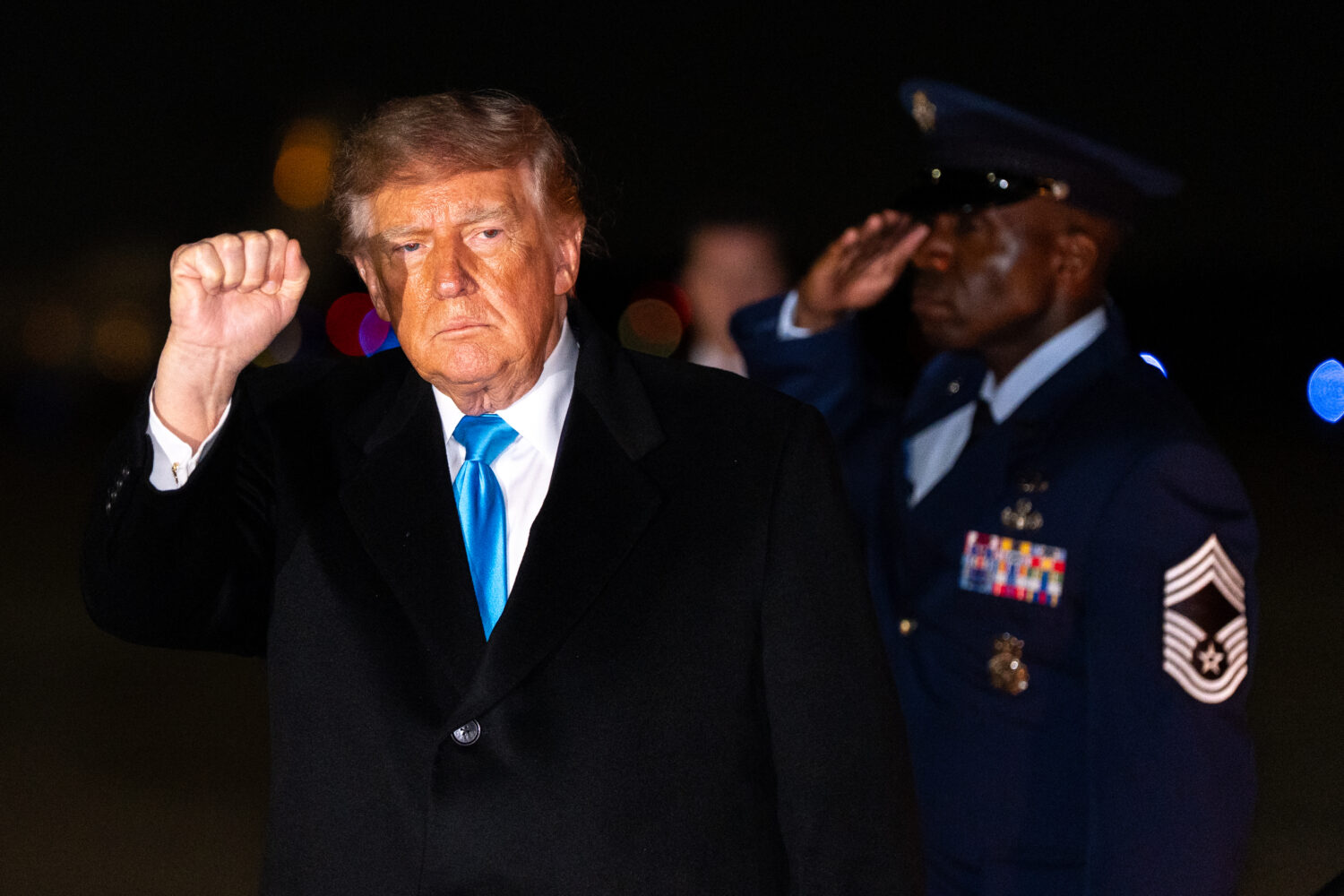
But the family of the man at the center of it all, President Donald Trump, has been among the beneficiaries.
Military contractor Powerus, about to be taken public by Eric and Donald Trump Jr., won an Air Force contract worth as much as $90 million to supply interceptors to shoot down Iranian drones. Similarly, the private equity firm 1789 Capital Management, which Don Jr. joined days after his father’s reelection, owns stakes in several other military contractors profiting from the war. One of them, Anduril, won U.S. approval for up to $2 billion in sales of drone interceptors to Kuwait. A second, Elon Musk’s SpaceX, is providing satellite service to guide U.S. drones against Iran. And a third — rocket maker Firehawk Defense — won Pentagon contracts for propellants and warheads to replenish dwindling U.S. supplies.
A spokeswoman for 1789 Capital, Alexa Henning, said Don Jr. wasn’t involved in the decision to put money in those companies, so there is no “nefarious connection.”
The president himself has done well, too.
His investment portfolio run by outside managers has scooped up shares of U.S. military suppliers helped by the war, including Lockheed Martin, General Dynamics and Northrop Grumman. Democrats released a report this week saying Trump’s holdings in oil and gas stocks have soared by as much as $15.5 million.
A White House spokeswoman, Anna Kelly, insisted “there are no conflicts of interest” and that “President Trump only acts in the best interests of the American public.”
Even as Trump’s personal finances have benefited, his political fortunes are another question. The conflict has been unpopular and could weigh on voters as midterm elections near.
___
Contributing to this report were Associated Press reporters Mae Anderson, Cathy Bussewitz and Bernard Condon in New York; Paul Wiseman in Washington; Wyatte Grantham-Philips in Chicago; Rio Yamat in Las Vegas; Alexa St. John in Detroit; Allan Olingo in Nairobi, Kenya; Chan Ho-him in Hong Kong; and Anton L. Delgado in Bangkok.