Trump tried to block state AI regulations, but some states are forging ahead
Jun 14, 2026, 2:07 AM
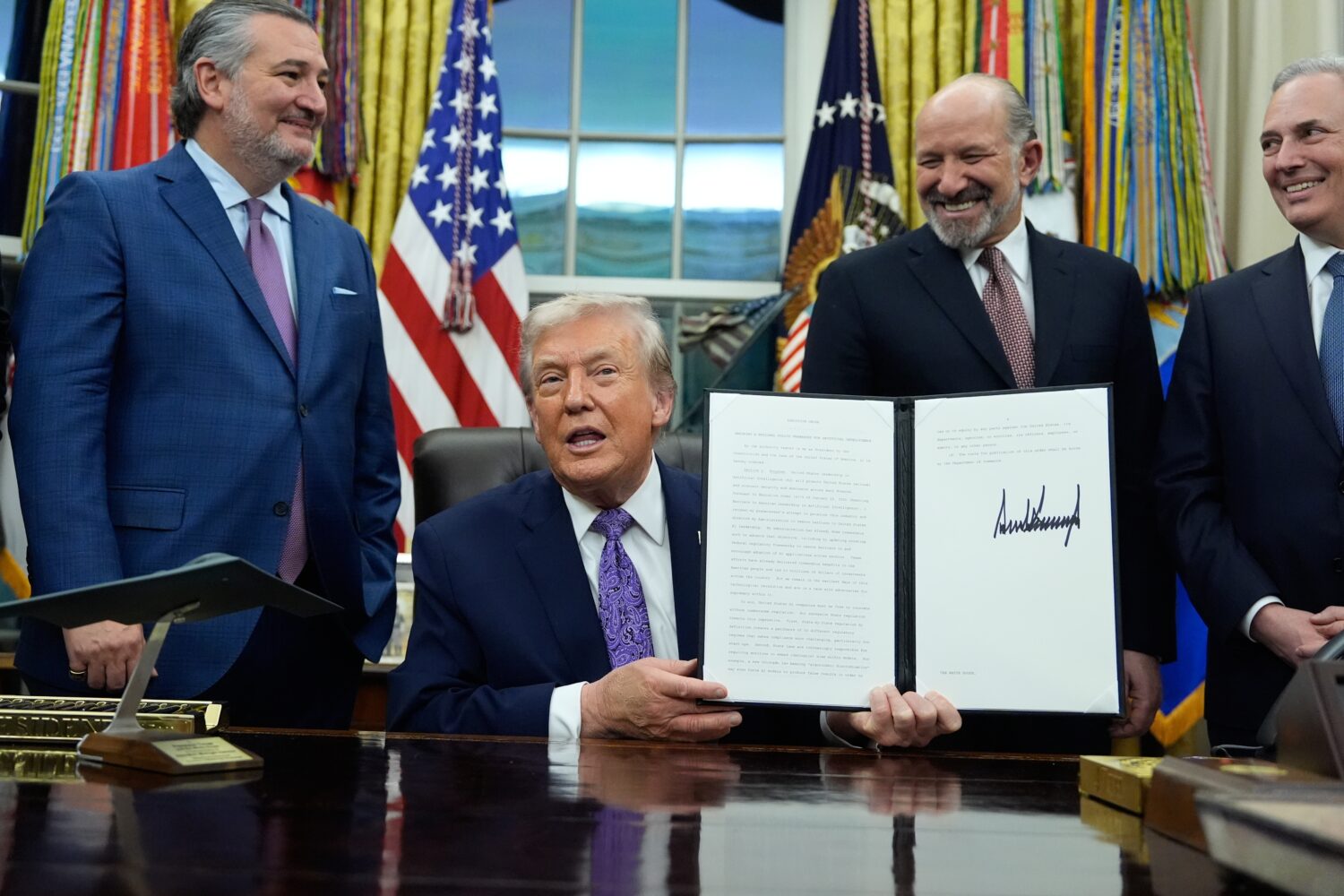
FILE - Flanked by Sen. Ted Cruz, R-Texas, left, Secretary of Commerce Howard Lutnick, second right, and White House AI and Crypto Czar David Sacks, President Donald Trump displays his signed AI initiative in the Oval Office of the White House, Dec. 11, 2025, in Washington. (AP Photo/Alex Brandon, File)
Credit: AP Photo/Alex Brandon
(AP Photo/Alex Brandon, File)

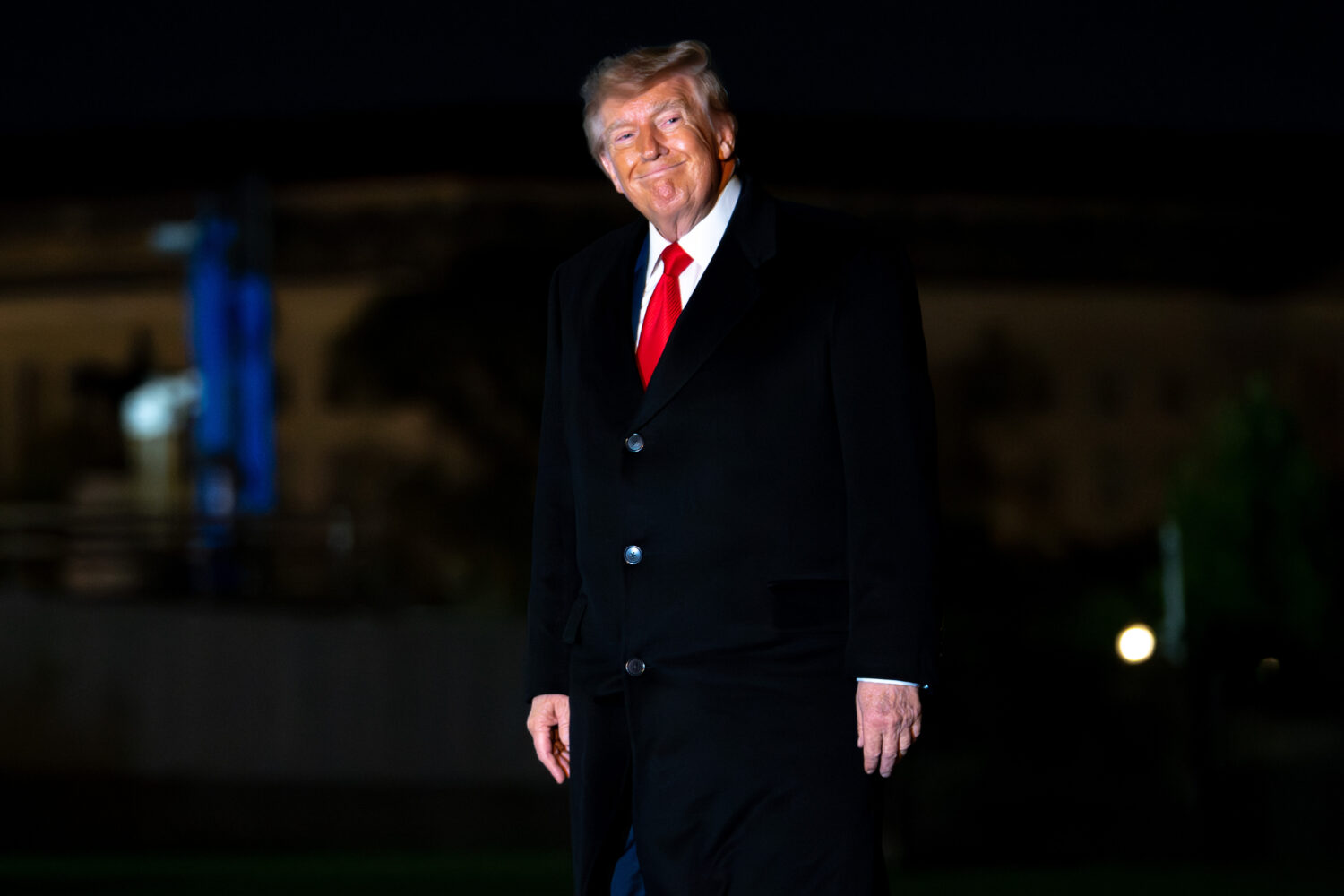
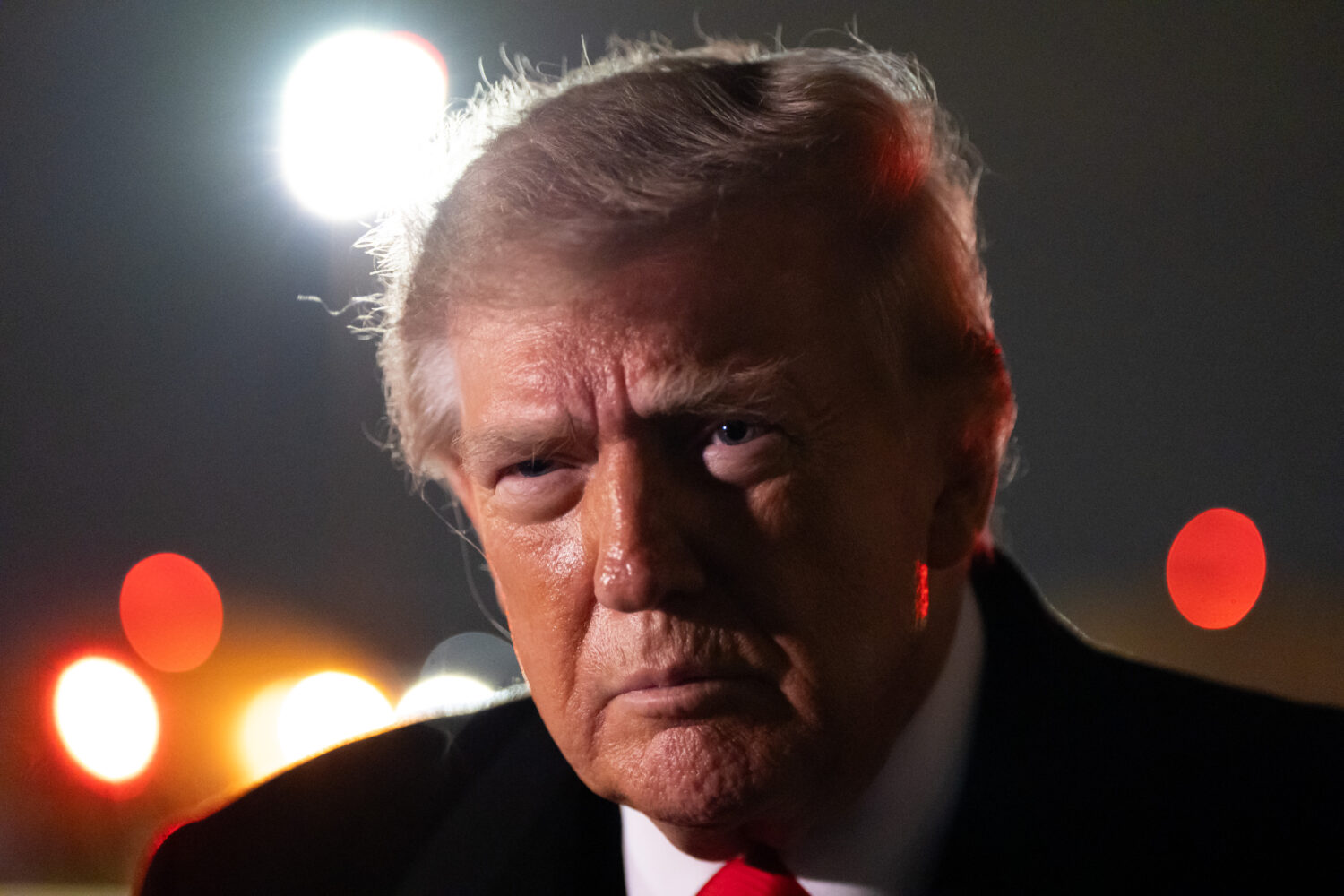
HARRISBURG, Pa. (AP) — Six months after President Donald Trump warned states not to regulate artificial intelligence, they are increasingly doing just that.
Congress has stalled on producing federal regulation of artificial intelligence as states forge ahead and scrutinize how chatbots interact with children, how AI systems are used by employers and what developers must do to try to prevent an AI-caused catastrophe.
State lawmakers have stepped back from earlier, wider-ranging attempts to regulate AI that were vetoed or otherwise derailed by governors who viewed the measures as too onerous toward the industry’s development, including efforts to hold developers accountable for bias in AI systems.
But they are returning with legislation that is more targeted and, often, probes the corners of life where Americans interact with AI but may not know it.
Trump’s move to restrain states’ actions on AI drew criticism from members of both political parties and civil liberties and consumer rights groups who worried that banning state regulation would amount to a gift to AI giants, who enjoy little to no oversight.
Trump has made AI a top national and economic security priority, and he said that letting states clutter the regulatory playing field for an industry that’s spending trillions of dollars and driving the economy is too risky in the race with China for AI superiority.
Trump issued an executive order that directed the attorney general to create a task force to challenge state laws that are more than “minimally burdensome,” and directed the Commerce Department to draw up a list of problematic regulations. It also threatened to restrict funding from a broadband deployment program and other grant programs to states with AI laws.
The White House said it wouldn’t target state laws that seek to prevent fraud and protect consumers and children.
In the meantime, the Trump administration released a “national policy framework” in which it urged Congress to preempt state AI laws that are out of step with its regulatory worldview and to pass legislation to protect children, intellectual property rights and free speech. In recent days, a new bipartisan draft proposal in the House met withering criticism from key Democrats and Republicans.
The White House has given no indication that it has made good on its threat to enforce the president’s executive order by going to court against a state’s AI law or withholding money. In a statement, it said the Trump administration is “eager to work with partners” to enact its policy framework.
Trump’s executive order didn’t seem to discourage states from trying to regulate how AI is used. More bills have been introduced this year than last, including by Republicans, said Justine Gluck, policy director of the Future of Privacy Forum, a nonprofit that advocates for data privacy in technology and whose members are from industry, academia and civic groups.
In Illinois, legislation on the desk of Democratic Gov. JB Pritzker piggybacked on elements of laws passed last year in California and New York that require developers of large advanced AI models to create protocols to prevent their systems from causing a catastrophe, such as a biological weapons attack, power outage or large-scale hack.
Illinois added a requirement that AI developers must get an independent auditor to review whether they are complying with their own policies. Analysts see it as a step toward requiring AI developers to take greater accountability for their products.
The bill’s sponsor, Democratic state Sen. Mary Edly-Allen, brushed aside Trump’s threat.
“I don’t know if you’ve met Illinois, but we’re pretty independent,” Edly-Allen told The Associated Press.
The bill drew nearly unanimous support, signaling a willingness by members of Trump’s party to cooperate with Democrats in filling the AI regulatory vacuum left by the federal government.
This kind of legislation is expected to expand to other states.
A growing number of states are imposing restrictions on how AI chatbots can interact with people, especially children. A mix of Republican- and Democratic-led states have passed such laws this year, including Colorado, Connecticut, Idaho, Iowa, Nebraska and Oregon.
In many cases, states want companies to tell people when they are interacting with AI instead of a human. Many want chatbots to be restricted in how they interact with minors, parents to have control over their child’s access, and data given to chatbots to be kept private.
In recent weeks, Connecticut enacted provisions for companion chatbots that sustain an ongoing relationship with a human. Under them, chatbots must not be able to interact with someone under 18, unless it is programmed against encouraging self-destructive behavior and provides parents with tools to manage the child’s use.
Colorado in May required companies that deploy AI systems in important areas such as employment, education, housing or banking to tell people when it’s being used to influence a decision about them.
It was a stab at regulating what researchers say is the bias inherent in AI systems that sort through a consumer’s data and render consequential decisions — including who gets hired, a home loan or medical care. But it watered down a 2024 law aimed at preventing AI’s penchant to discriminate, amid pressure from Democratic Gov. Jared Polis.
In Connecticut, lawmakers required employers who are using employment-related AI systems to tell employees or job applicants that they are interacting with AI.
Meanwhile, Connecticut, Washington and Utah required AI developers to embed data into digital content that will allow users to determine whether the content — such as photos or video — has been created or altered by AI.
More laws are possible this year.
In California, lawmakers are advancing the “No Robo Bosses Act of 2026” to prohibit employers from relying solely on AI to fire or discipline workers, and an expansion of how the state regulates AI chatbots, including banning chatbot outputs to children from being used for advertising.
In Florida, the state House refused to advance what Republican Gov. Ron DeSantis called his AI “Bill of Rights” legislation. It included provisions to give parents control over their children’s access to companion chatbots and to require companies that use chatbots to tell consumers when they are interacting with AI instead of a human.
Florida House Speaker Daniel Perez said Trump had made it clear that the federal government should be in charge of AI regulation. DeSantis panned that idea, noting that the federal government isn’t acting.
In Utah, progress stalled on legislation modeled on laws in New York and California after the White House sent a one-sentence memo to lawmakers there to warn that it was “categorically opposed” to the bill.
___
Follow Marc Levy at http://twitter.com/timelywriter