US stocks rise toward their record after the latest jobs report calms the rattled bond market
Oct 1, 2026, 9:53 PM
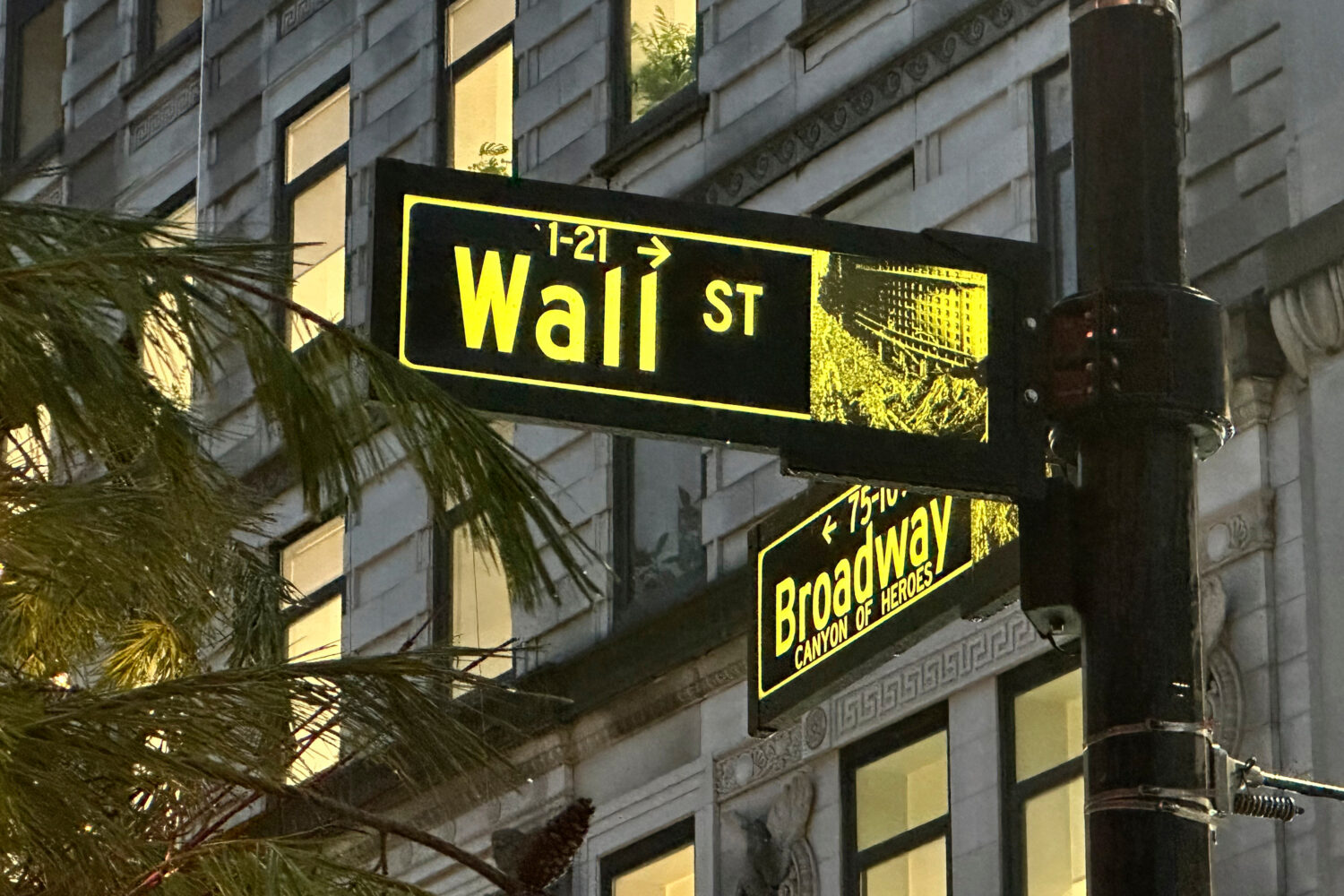
FILE - Signs mark the intersection of Wall Street and Broadway in New York's Financial District on Wednesday Dec.11, 2024. (AP Photo/Peter Morgan, File)
Credit: AP Photo/Peter Morgan
(AP Photo/Peter Morgan, File)

NEW YORK (AP) — Some relief is returning to the rattled U.S. bond market after the latest jobs report cooled worries that a potentially hot economy could make inflation worse. The resulting drop in bond yields early Friday helped stocks jump back toward their all-time high. The S&P 500 rallied 0.9%. The Dow Jones Industrial Average rose 357 points, and the Nasdaq composite climbed 1.2%. All of Wall Street got a jolt after the government said employers added 29,000 jobs to their payrolls last month, fewer than expected and a slowdown from August. The yield on the 10-year Treasury eased to 5.20%.
THIS IS A BREAKING NEWS UPDATE. AP’s earlier story follows below.
U.S. futures are climbing as oil prices ease and investors await the U.S. monthly jobs report due later in the day.
Futures for the S&P 500 and Dow Jones Industrial Average both rose 0.5% on Friday. Nasdaq futures gained 0.7%.
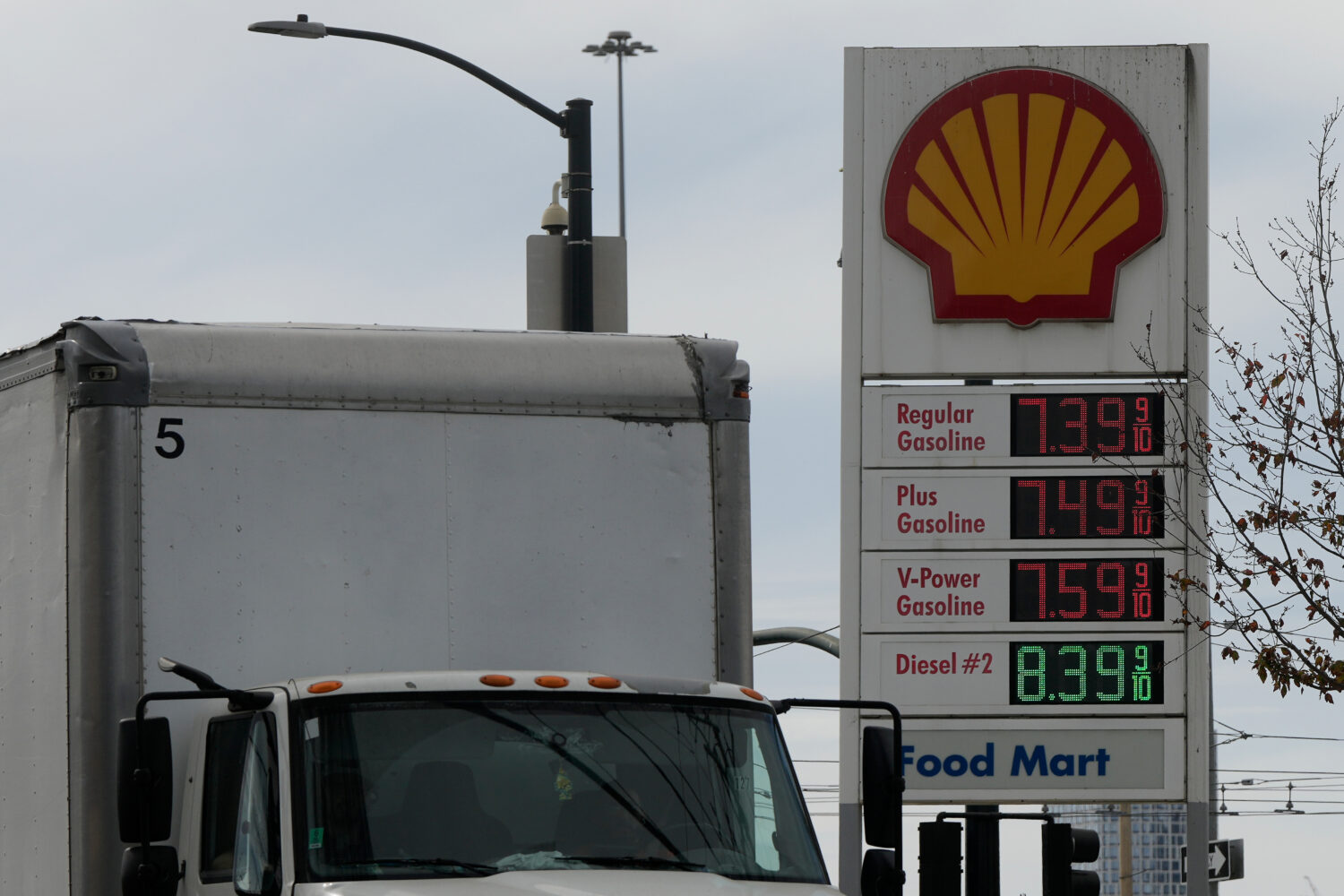
Oil prices declined as the U.S. pressures Europe to release diesel reserves. On Thursday Treasury Secretary Scott Bessent said in a post on social media platform X that the U.S.’s European partners should make deliveries of existing commitments faster and make additional supplies immediately available.
“American farmers, truckers, and businesses should not be left carrying the burden of a global diesel shortage,” he wrote. “America is doing its part. We look to our allies to match their commitments with action.”
The push on Europe comes as the U.S. sent another aircraft carrier and more troops to the Middle East, and as President Donald Trump threatened more possible escalations against Iran.
The U.S. military is deploying thousands of troops aboard a group of ships, including a third aircraft carrier, to the Middle East, according to a U.S. official on Thursday, after Trump on Wednesday threatened to “blow them up” or make a deal, referring to Iran, in an exchange with reporters.
Brent crude, the international standard, lost 2.4% to below $100 a barrel, at $99.88, after advancing on Thursday. That’s still well above the approximately $72 per barrel level in late February before the war. Benchmark U.S. crude declined 3.7% to $89.47 a barrel.
Investors and traders are monitoring closely the U.S. monthly jobs report for September to be released on Friday, as the data could provide more insight into the likelihood of an October interest rate hike by the Federal Reserve, after the Fed raised rates in September for the first time in three years.
In the bond market, the yield on the 10-year U.S. Treasury was at around 5.22%, after it reached 5.34% on Thursday, the highest since 2002. It crossed the 5% mark last month, as inflationary pressure from the global energy shock driven by the Iran war and rising U.S. government debt pushed investors to demand higher returns.
The 5% level on the U.S. 10-year Treasury yield has been an “important psychological threshold” for investors, David Clewell, a portfolio manager at T. Rowe Price, said in commentary this week.
Factoring in the U.S.’s resilient economic growth, there is a “credible” likelihood that the U.S. 10-year Treasury yield can rise toward 5.5% to 6%, Clewell suggested. Ballooning bond yields have been putting downward pressure on stock markets, as higher borrowing costs can undercut stock returns.
In Europe, Britain’s FTSE 100 climbed 0.3%. France’s CAC 40 rose 0.6%, while Germany’s DAX was up 1.2%. That came a day after Europe’s benchmark stock indexes fell sharply as government bond yields shot up.
Asian markets were mostly lower. Markets in mainland China were closed for a holiday.