Northern lights could glow over western Washington tonight
Jan 19, 2026, 4:21 PM | Updated: Jan 20, 2026, 5:39 am

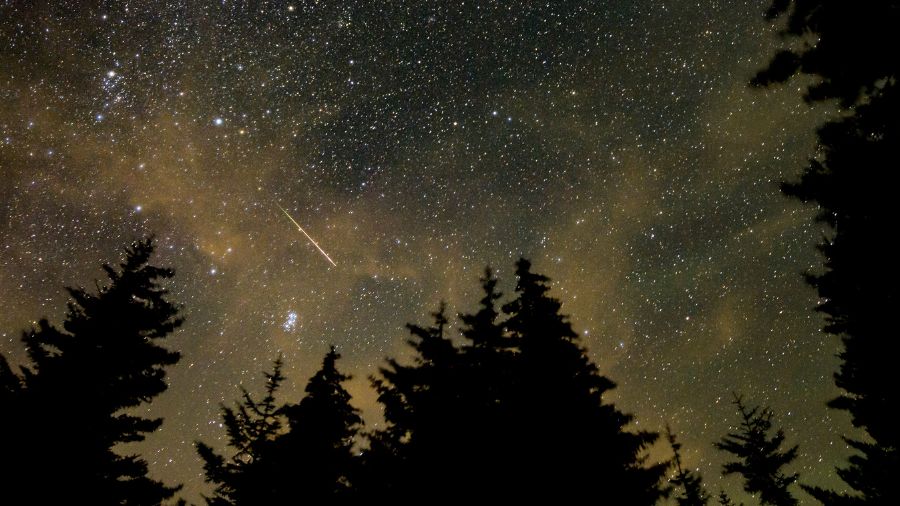
Northern lights shine over western Washington. (Photo courtesy of KIRO 7)
(Photo courtesy of KIRO 7)
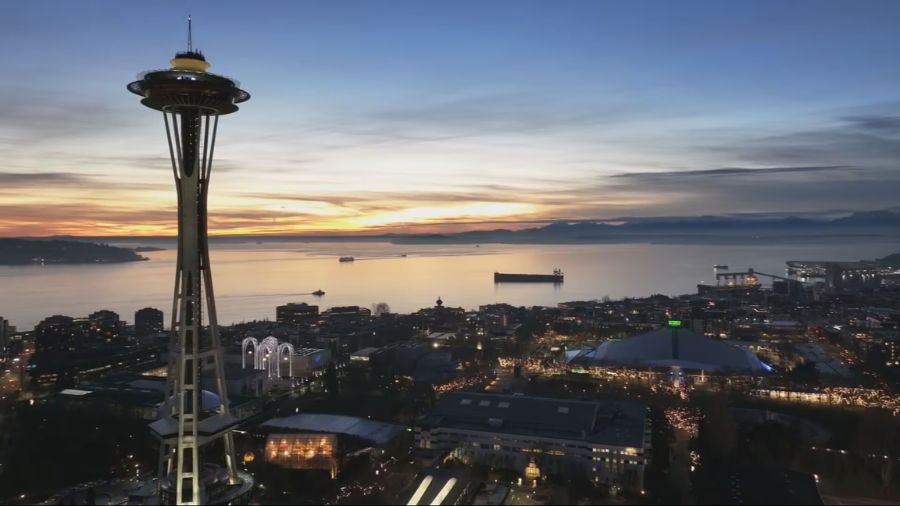
The night sky could put on a show Monday night as the northern lights may be visible in the greater Seattle area.
“There’s been a big G4-level coronal mass ejection on the sun,” Dana Felton, meteorologist with the National Weather Service in Seattle, said. “I’d say we’ve got a much better chance than normal of seeing the northern lights tonight.”
G4 storms rank near the top of the National Oceanic and Atmospheric Administration’s
(NOAA) 5‑level geomagnetic scale, and can push the aurora much farther south than normal.
Timing remains somewhat uncertain, but Felton said the best window opens this evening and extends through the overnight hours.
“There’s still a little bit of iffiness on when the solar storm is actually going to hit the Earth, but sometime this evening,” Felton explained.
Viewing conditions here won’t be perfect. Fog is expected to redevelop, especially across parts of the South Sound and the Chehalis Valley, potentially limiting visibility. Still, some areas will have a better shot than others.
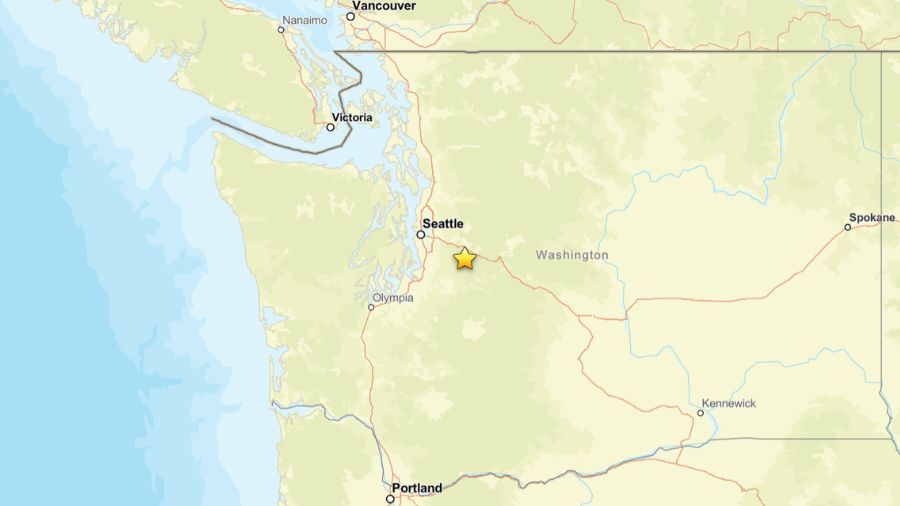
“Your chances are better as you go north,” Felton said. “The chances will be better up in Bellingham versus down here in the metro area.”
Right now, Felton puts the metro Seattle area’s odds of seeing the northern lights at about 50‑50. You’ll have a better chance of seeing them away from the city.
For areas farther north — especially Vancouver, British Columbia, and beyond — the odds are even better.
RELATED STORIES

Tips for viewing the northern lights
NOAA provided several tips for viewing the aurora, including where the best locations are and when the best times are to see it.
In order to find the best location to see the northern lights, NOAA advised people to locate the best vantage point, likely at the top of a large hill in the northern hemisphere with an unobstructed view toward the north.
“It should be noted that if you are in the right place under the aurora, you can see very nice auroral displays even with low geomagnetic activity,” NOAA stated.
Visibility also varies due to the amount of light surrounding the viewing area. Viewers should go out at night and avoid city lights for the best viewing experience.
A full moon will also lessen the apparent brightness of the aurora, though it does not affect the actual brightness of the northern and southern lights.
Lastly, timing is very important for viewing an aurora, which is generally within one to two hours of midnight, from 10 p.m. to 2 a.m.
“These hours of active aurora expand towards evening and morning as the level of geomagnetic activity increases,” NOAA stated. “There may be aurora in the evening and morning, but it is usually not as active and therefore, not as visually appealing.
NOAA also noted that some of the best seasons for viewing an aurora are around the spring and fall equinoxes.
Contributing: Jason Sutich, MyNorthwest
Read more of Aaron Granillo’s stories here.
Follow @https://twitter.com/aaronkirofm