Sunny now, El Niño soon; How to prepare
Sep 13, 2023, 2:30 PM | Updated: Sep 14, 2023, 1:24 pm
September is National Preparedness Month, and given the recent hot, dry weather, along with regional wildfires, smoke, and air quality concerns, people should take it seriously. This kind of weather is a key reason to prepare for Western Washington’s fall and winter weather in advance.
Now is the time to get ready for the potential of strong damaging wind storms, flooding and landslides, and lowland snow and ice. With three consecutive La Niña winters, El Niño is anticipated to return for this winter season.
More from Ted Buehner: Guide to safe driving for back to school season
To refresh, El Niño is when sea surface temperatures in the Eastern Pacific Ocean tropical waters, the waters west of Peru, are warmer than average. The warming of these waters usually results in the North Pacific storm track spending quite a bit of time across the southern tier of the U.S., from California to the Gulf Coast and the Southeast.
La Niña is when those same tropical Pacific waters are cooler than average, resulting in the storm track spending more time in the Pacific Northwest latitudes.
El Niño winters tend to be warmer than average. Historically, when compared to La Niña and ‘Neutral’ (around average tropical Eastern Pacific sea surface temperatures) winters, El Niño ranks last for significant lowland snow, wind storms and flooding. Even though the odds of these nasty storms are lower, they do and have occurred.
The wind storm season usually begins in October. The nation’s strongest non-tropical wind storm in American history occurred October 12, 1962, the Columbus Day Storm. Winds in the interior of Western Washington exceeded 100 mph, knocking down thousands of trees and damaging homes and utilities, and power was out for over two weeks. The region usually gets a strong, damaging wind storm about every 10 years, and the last one was the Hanukah Eve Wind Storm of December 2006. This region is way overdue.
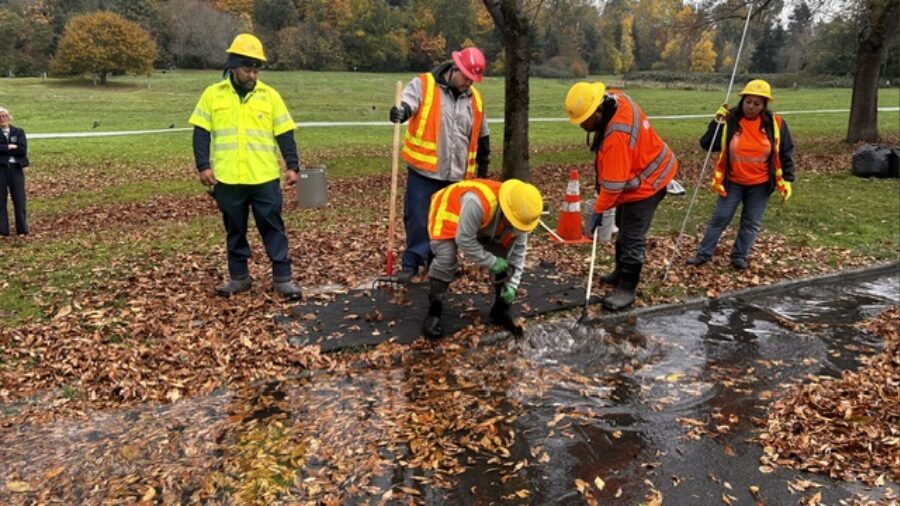
The flood season usually gets rolling in late October and runs through March. Flooding is number one for presidentially declared natural disasters in Washington. Given how a warmer global atmosphere holds more moisture, any storms that carry a higher volume of moisture can produce heavier rain amounts in the same time period.
More preparedness: Prepare for the next disaster at the Emergency Preparedness Conference
It is quite possible these wet storms could dump more rain and result in more significant flooding than in the past. This issue has been the case not only across the country in recent years but also around the world.
The lowland snow season typically starts in mid-November and extends into March. Snow not only disrupts transportation but often results in power outages as well. There are some El Niño winters that result in no lowland snow. Yet, of the top ten snowiest winters in the Puget Sound region, three were during El Niño winters.
Are you ready for these hazards or perhaps an earthquake, too? Now is the time to prepare.
For helpful tips and checklists for your home, car, pets and more, go to ready.gov or the CDC Winter Preparedness website. One key item for your home, business, school, health care facility, or place of worship is an NOAA Weather Radio All-Hazards, a lifesaver for the price of a pair of shoes.
Remember, when you are weather aware, you are weather prepared. To help protect you, your family and your business, get prepared during National Preparedness Month.
Ted Buehner is KIRO Newsradio’s meteorologist.