Low snowpack sparks concerns about water supply and early wildfire dangers
Apr 7, 2026, 5:56 AM

(Photo courtesy of KIRO 7)
(Photo courtesy of KIRO 7)
Warm, sunny weather across western Washington may feel like an early taste of summer, but experts say it’s raising concerns about wildfire risk and the region’s water supply.
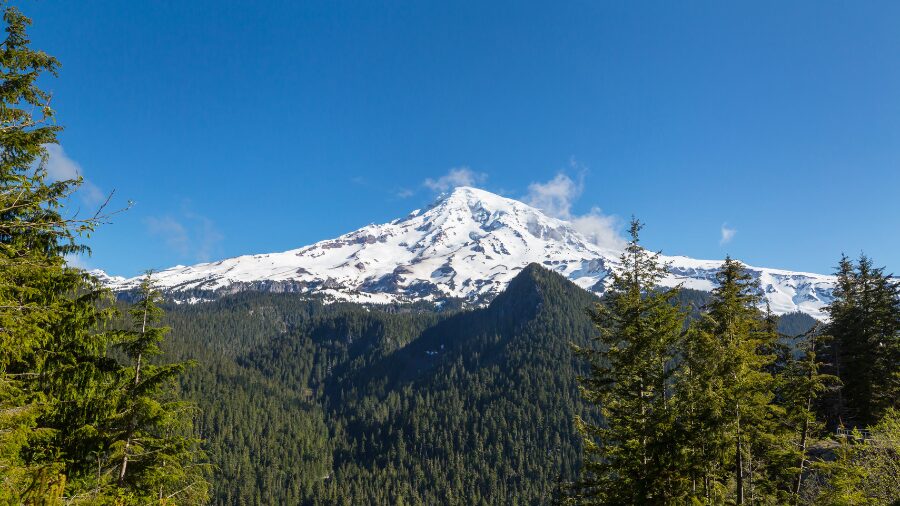
On average, Washington’s snowpack is at about 50% of its normal totals, according to the state Department of Natural Resources.
Seattle Public Utilities monitors snowpack and precipitation and said its records show this is the third-lowest.
“This year has not been a good snowpack year,” Elizabeth Garcia with Seattle Public Utilities said. “We’ve been watching it all season.”
The snowpack typically acts as a natural reservoir, slowly releasing water into rivers and watersheds through spring and summer. SPU relies on the Tolt and Cedar River watersheds to supply drinking water to about 1.6 million people.
Officials say the issue isn’t a lack of precipitation, but how it fell. A warmer winter meant much of it fell as rain rather than snow, leaving less water stored in the mountains. That shift is already affecting conditions on the ground.
The Washington Department of Natural Resources (DNR) said the rain over the winter, combined with warmer temperatures, is fueling early and rapid grass growth, especially in fire-prone areas east of the Cascades.
“Growing a lot of fuels is a pretty big risk factor for wildfire season,” Matthew Dehr of WA DNR said. “The more fuel that’s on the landscape, the more fuel available to burn.”
While low snowpack doesn’t guarantee a severe fire season, officials said it’s an early warning sign.
“It’s a really good first look at where we might be headed,” Dehr said, adding that steady rain through May and June could still improve conditions.
Water resource managers, like Garcia, are also watching closely. During peak summer days, Seattle Public Utilities said demand can reach up to 190 million gallons per day.
Without strong snowpack, utilities may need to rely more heavily on stored water in local reservoirs, and if things get worse, water restrictions may go into effect in June or July.
For now, though, there are no calls for water conservation.
“We’re not asking our customers to change anything,” Garcia said. “Right now, we’re just asking them to continue to use water wisely.”