86 of 114 King County juvenile cases diverted in July — prosecutors say context matters
Aug 31, 2026, 10:03 AM
A King County Prosecuting Attorney’s Office badge. (Photo courtesy of King County)
(Photo courtesy of King County)

The vast majority of juvenile cases diverted from traditional prosecution in King County last month involved low-level misdemeanors that state law required prosecutors to keep out of court, according to new data released by the King County Prosecuting Attorney’s Office.
Of 114 juvenile cases handled in July, 86 were diverted or otherwise kept out of the traditional court system, the office reported. But prosecutors cautioned against reading those numbers as a sign of leniency on serious crime.
“When everybody hears juvenile crime, they think of the stories that they hear in the news: shootings or robberies or carjackings or really serious crimes,” said Casey McNerthney, a spokesperson for the King County Prosecuting Attorney’s Office. “But when you hear the context, which is only one of those was a felony case, and it was non-violent, and the overwhelming majority of those diverted cases were mandatory diversions under state law, it’s a very different picture,” he told “Seattle’s Morning News.”
RELATED STORIES



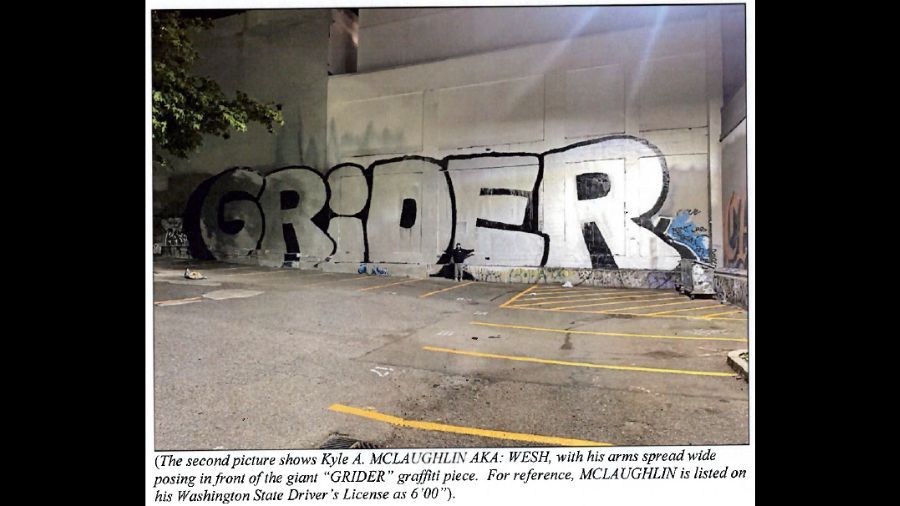
The only felony diverted in July involved spray-painting a highway wall
State lawmakers have required prosecutors across Washington to divert certain non-violent misdemeanors into programs designed to change young offenders’ behavior rather than route them through the courts, McNerthney said. Class A felonies, gun crimes, carjackings and armed robberies are not eligible for diversion.
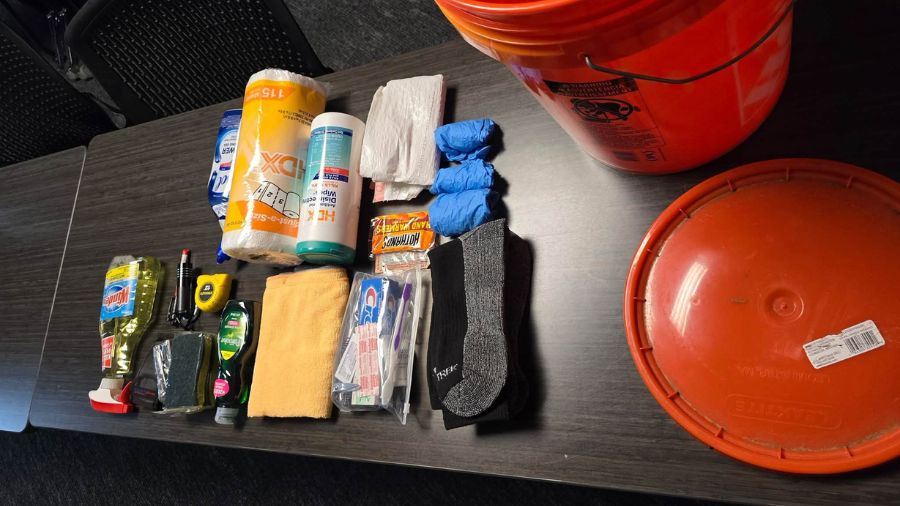
The sole felony case diverted in July involved a juvenile caught by the Washington State Patrol spray-painting a highway barrier wall. The dollar amount of the damage elevated the charge to a felony. The juvenile had no prior history, cooperated with troopers, and was placed in the Safe Start Track program, which provides mentoring to young people involved in low-level property crimes.
Diverted cases can follow four tracks: court diversion, the Family Intervention and Restorative Services program for domestic violence cases, Safe Start Track, and Restorative Community Pathways. King County prosecutors have said they will not send felony cases to Restorative Community Pathways, which has drawn public scrutiny.
The office also released data on gun cases, reporting that prosecutors filed 39 cases involving firearms in July. Of those, 35 involved adults. The four juvenile gun cases were prosecuted through the traditional court system, not diverted.
Seattle accounted for 22 of the 39 gun cases, a share McNerthney attributed to the city’s large population. Several other King County cities reported low numbers: Federal Way and Tukwila each had one case, Des Moines had two and Auburn had three.
McNerthney said the data aligns with a broader decline in violent crime across King County but cautioned against crediting any single factor.
“It’s hard to say exactly what has led to the drop in violent crime, and we would certainly like to take credit, but I don’t think that’s fair to say it’s exclusively prosecutors,” he said. “It’s a combination of things. It’s both police referring cases and prosecutors charging them. It’s also the community stepping up and doing their part and some of these mentorship programs actually working.”
The shift from pandemic-era crime trends has also played a role, he said.
Detailed summaries of each case are available on the King County Prosecuting Attorney’s Office website.
Manda Factor is the host of “Seattle’s Morning News” on KIRO Newsradio. Follow Manda on X and email her here.