I-1631: Washington’s latest carbon fee proposal
Jul 2, 2018, 6:20 AM | Updated: 6:34 am
After repeated, and failed, attempts to add a fee to carbon pollution in Washington state, the people behind a grassroots effort believe they have a plan everyone can get behind — except the oil industry.
RELATED: Climatologist on how to make a carbon tax work in Washington
“Our initiative is a pollution fee on the largest polluters in Washington state,” said Nick Abraham with Yes on 1631. “We are investing in cleaning up pollution across the state, investing in clean energy, and putting that money back into our natural resources so that communities across the state can transition into a clean energy economy.”
Initiative 1631 is going straight to voters, bypassing lawmakers in Olympia.
Governor Jay Inslee recently proposed a carbon tax this year. That proposal failed. Another carbon emissions initiative failed in 2016.
Abraham says there are a few differences with the current initiative than previous attempts.
Abraham says I-1631 has the largest coalition of support in the state’s history. Building that coalition takes longer and more effort, but it makes the initiative stronger in the long run.
“On a policy level, the biggest difference is that this is reinvesting in the things we know help make Washington state the beautiful, healthy place that we have today,” Abraham said. “So trying to make sure our air is clean, our drinking water is healthy.”
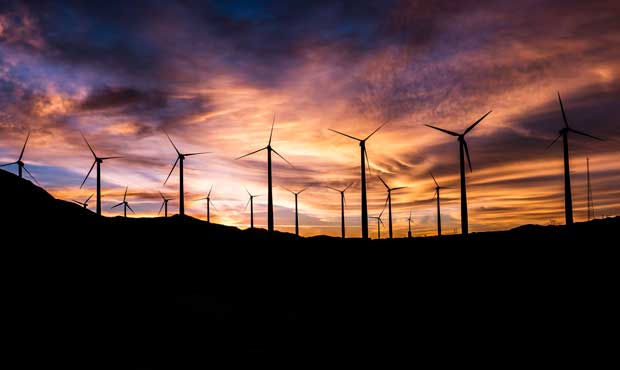
It is aimed at supporting clean energy industries like wind and solar.
Initiative organizers have already reached the 260,000 signatures required to get I-1631 on the November ballot. They turned in those signatures in June.
I-1631
I-1631 proposes to institute a $15 fee per metric ton of carbon starting in 2020, and an incremental increase of $2 (adjusting for inflation) each year. There are exemptions for manufacturing and “trade-exposed businesses, those companies that have to compete on a global scale,” Abraham said.
“The charge is not directly put on taxpayers, it’s on the roughly 100 largest polluters in the state, like the oil industry, and utilities that have not yet switched over to clean energy,” Abraham said. “We feel like the folks who have been causing the most damage, the most harm should be the ones paying the fee.”
The other main difference between similar carbon charge attempts is that I-1631 is a fee – as opposed to a tax. A fee, Abraham says, means that the money raised must go toward the issue of carbon pollution. A tax means you can take the revenue and put it toward various purposes.
“The breakdown of what we are investing in, 70 percent of this is going to go to clean energy, clean transportation, energy efficiency for folks’ homes … 25 percent is going back into state natural resources because we know that is some of the best ways to clean up pollution,” Abraham said. “The last 5 percent is going to community groups transitioning folks from dirty energy, helping them transition to clean energy.”
“We know this will reduce 20 million tons of pollution across the state every single year,” he said. “And we know from several different studies is that this will create about 41,000 jobs.”
Read the full text of the initiative here.
Transportation
Some investments, Abraham notes, will go toward opening up options for gas-buying consumers.
“We are trying to invest in alternatives and more options at the pump,” he said. “We know in the long run that is going to reduce the cost people pay at the pump. Right now, oil companies have a complete monopoly on how folks fuel their cars and get around. In the long run, we know the best ways to reduce those costs is to give people more options and make these companies compete for people’s business.”
Oil companies are the main, and only, opposition to I-1631, Abraham says. That means there could be short-term effects on consumers. Initiative organizers encourage voters to take the long view.
“We are encouraging voters to think about the things they have been telling us are their biggest concerns,” he said. “Their health and how to build jobs in an economy for the future. Washington has one of the strongest economies, but that is because we have always had a forward-looking view. We’ve always invested in things we know are coming down the line. And clean energy is the future. It’s already being built in the state. If we invest in clean energy right now, it will pay dividends for decades to come.”
Follow @http://twitter.com/Mynorthwest