
State Health Department doctor on why mosquitoes really like to bite you
Jul 25, 2019, 12:59 PM | Updated: Oct 11, 2024, 9:33 am
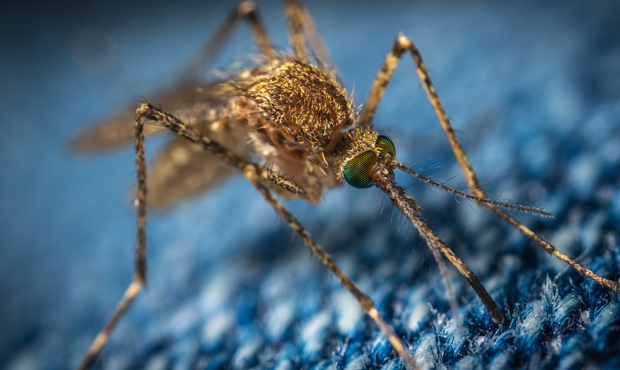
(Photo by Егор Камелев on Unsplash)
(Photo by Егор Камелев on Unsplash)
A couple of weeks ago I went camping at Walupt Lake near Packwood, WA and hiking at Mt. Rainier National Park. By the end of the weekend I counted more than 50 mosquito bites on my body, something I have not experienced in the 14 years I have camped and hiked around Western Washington.
How to realistically join the Zero Waste movement
On Monday, coworkers and friends chimed in, reporting an equally itchy and dramatic number of bites. So I called Dr. Liz Dykstra, public health entomologist for the Washington State Health Department, and asked her if there is an abnormally large mosquito population out this summer.
“Probably not. It’s probably more a factor of where you were. We do have spots here in Western Washington where it can be very mosquito-y if you happen to be near some good mosquito habitat.”
Dr. Dykstra says one of Western Washington’s most populous mosquitoes prefer to lay their eggs near boggy, marshy areas.
“This time of year right now, basically late June through late July, is peak mosquito season in western Washington.”
Throughout the course of My Mosquito Weekend, I slathered myself in DEET, sprayed super-strength spray around the perimeter of the campsite, and tried some natural mosquito deterring products, like bracelets. But does the natural stuff actually work?
“You don’t have to go DEET,” said Dr. Dykstra. “I think it’s what works for you. There are several repellents out there that have been tested and shown to be effective. You have your DEET, your Picaridin, oil of lemon eucalyptus; all have been shown to be effective. If you’re one of those people who are very attractive to mosquitoes, DEET might be the one because that still has been shown to be the most effective one for the longest period of time.”
Why mosquitoes love you
It’s not your imagination: Mosquitoes are more attracted to certain people. Dr. Dykstra says it has to do with a person’s body chemistry and the scent you give off. But hiking and getting sweaty can add to your attractiveness.
“Lactic acid buildup when you’re exercising and sweating. You’ve got your heart rate up so the blood is definitely closer to your skin, your veins are expanded, so you’re breathing out a lot of carbon dioxide which is something they are also attracted to. You’re creating more heat as well. Those are all things that mosquitoes are going to tune in to.”
Mosquitoes are also attracted to pregnant women.
“Again, you’re creating more heat when you’re pregnant,” said Dr. Dykstra. “Part of pregnancy is you’ve got a mix of different hormones that could also play a role in attracting mosquitoes to you.”
Speaking of women, it’s only the females who bite.
“Males, they are there to sip nectar and mate with females,” Dr Dykstra laughs. “That’s their life!”
If you’re seeing a lot of mosquitoes around your home, there are some easy things you can do.
“Get rid of standing water, clean your bird bath out twice a week,” she advised. “If you have plant pots and the little saucer underneath, don’t let water stand in that.”
Mosquitoes are universally hated by humans, but Dr. Dykstra says being a mosquito ain’t easy.
“It’s a pretty hazardous life as a mosquito,” she described. “When you’re out there and you’ve got bats flying around trying to eat you, birds will happily eat you, [they have to] avoid being slapped and crushed [by people]. Pretty harsh life.”
Admittedly, I don’t have much empathy for them.
“Most people don’t,” Dr. Dykstra agreed. “I look at it in a more ecological view — they’re also part of our world and they serve a purpose, whether it be food or helping a pathogen survive from one host to another. I look at it in that respect and I find it very interesting.”
West Nile virus does exist in Washington state and the Department of Health has a map that lets you check on areas where it has been detected.