Study: Staying in standard time leads to more deer-vehicle collisions
Jan 26, 2023, 3:46 PM
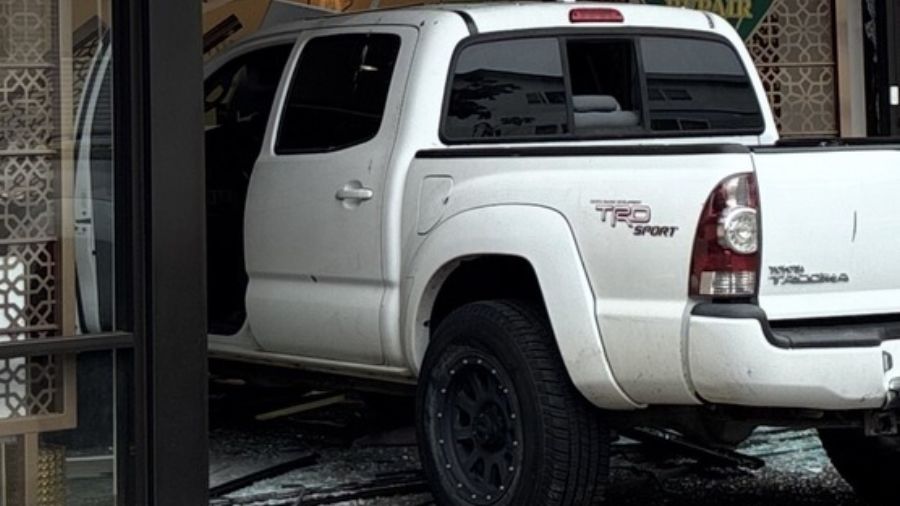
When we turn our clocks back in November we fall back to standard time. When that happens, we increase our chances of hitting deer because they come out in abundance at night.
A group of UW scholars studied deer collisions and found turning the clocks back in November leads to a 16% hike in deer-vehicle collisions.
We spoke to Associate Professor Laura R. Prugh about the study and she said, “Deer mating during this season is called the rut in the fall. So the male deer in particular are hopped up on hormones and looking for mating opportunities and moving about twice as much as they normally do. And not paying — they’re a bit distracted — or maybe not paying attention to cars, or predators or things like that, like they normally are, they’re searching for females. And so you generally get a big spike in collisions in the fall.”
Seattle to experience first 5 p.m. sunset of 2023
When the scholars graphed this out, they found that peaking collisions coincide almost perfectly with the timing of switching our clocks back.
“It’s kind of a perfect storm, where you already have this period of increased collision risk, and then we go and suddenly change,” explained Prugh. “You know, from the deer’s perspective, we suddenly change the timing of when our traffic is and we move it to the dark when we can’t see the deer as well. And so we found that resulted in a 16% increase in deer-vehicle collisions when we compared collision rates the week before the switch and the week after the switch.”
We are currently in daylight saving time for eight months of the year from March through November, and then we switch to standard time from November to March. That switch to standard time leads to more daylight in the morning and darker evenings. Prugh said we see a lot more traffic in the evening and more collision risk.
“Let’s say we stayed on standard time throughout the year, because everybody hates switching clocks, right?” Prugh said. “Then the question is, should it be daylight saving time? Or should it be standard time? And our analysis shows, if we go with permanent daylight saving time, we would reduce collisions, prevent human injuries, and save collision costs. If we went to permanent standard time, we would actually increase collisions by 73,660 and 2.4 billion in extra collision cost.”
In the last session of Congress, the Senate passed the “Sunshine Protection Act” making daylight saving time permanent, but the House didn’t vote on the issue.
Follow @https://twitter.com/onairmichelle