After IVF, what to do with leftover embryos?
Oct 27, 2016, 5:11 PM | Updated: Oct 11, 2024, 9:56 am
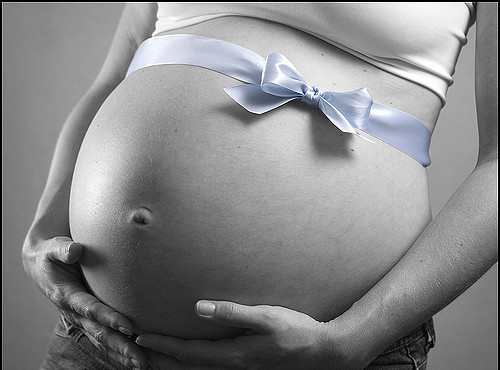
(Photo by CC Images, Meagan)
(Photo by CC Images, Meagan)
By the time women turn to IVF, the expensive, emotionally and physically taxing road to pregnancy, they are determined to have a baby. They are pumped full of hormones, so they can produce lots of eggs, and then the eggs are harvested, mixed with sperm and then implanted back in the body in the form of an embryo, with the hope that it will stick and make a baby.
Usually many embryos are created, but if all goes well they won’t all be used. So what happens to those leftover embryos? A few things, which writer Sarika Chawla explains in her Washington Post article, How my IVF baby made me reconsider my view of IVF.
Chawla now has a 3-month-old daughter, conceived using IVF. She had three remaining embryos and many choices of what to do with them. She chose to donate hers to scientific research.
“When I saw that you can donate them to another person, I was like, ‘No! That’s not possible. I’m not going to have someone else raising my child. That’s my genetic child running around out there.’ Destroying them seemed wasteful. I do have friends who did that because they didn’t really want their genetic material floating around in the unknown of scientific research. That seems like not a great route for me because you’ve put in so much effort, so much heart and soul into creating them. I didn’t want to just destroy them. Another option that wasn’t in the paperwork, but I read about, is you can have them transferred back into your body at a time you can’t get pregnant. So it’s as if you created these embryos naturally and they just don’t take.”
You can also freeze them indefinitely. Chawla reports that nearly 400,000 embryos had been frozen and stored since the late 1970s. There are probably more on ice now.
These embryos bring up moral and ethical questions.
“I thought about the morals of it and the ethics. I’m an atheist and so my instinct was: these are not people, these are cells. My heart and my mind both said that to me at the beginning, that these are just clumps of cells. Someone once told me there are only eight to 16 cells in an embryo, it’s a very simple life form. Which is why scientific research made the most sense. After I got pregnant that’s when things started to change a little bit, where you start seeing them as potential babies. I see my daughter and I’m like, wow, if any one of those other embryos had been in me, who would that person have been? It does take on a different layer once I actually got pregnant.”
For Maia Abbey, the choice to donate was obvious. After a decade of dealing with infertility, Abbey used IVF to have her twin boys. She donated her remaining 10 embryos to a woman she met on an infertility chat room.
“She had lost a baby that was also a donated embryo,” Abbey says. “I kind of felt compelled to give them to her. When she was ready I signed them over to her. The second transfer resulted in baby Emerson and she is almost nine months old now.”
Usually donations are anonymous, but Abbey only wanted to donate to someone who would remain in her life. So far she has met the baby twice, but she is clear that she is not that baby’s mother.
Unlike adoptions, donating an embryo is easy. It’s just simple paperwork, no lawyer necessary since the embryo is considered property, not a person. Abbey gave her embryos away for free.
I asked her why it was such an easy decision for her, while most people would never donate.
“Because they can’t get past that someone else will be raising their child. That’s just not the way to be looking at it at all. I mean, genetically it’s their relative. But that’s it.”
Abbey also believes that human life is formed at conception and that every embryo deserves a chance at life. She has also donated her eggs for free, to another infertile woman she met online.
Chawla hopes that, in the future, the science of fertility will improve so we won’t have to create so many wasted embryos.
“It feels a little bit like the Matrix, it feels like we got into this science without thinking it through,” Chawla says. “That’s kind of how I got into IVF. I got into it and didn’t think of how I was going to feel after the fact. I think it’s a shame, I think it’s unfortunate there are so many embryos out there. Whether you choose to use them for medical research, whether you choose to donate them, I just feel like some decisions need to made as opposed to just keeping them in storage for perpetuity because that feels wasteful.”