From coyotes to forest floors, a Seattle man is spending a year capturing the natural sounds of the Pacific Northwest
Apr 19, 2016, 4:26 PM | Updated: Oct 11, 2024, 10:01 am
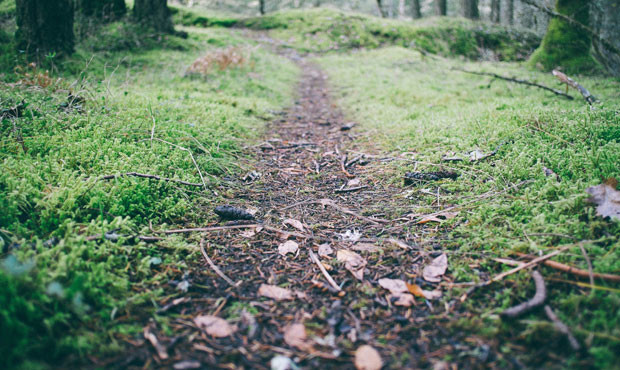
Andy Martin says if you listen closely, forests sound different. (Creative Commons/Paul Jarvis)
(Creative Commons/Paul Jarvis)
A coyote howls at midnight, north of White Salmon, Washington. Water flows over rocks in a creek in the Mount Baker Snoqualmie wilderness. And Seattle’s Andy Martin was there to capture it.
“I’m a sound designer and sound recordist, primarily for video games. I record and make sound effects.”
But recording a chorus of frogs in the middle of the night at Seattle’s Magnuson Park, in order to avoid any traffic noise, is Andy’s passion project.
“The Northwest Soundscapes Project is a one year project to record and document soundscapes throughout the northwest,” Martin says, in the parking lot at Tiger Mountain. “To build up a library that media professionals, sound designers and video editors would use. But also to build a living document of what our remaining wilderness natural soundscapes are like.”
Of course, there are already plenty of recordings of creeks and birds and frogs out there. But Andy wants samples specifically from the Northwest. Like a recording of a Red Tailed Hawk from a summer morning at Trout Lake. He says if you really pay attention, forests sound different from one another. Beaches sound different from one another.
“You’ll find simple, obvious differences. The different migratory birds or insects that you might have in one area versus another. But then there’s also a difference in the way sound carries through the forest. For instance, if you’re in an evergreen forest with lots of conifers and lots of cedars and lots of needle based trees and a light wind blows through, you’ll get that light pattering of needles as they fall through the canopy. Versus an area with lots of deciduous trees, like cottonwoods, you’ll get kind of a rattling as the leaves brush up against each other. The density of the trees and the size of the trees and the hard wood of the trees will change the way that sounds flow through the forest.”
Documenting nature is not a quick process. Martin says it can take hours of hiking to get away from the sounds of cars and people, so he can get a clean and pure recording.
“It’s not fast. One of the sort of holy grails of sound recording, for nature recordists, is a dawn chorus. It’s that brief period just before the sun comes up over the edge, to when it’s fully up in the sky, where the wildlife just comes alive. Everyone wakes up from their nests and there’s this sort of great eruption that will happen, of wildlife. To honestly make sure that you’ve caught the dawn chorus, you need to be their early, everything needs to be on and you record. You sit very, very, very still and hopefully you’re in a good spot for it. Otherwise, you have to come back the next day and point your microphone in a slightly different direction.”
Andy likes hiking and camping, but he’s says he’s mostly a city guy. So this project was the perfect excuse to get outside to places he’s never been before and to work with the medium he loves most.
“Sounds can change our emotions. Sounds can sadden us, sounds can anger us, they can make us hurt, they can make us cry, they can make us laugh. They can make us happy, they can make us calm. There’s something about that ability to tap directly into human emotions and human subconscious without needing an image to go with it. That intrigues me.”