Why is it difficult for us to talk about Critical Race Theory?
Jun 6, 2021, 8:16 AM | Updated: 12:16 pm

A Minnesota Twins player wears an End Racism shirt during batting practice before the game against the Kansas City Royals at Kauffman Stadium on June 3, 2021 in Kansas City, Missouri. (Photo by Kyle Rivas/Getty Images)
(Photo by Kyle Rivas/Getty Images)
Some don’t know what it is, others have already formed opinions, and the political divide grows as America grapples with Critical Race Theory, especially in public schools.
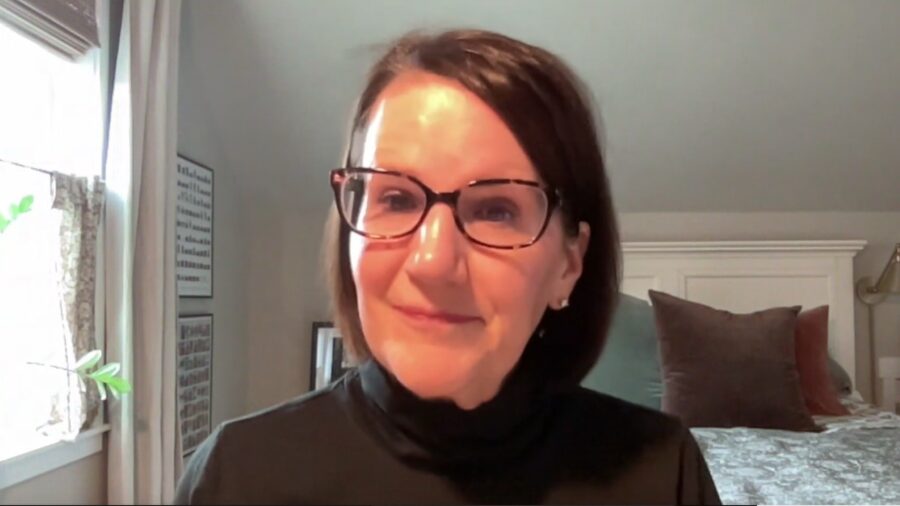
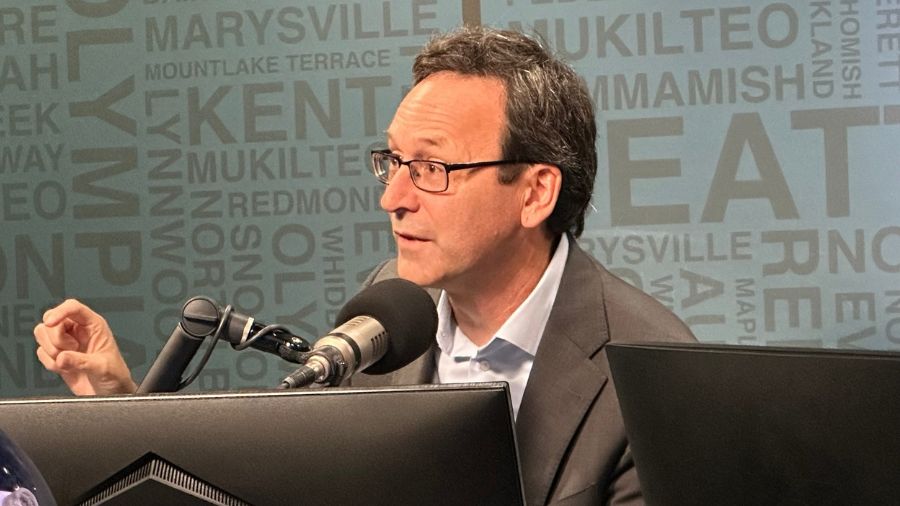
To help answer questions, KIRO Radio’s Gee and Ursula Show invited on Dr. Jeremiah Sataraka, who received a doctorate in Cultural Studies at Washington State University and will teach Ethnic Studies at California State University, Bakersfield this fall.
G&U: What is Critical Race Theory?
Sataraka: Critical Race Theory is a framework. Theory is in its name and the definition of theory is how we explain or answer the questions we have about the world. It’s a framework of viewing the world. Particularly, it emphasizes how the law — the system in the United States — and race and racism have impacted the lived experiences of everyone, but particularly for people of color. It stems from a field of Critical Legal Studies — where there was noticeable absence of viewing race and racism as an integral part of how laws have impacted lived experiences. That race and racism is embedded in society.”
G&U: How prevalent is Critical Race Theory in schools and how early does it start?
Sataraka: That’s a great question. And, honestly, I don’t think it has been that prevalent. When I was a student, we heard the same story about Christopher Columbus coming to America. I never knew about the Tulsa Massacre. I had no idea about the Indian Residential Schools that we recently heard about the 215 children and the grave that was found in Canada. That’s also in American history — we also had a lot of Indian Residential Schools. A lot of that is missing. I would say Critical Race Theory hasn’t been taught in schools. I feel like we’d be having a different conversation more on the substance of what it is rather than people being scared to talk about race — to talk about what it means to be living in a racist system. I think it’s really a smoke screen. I don’t think the purpose is to necessarily make sure that Critical Race Theory isn’t taught in schools. It’s really to make schools, government, businesses afraid to even approach topics of race and racism and how that really has impacted the history and contemporary lives of Americans.
G&U: What are some examples of Critical Race Theory teaching kids to be racist? That is one of the criticisms we’re hearing.
Sataraka: We, as a country, have not developed the necessary tools to talk about race in a productive and healthy way. When you hear terms like ‘white privilege’ or ‘white fragility’ or ‘racist,’ there are a lot of definitions as to what that is. From a Critical Race Theory perspective, we’re looking at race and racism at an institutional level, not as interpersonal, individual level. We’re looking at laws and policies. I think we have confused the way that we have defined racism. A lot of times we think of it as the KKK, we think of it as the videos that go viral when we see people attacking another person because they’re Black or they’re Asian. We don’t have a good understanding and the ability to talk about how racism functions through things like housing segregation, through things like schooling and policies, through business, through healthcare. I think that’s a big point of confusion for a lot of people.
G&U: I think another thing people believe is that Critical Race Theory is just talking to white people.
Sataraka: The way that it’s been framed, from a lot of conservative Republicans, is that it’s an attack on white people. That it’s making white children, in particular, feel guilty about being white, that white children are the reason for all the racial ills that we’re seeing now and experience, and that’s just not true. People’s misunderstanding and ignorance of the history and how racism has functioned in the U.S. and continues to do so is just a misunderstanding and an ignorance of that history. We tend to couch these abstract ideas in everyday lived experience, such as schools, to make it seem like it’s a huge threat. Talking about race and racist history is not racist. What we’re doing is acknowledging the problem. A lot of people think that because the Civil Rights Movement happened, that we don’t have slavery, that we don’t have segregation — which I would argue we do — formally, that racism is no longer an issue. That’s coming from a color-blind perspective, where we want to believe in a world that doesn’t treat people based off of skin color. That also impacts white students. It impacts their ability to think about their own identities, how they relate to people who are different from them.
If anything, it’s worth it for people to read more about Critical Race Theory. That’s one of the big things that I try to tell people. You should at least read a book before you have a conversation with me about it.
Listen to Gee and Ursula’s interview with Dr. Jeremiah Sataraka about Critical Race Theory and why Americans find it so difficult to talk about racism.
Listen to the Gee and Ursula Show weekday mornings from 9 a.m. – 12 p.m. on KIRO Radio, 97.3 FM. Subscribe to the podcast here.