Seattle City Council passes legislation creating SODA, SOAP zones
Sep 17, 2024, 9:21 PM | Updated: Sep 18, 2024, 4:15 am

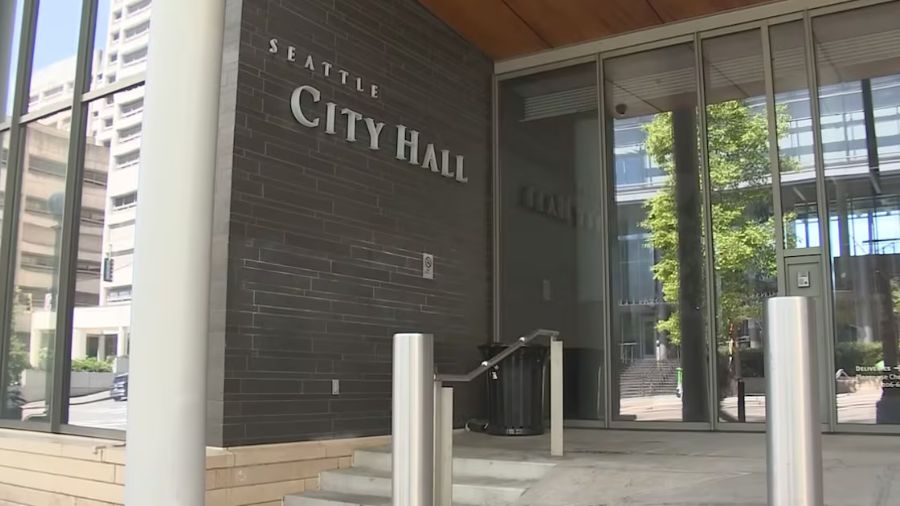
The Seattle City Council passed legislation establishing SOAP and SODA zones during a meeting held on Tuesday, Sept. 17, 2024. (Image courtesy of The Seattle Channel and the Seattle City Council)
(Image courtesy of The Seattle Channel and the Seattle City Council)
The Seattle City Council passed legislation Tuesday night that creates “stay out” zones to crack down on prostitution and drug crimes in some of the busiest areas of the city.
“Stay Out of Drug Areas” — known as SODA zones — would prevent people from re-entering parts of Downtown Seattle if they’ve been tied to drug crimes. The legislation lists six SODA zones in the city.
The creation of the SODA zones authorizes the courts to stop a defendant from entering one of the designated areas in the city if they commit a drug-related criminal offense in that zone a news release the council issued after the vote explained. The bill, which was introduced in partnership with City Attorney Ann Davison, provides additional ways to reduce drug-related criminal activity in key public areas.
Seattle’s “Stay Out of Area of Prostitution” or “SOAP” ordinance bans people from Aurora Avenue, if they have been convicted of crimes tied to sex trafficking in the area.
The SOAP bill, which was introduced by Seattle City Council member Cathy Moore (District 5), is intended to fight commercial sexual exploitation and the violence associated with it, a separate council news release published Tuesday night states. The legislation includes a ban on “loitering for buying, selling or promoting prostitution. In addition, an independent provision allows a judge to issue a SOAP. As of now, the only SOAP zone is on Aurora Avenue in the North Seattle area.
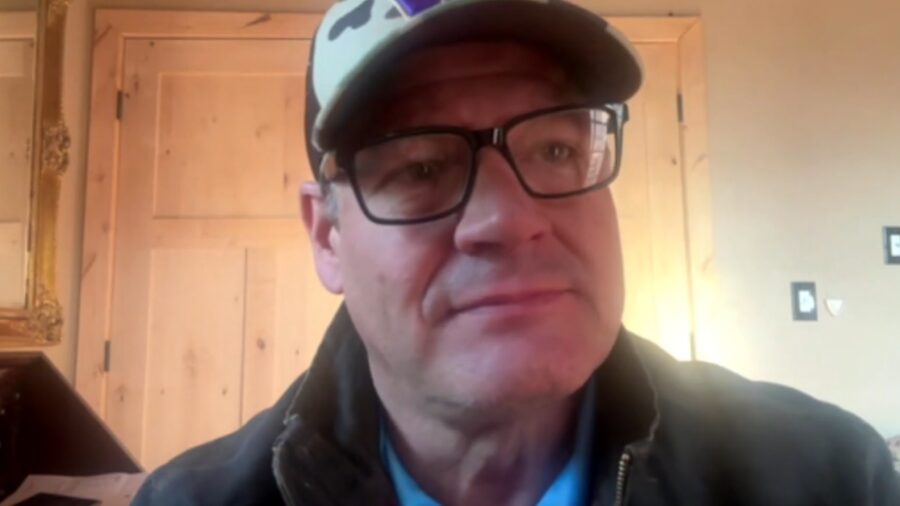
“I think this is an important additional tool for the law enforcement officers that we do have,” Davison said on KIRO Newsradio’s “The Gee and Ursula Show” Tuesday morning. “We are trying to help make sure that we have a recovery of our public spaces so that they are safer, accessible and available for everybody to go through them, to get to where they need to go and to enhance safety in the process.”
‘The goal is disruption:’ Davison discusses SOAP laws curbing Seattle sex trafficking
More on the SODA zones
Initially proposed SODA zones included areas of Downtown Seattle (Belltown) and the International District, the council said in its news release. Later, the bill was amended to add additional areas in Belltown, Capitol Hill, the University District, and Pioneer Square.
“Our neighborhoods have been hurting for too long,” City Council member Bob Kettle (District 7) said in a statement.” We need to start with those in need but this bill will help us build back community for neighbors, residents, small business owners, and employees who have been suffering from the crime that accompanies the illicit drug activity.”
Kettle also chairs the Public Safety Committee.
In a statement, City Council member Rob Saka (District 1) said this legislation delivers a message to the community about the importance of safety.
“Criminal behavior is no longer tolerable on our streets. This legislation sends a strong message to the public that this Council has heard their demands for stronger safety measures,” Saka said. “This policy is narrowly tailored to address key hot spots in our city where we know dangerous drugs like fentanyl are especially prevalent in our communities.”
Davison explained to “Gee and Ursula” that the proposed zones would occupy less than 0.5% of the approximate 83 square miles the city encompasses.
In her statement, council President Sara Nelson (District 9) explained this legislation implements the city auditor’s report that a place-based approach to drug crimes would work for Seattle due to the city’s “limited police and human service resources.” (A PDF of that report can be viewed here.)
“We absolutely must do more to disrupt the drug market downtown,” Nelson said.
Looking at the SOAP legislation
The city council bill that allows judges to establish SOAP zones passed by an 8-1 margin. It also includes a ban on loitering for buying, selling or promoting prostitution.
For Aurora Avenue, the potential SOAP zone would stretch from North 85th Street to North 145th Street.
“Sadly, we are known across the country, if not the world, for prostitution and sex trafficking in the north end of Seattle,” Davison said to “Gee and Ursula.”
In a separate statement about the legislation, Moore called the passage of this legislation “a victory for the safety of our community along Aurora Ave N” who have faced gun violence as a result of “commercial sexual exploitation.”
“This legislation also sends a clear message to those who perpetuate and profit from the harm and trauma of commercial sexual exploitation that there will now be consequences for their actions,” Moore said.
Nelson’s statement was clear: addressing the sex trafficking along Aurora Avenue “demanded action now.”
“Bottom line: doing nothing is not an option and, while not a silver bullet, this bill establishes additional tools to disrupt the criminal activity that is concentrated along the corridor,” Nelson said.
More from Seattle: DoorDash to implement new fee amid frustrations with the city council
Morales speaks out after voting ‘no’
Council member Tammy Morales (District 2) was the lone council member who voted “no” on the legislation. She released a separate statement condemning what was passed, noting that, in her view, the city has been here before and the existing problems weren’t fixed.
“The City of Seattle had both SODA and SOAP zones for over 20 years and research has proven these orders did not reduce drug use or human trafficking,” Morales said.
Saying she was “truly disheartened that we are having these conversations again,” Morales called for a different set of answers to address Seattle’s issues with drugs and prostitution.
“We need real solutions to address the public health and safety crises on our streets,” Morales added in her release. “That’s why my office has been urging the council to follow the recommendations detailed in our city auditor’s report which provides a road map on how we can take an evidence-based approach to address where overdoses and crime are concentrated. Instead, this legislation will intentionally make it more difficult for people to access critical services across the city.”
Contributing: Frank Sumrall, MyNorthwest; KIRO Newsradio news desk
Steve Coogan is the lead editor of MyNorthwest. You can read more of his stories here. Follow Steve on X, or email him here.