Two SPD officers spotted a fire at 5 a.m. What they did next saved lives
Sep 3, 2026, 8:29 PM

Seattle officers responded to a fire in Cherry Hill. (Photo courtesy of SPD)
(Photo courtesy of SPD)
They started the shift looking for crime, not fire.
But just after 5 a.m. Monday, two Seattle Police Department East Precinct officers were on routine patrol in Cherry Hill. At that hour, the streets around 16th and Madison were mostly empty, with dark storefronts and little traffic. Then they saw it: an orange glow in a second-story window, followed by visible flames. In that moment, their job changed.
The officers pulled to the curb and got out. Instead of waiting for fire crews, they moved toward the building. Their role shifted from crime-fighters to first responders.
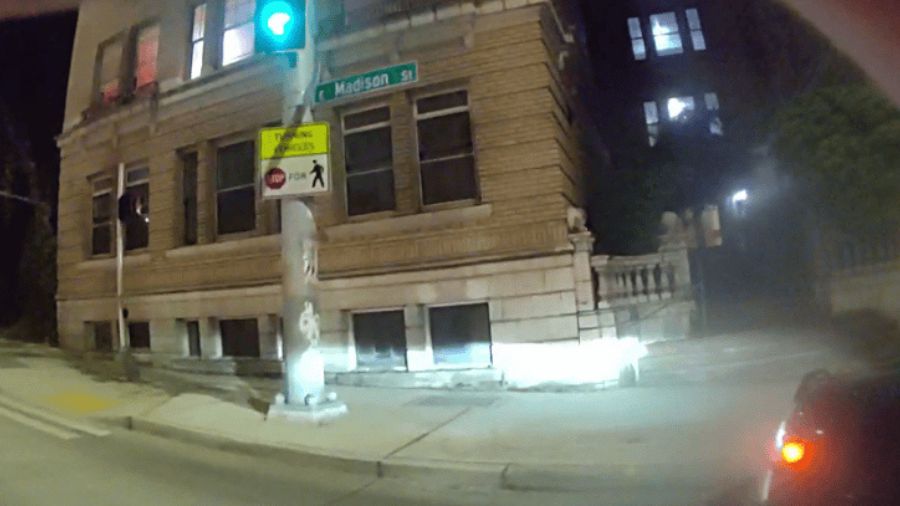
A photo of the building fire in Cherry Hill. (Photo courtesy of the Seattle Police Department)
The front lobby door was locked, so they broke the glass and went inside. Smoke was already building. They headed up the stairs toward the unit where the fire was burning. At the apartment door, they pounded and kicked, calling out to whoever was inside. A 28-year-old man, confused and disoriented, eventually opened the door, and smoke poured into the hallway. The officers got him out of the unit and away from the worst of the smoke. But before they left the doorway, they asked, “Do you have any pets inside?” If there were, they were prepared to go back in, but no pets were inside.
While the first officers focused on that unit, other officers from across the East Precinct were already on their way. When they arrived, they didn’t form a crime scene perimeter. They entered the building.
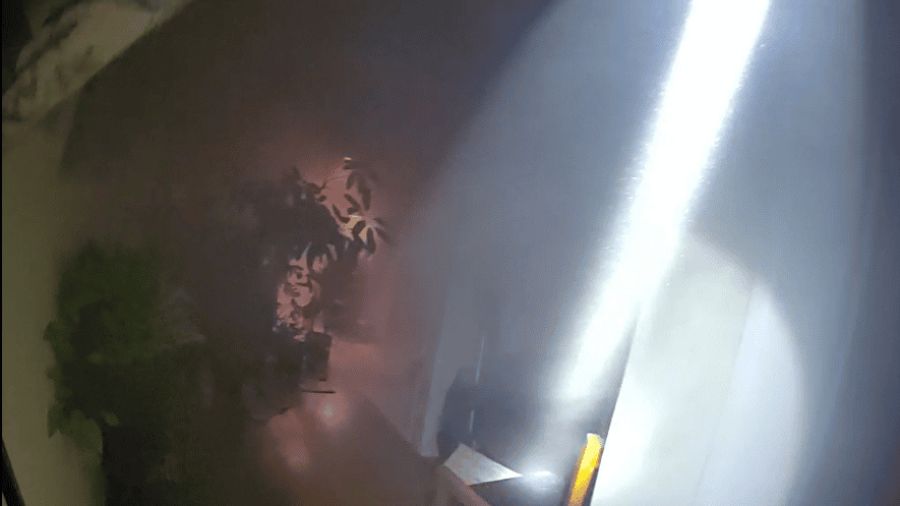
Fire alarm silent, residents asleep — SPD officers went door to door
Inside, the fire alarm was not sounding, and many residents were still asleep. Officers moved through the hallways and up the stairwells, knocking hard on doors and calling for people to evacuate. Residents opened their doors to smoke and to officers urging them to get outside immediately. The officers went door to door, floor to floor, guiding people down the stairs and out of the building. As conditions worsened, visibility dropped, and the air became harder to breathe. Radio traffic carried updates and warnings as they weighed how long they could safely stay inside.
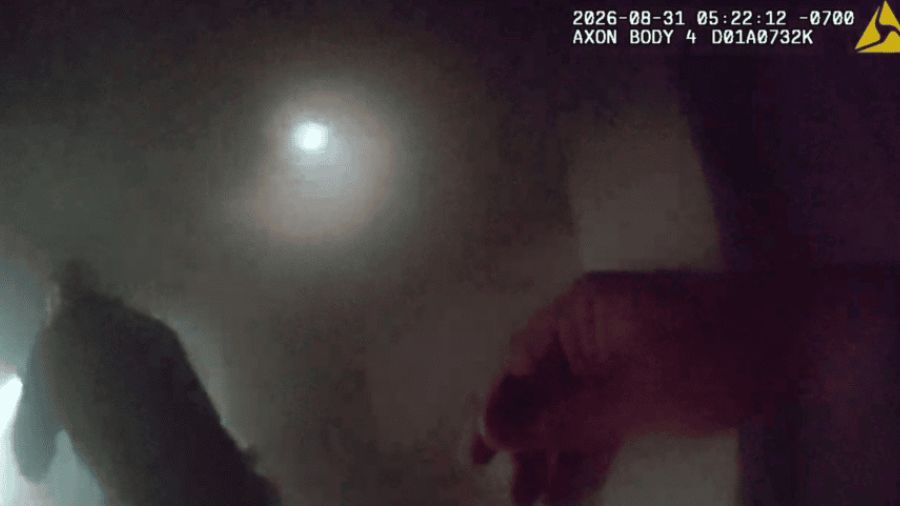
Eventually, the conditions in the building reached the point where officers had to pull back. Outside, Seattle Fire Department crews were arriving with hoses and equipment, ready to take over fire suppression. The officers, now out on the street with the evacuated residents, shifted again – this time to checking on people, confirming who had made it out, and relaying information to firefighters.
To bystanders, it may have looked like police simply responded to a fire. What was less visible were the quick decisions inside: choosing to enter the building, forcing their way to the burning unit, and working their way through smoke-filled hallways to wake people up and get them moving.
RELATED STORIES
The impact is measured in who walked out alive
Later, the department documented what happened, and each officer involved in the rescue received a commendation. The citations will note that they acted quickly, took personal risk, and showed commitment to public safety. But the impact of their actions is measured more directly:
in the 28-year-old tenant who walked out of his apartment, and in the residents who woke up to knocking on their doors instead of to a hallway already filled with heavy smoke.
On that early morning, the officers’ work extended beyond their usual role of crime-fighters. In a split second, they became first responders to a fire, entering a burning building to make sure people inside had the chance to get out.
Follow James Lynch on X. Read more of his stories here. Submit news tips here.