‘Reality hits you like a brick to the face’: Political consultant says Katie Wilson’s rocky start is more than growing pains
Sep 18, 2026, 5:27 AM | Updated: 6:39 am

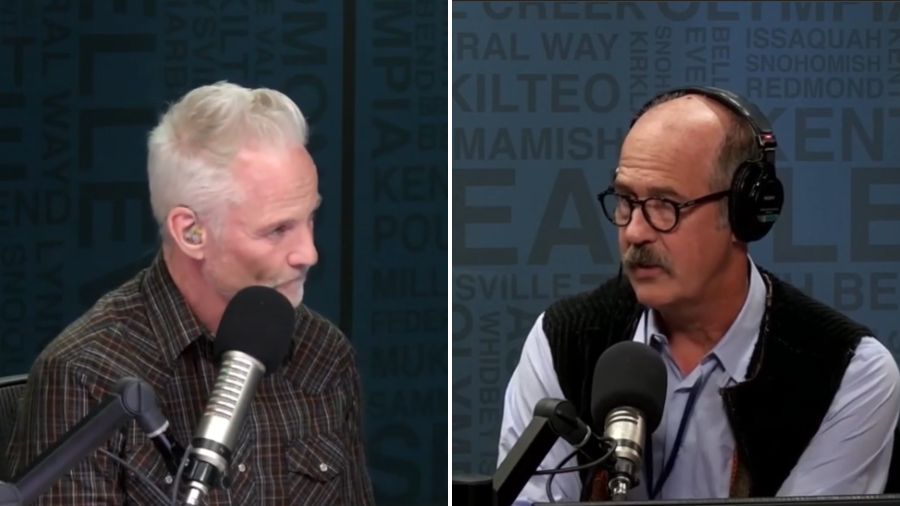
Seattle political consultant Sandeep Kaushik has a front-row seat to the dysfunction at City Hall. While he respects Mayor Katie Wilson’s intellect, he told John Curley the mayor’s office is still sorting out a basic question: who’s actually in charge and which direction are we going?
“The biggest culprit here is inexperienced people having to deal with something they’ve never had to deal with,” Kaushik said on “The John Curley Show” on KIRO Newsradio.
Kaushik, co-host of the Blue City Blues and Seattle Nice podcasts, has worked with previous Seattle mayors Ed Murray and Jenny Durkan. He unpacked what’s gone wrong since the Bite of Seattle gang-related mass shooting and why the mayor’s office and the City Council can’t seem to agree on anything, including how to stop the next shooting.
A five-hour silence and a police chief gone
Curley asked Kaushik to put the fallout from the Bite of Seattle shooting in perspective. Three people were killed and four wounded in a shooting at Seattle Center on July 26. What followed was a five-hour communications blackout, no public briefing from SPD, and then days of confusion over whether Police Chief Shon Barnes was resigning, being fired, or still in charge.
Barnes ultimately departed after Mayor Wilson asked for his resignation. Wilson appointed Deputy Chief Andre Sayles as interim chief.
Kaushik called the communications breakdown a failure of “basic protocol” driven by green staffers on both sides, inside SPD and in the mayor’s office.
“It kind of created an impression that we don’t know who’s in control at City Hall, and why is this happening in the middle of a major mass shooting investigation?” Kaushik asked.
The ‘shakeout cruise’ that won’t end
Curley pressed Kaushik on whether Wilson’s struggles are unique or just the normal turbulence of a new administration. Kaushik said every new mayor goes through a “shakeout cruise” — they draw the org chart, slot names into positions, and then reality sets in.
“When they do that, reality hits you like a brick to the face,” Kaushik said. “It turns out some of the things you thought were going to work, and some of the structures and some of the people, turn out aren’t working right.”
Kaushik acknowledged that Wilson’s shakeout cruise has been rockier than most. He attributed this to her status as an insurgent outsider with no City Hall experience, no deep bench of municipal allies, and what he described as a fundamental split within her own office.
“She really brought in two different groups of people,” Kaushik said. “One was what I would call the kind of progressive activists, people she’s known for a long time. Then the other half of the office were more experienced, more traditional city hands, people like the deputy mayor, Brian Surratt.”
Kaushik believes this has produced tension, mixed signals and stretches of indecision.
“One side is saying one thing to the mayor, the other side is arguing for something different,” he said.
The real fight: cops or no cops
The conversation sharpened when it turned to the public safety dispute between the mayor and the Seattle City Council. Both sides said they want to address gun violence, but Kaushik thinks the disagreement runs deeper than political posturing.
“There’s a pretty meaningful difference between what the mayor put forward and what Councilmember Rivera has put forward,” Kaushik pointed out. “How much do you involve the cops in this effort?”
Councilmember Maritza Rivera’s focused deterrence resolution, which passed the council 7-2, would bring in the National Network for Safe Communities at a cost of $418,000 over two years. The approach involves police, social services, and community members sitting down with the small number of people most likely to commit or be victims of gun violence, offering help and warning of consequences.
“They proactively sit down with those folks, and they say, ‘You need to change what you’re doing,'” Kaushik explained. “‘We’ll get you a job, job training, housing, drug treatment, whatever it is you need.’ But if you don’t, the cops are there too, and they say: ‘We know who you are, and we’re not going to let you keep doing what you’re doing.'”
Mayor Wilson’s $13 million proposal designates the CARE Department as the central command center for gun violence reduction, rather than SPD.
Wilson has said she supports focused deterrence, but Kaushik said the nine community organizations currently under city contract to do violence-interruption work have told the mayor’s office they are “not on board” with an approach that includes police. Wilson called the council’s push “grandstanding” during a KUOW interview. Rivera fired back this week, calling the mayor’s newly released plan “more of the same.”
RELATED STORIES

‘Terrible’ council-mayor relations
Beyond the gun violence dispute, Kaushik painted a picture of a broader breakdown between the executive and legislative branches at City Hall.
“Relationships between the council, almost across the board, and the mayor have just been terrible,” Kaushik noted. “There’s been a feeling on the council side that the mayor’s office has come in with this super high-handed way, kind of dictatorial, trying to order them around.”
Kaushik added the dysfunction is rooted in a collapse of trust and communication, even between council members who would seem to be natural ideological allies of the mayor.
Curley put the blunt question to Kaushik: Does Wilson survive the full term?
“Yes, Katie lasts. I hear this all the time: ‘Oh, she’s going to resign,'” Kaushik responded. “I haven’t picked up any sense that anybody is going anywhere.”
Watch the full discussion in the video above.
Listen to “The John Curley Show” weekdays from 3 p.m. to 7 p.m. on KIRO Newsradio 97.3 FM.
Follow @https://twitter.com/jcurleyshow

-
 Tune in to KIRO Newsradio weekdays at 3pm for The John Curley Show.