Jake and Spike: Washington’s climate laws are driving PSE rate increases
Oct 2, 2026, 9:31 AM | Updated: 9:33 am

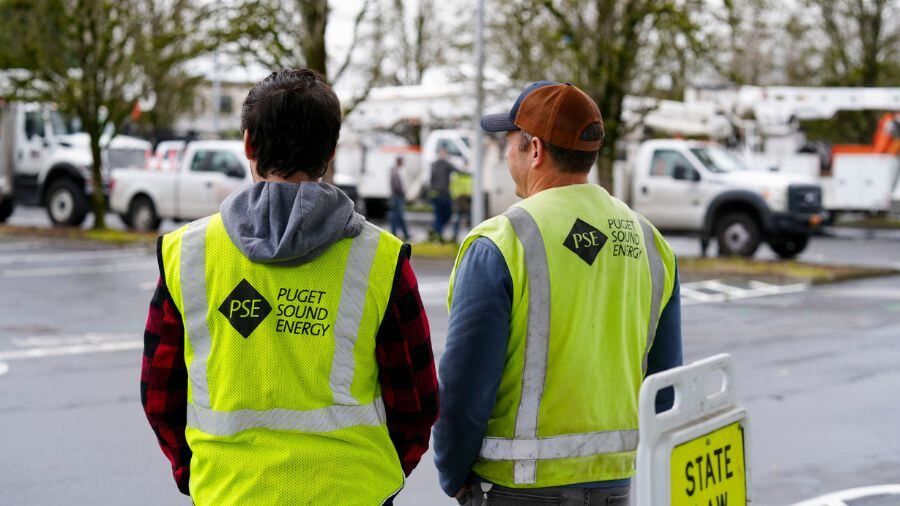
Puget Sound Energy (PSE) is asking state regulators to approve a roughly 3.6% increase in overall natural gas rates, starting Nov. 1. A typical residential bill would increase by approximately three dollars a month, from $105.71 to $109.
This rate hike comes in addition to PSE asking the Washington Utilities and Transportation Commission (WUTC) to approve a three-year rate plan that would raise electricity rates 15.15% and natural gas rates 14.16% in 2027, with additional increases in 2028 and 2029.
KIRO hosts Jake Skorheim and Spike O’Neill tied the increases to two state laws: the Climate Commitment Act, which requires large emitters to buy allowances for their greenhouse gas emissions, and the Clean Energy Transformation Act, which requires utilities to source 80% of electricity from renewable or non-emitting sources by the early 2030s and sets a path toward eliminating coal power.
“There are two reasons that your energy prices are going up: the Clean Energy Transformation Act and the Climate Commitment Act,” Jake said. “Energy companies are having to make huge investments in changing how and where they get electricity, and like any company that’s taxed, they’re going to pass that on to the ratepayers.”
More than 100 ratepayers packed a four-hour public hearing in Lacey last week to oppose PSE’s request, with thousands more submitting written comments. More than 4,600 of roughly 4,700 processed comments opposed the increase.
Washington Attorney General Nick Brown’s office has made a related argument in the case, contending that PSE should absorb more of its infrastructure and compliance costs through its own profit margin rather than passing them fully to customers.
“PSE, being a privately held company providing a public service — the attorney general said they should absorb some of these costs of doing business,” Spike said. “Instead of absorbing any of those, eating into their profit margins, their 10% guaranteed return for investors, they’re just asking the utility users to foot the bill for all their costs, all their upgrades, all their maintenance.”
Jake pressed Spike on whether the state’s climate programs have delivered measurable results proportional to their cost. The Climate Commitment Act (CCA) has raised more than $4.3 billion since its 2023 implementation, and a 2025 analysis by the Institute for Energy Research found the program’s estimated lifetime greenhouse gas reduction had been overstated by a factor of 28 due to a clerical error identified in several funded projects, before being revised down to a far smaller figure.
“The CCA has collected about $4.3 billion. Of that funding, we’ve been told that they’ve actually only used about 25% on things that actually fight climate change,” Jake said. “I would say that’s not really a great return on investment with how much people are paying for things.”
Spike doesn’t believe the state’s inflated emissions-reduction estimate reflects intentional deception, even as he questioned the program’s track record.
“I don’t think that’s safe to call them successful. They haven’t given us measurable results that we can count on,” Spike said. “I think it’s easier to assume someone made a clerical mistake than to assume the intent to purposefully mislead an entire population on the results of your programs.”
According to Jake, the state could do more to reduce emissions by redirecting climate funding toward wildfire prevention, pointing to research showing severe wildfires can release carbon at several times the rate of typical annual emissions reductions achieved through climate programs.
“Forest fires have an order of magnitude of four to five, sometimes 10 times the carbon release that they are saving,” Jake said. “Instead of doing all of this climate stuff, which is doing measurably nothing, put the money where it can actually do some good.”
In total, the request amounts to $1.5 billion in rate increases over three years, which PSE estimates would cost a typical electricity customer an additional $612 a year and a typical gas customer $276 more a year by 2029.
PSE said it needs to invest more than $3.2 billion in its gas and electric systems over that period, citing aging infrastructure, a growing customer base, and state mandates requiring utilities to shift away from fossil fuels.
Watch the full discussion in the video above.
Listen to “The Jake and Spike Show” weekdays from noon to 3 p.m. on KIRO Newsradio 97.3