Card skimming losses top $1 billion as Secret Service targets local fraud
Oct 21, 2026, 4:52 PM
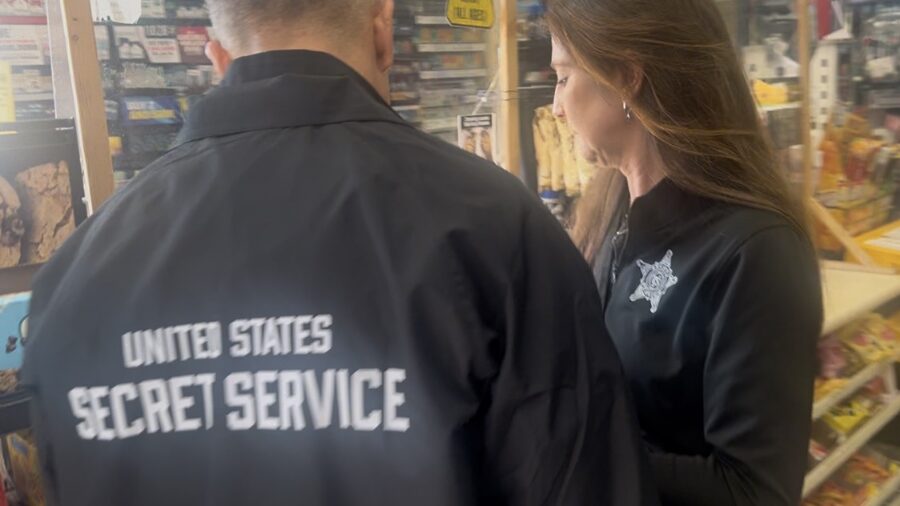
The U.S. Secret Service is working in the Seattle area to find and remove illegal card-skimming devices at retailers, ATMs, and gas pumps, as part of Joint Operation Pacific Northwest, an effort focused on fraud targeting government benefit recipients.
“We have recognized a massive uptick across the country in transnational organized crime groups that are coming into the United States specifically to steal from government benefit holders,” Michael Peck, an assistant special agent in charge with the Secret Service, said.
The operations pair agency analysts with law enforcement partners to help retailers identify suspicious devices, remove them and support further investigations. Peck said the agency has conducted more than 70 operations since the effort began in 2023, finding just over 700 skimmers.
“The financial toll is substantial,” Peck said, estimating losses at well over $1 billion nationwide.
“The devices can be difficult for consumers to spot,” he added. “Criminals place skimmers on payment terminals and use them to capture card data. The stolen information can then be used to access funds or make purchases for resale.”
RELATED STORIES

Card skimming can affect anyone using a payment terminal
Peck noted the average consumer wouldn’t be able to spot a skimmer with the naked eye.
He said investigators have found no evidence that retailers knowingly participated in the scheme, adding that merchants are upset when skimmers are discovered because their customers are among those harmed.
Although the operations focus on electronic benefits transfer (EBT) fraud, Peck said skimming can affect anyone who uses a payment terminal.
“Everybody else uses the same terminals, and that card data is still being taken,” he said.
For consumers, Peck recommended using contactless payments or a card’s chip rather than swiping its magnetic stripe. He also urged people to check terminals for signs of tampering, such as glue or tape residue, unusual protrusions, or differences between neighboring devices.
“Tap to pay. That is your number one mechanism of safety,” Peck said.
Follow James Lynch on X. Read more of his stories here. Submit news tips here.