The Spin: Microsoft outage and how the company used PR to manage a global service disruption
Nov 13, 2026, 4:07 PM | Updated: 4:07 pm
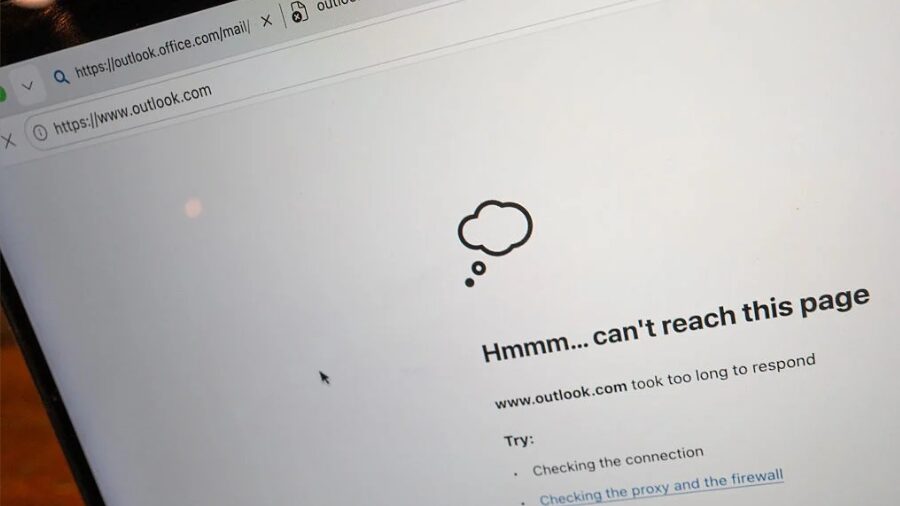
A major Microsoft outage disrupted Outlook, Teams, Copilot, and other Microsoft 365 services for two days, affecting businesses, governments, schools, and millions of users around the world.
As engineers worked to restore service, Microsoft Executive Vice President Charles Lamanna released a statement addressing the disruption.
“We will continue to share more information as we have it, and for now we can confirm that there is no indication this is the result of malicious or cyber activity,” Lamanna said. “Our teams are reviewing what happened and how we can prevent similar issues going forward.”
But the wording of that statement offers a lesson in corporate crisis communications and how companies use carefully chosen language to manage bad news.
Here are four public relations tactics in Microsoft’s response.
1. Protect the brand.
Lamanna never mentions Microsoft, Outlook, Teams, or Copilot by name. Instead, he uses “we” and “our teams,” avoiding repeated references to the company’s recognizable brands in a statement about a major service failure.
2. Don’t repeat the bad news.
Rather than explicitly saying Microsoft experienced a two-day outage, Lamanna says the company’s teams are “reviewing what happened.”
It’s a way to acknowledge the problem without repeating the negative headline.
3. Control the flow of information.
“We will continue to share more information as we have it,” Lamanna writes.
It sounds like a commitment to transparency, but there’s no deadline, no promise of a detailed explanation, and no commitment to answer specific questions. Microsoft retains control over when and how much information it releases.
4. Future-proof and leave room for new information.
Lamanna said there is “no indication” the disruption resulted from “malicious or cyber activity.”
Those qualifiers matter. Saying there is no indication of malicious activity is not the same as definitively ruling out a cyberattack. The broader term “cyber activity” also avoids making a definitive characterization before the investigation is complete.
The statement reassures customers that Microsoft is investigating and working to prevent similar problems, but it doesn’t explain exactly what caused the outage or when the public can expect a full accounting.
The broader lesson: Corporate statements can sound transparent and reassuring while revealing very little.
That’s the Spin, examining how organizations try to make bad news less bad, or ideally no news at all, while reporters seek the truth.
Follow Luke Duecy on X. Read more of his stories here. Submit news tips here.