‘Leave him be’: Local wildlife director warns Jimothy’s deformity could prevent him from returning to the wild if captured
Jul 23, 2026, 4:00 PM
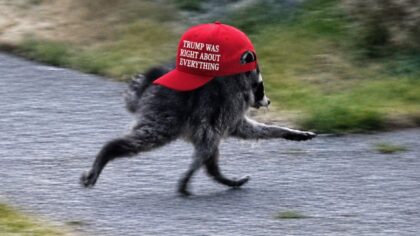
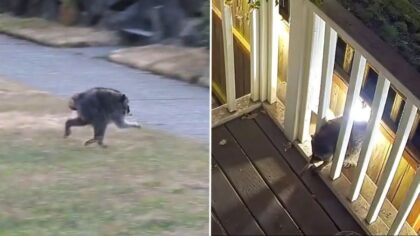
Jimothy, the oddly shaped Ballard raccoon who has gone from neighborhood curiosity to national celebrity in a matter of days, continues to grow in popularity with no signs of slowing down, as major brands and now even the White House are jumping on the bandwagon.
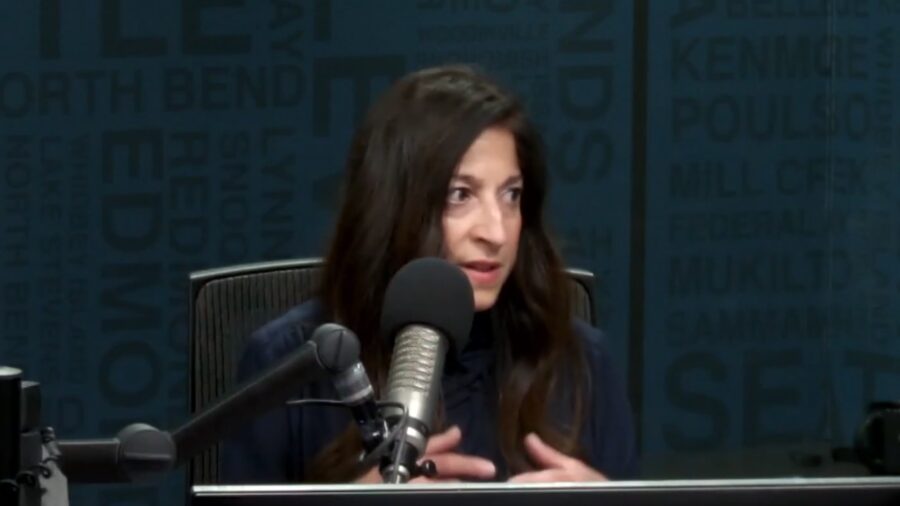
Suzanne West, Executive Director of the Sarvey Wildlife Care Center in Arlington, told “The Gee and Ursula Show” on KIRO Newsradio she’s worried Jimothy’s skyrocketing fame could put the raccoon in real danger, warning that fans chasing him for selfies or trying to lure him with food could disrupt his natural behaviors, drive him into the path of a car, or attract bad actors looking to capture him for their own purposes.
“The most alarming thing is every single day we deal with animals that have been impacted by some kind of human-caused conflict,” West said. “Hit by a car, window strike, dog and cat attacks-those are all human-caused problems. That’s what we’re here to help these animals with. And so, with this, the dilemma is: are we creating a situation where this animal has become a celebrity?
“It’s not just raccoons in general,” she continued. “We’re talking about a specific raccoon that has been given a name, and we run the risk of him being treated like any of our celebrities. He didn’t sign up for this. He didn’t say, ‘Oh, I’m in this movie and whatever.’ And the paparazzi could chase him down. So we really are concerned that people will want to do what sometimes people do, unfortunately, and get a selfie with him or capture more video that they can share, and so that’s alarming.”
Feeding Jimothy could make his condition worse, West says
West added that even well-intentioned fans who leave food out for Jimothy could be doing serious harm, warning that feeding raccoons can interfere with their natural ability to hunt, introduce foods that make them sick, or cause weight gain that could worsen whatever condition is already affecting Jimothy’s spine.
“If you’re thinking, ‘I’m going to put out a feeding station, and he’s going to come and eat this,’ whatever it is that you’ve put out, you’re disrupting his ability to hunt,” she explained. “And you could even cause that animal to become sick because he’s eating the wrong things. Or he gains a lot of weight, which actually could make his condition worse because we don’t know exactly what is going on with him. So, those are really important things for people to be aware of — don’t feed wildlife, keep your distance, enjoy them from a distance. If you see something, great, enjoy it, but don’t try to interact with it.”
RELATED STORIES
‘Let him live out his days in peace’: West says Jimothy is better off staying where he is
West warned that if Jimothy were ever captured or brought to a wildlife rehabilitation center, his deformity could prevent him from ever being released, leaving him stuck in a system with no path back to the wild, which is why she said the best thing anyone can do is leave him alone.
“He needs to stay where he is,” West said. “And the problem people don’t understand is that it is not a raccoon that would have been returned to the wild. If that raccoon came in as a very small baby with that level of deformity, he legally couldn’t be released. We would actually lose our permits to do the work we do if that animal was returned to the wild. He can adapt, and he’s doing great, and we appreciate that. But when wildlife are brought to us, we have to make sure that the ones that we’re sending out there are 100% ready to go.
“They can hunt and run and jump and climb and fly and forage and and and breed,” she continued. “And those are really important factors in why this is something that our position and every wildlife rehabilitator’s position should be: that this is not an animal that we would bring in and keep. We’re not a sanctuary. We can’t return this. There’s nothing we can do to help him. We can’t return this animal to the wild. He’s already in the wild. He’s doing his thing. Let’s leave him be and don’t disrupt his day-to-day. Let him live out his days in peace as a wild raccoon.”
Watch the full discussion in the video above.
Listen to Gee and Ursula on “The Gee and Ursula Show” weekday mornings from 9 am to 12 pm on KIRO Newsradio.