‘We all have to do better’: SPD Chief Barnes addresses youth violence after fatal Rainier Beach shooting
Mar 23, 2026, 2:00 PM | Updated: 3:51 pm
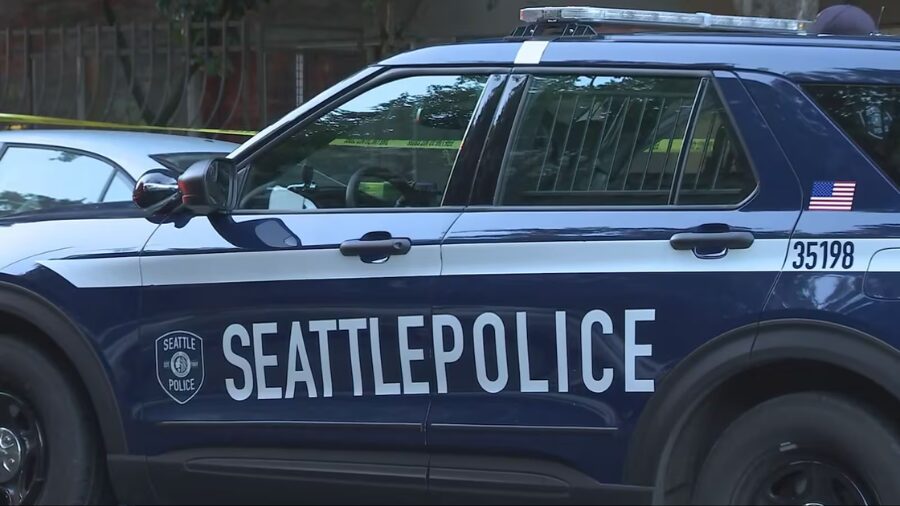
A 16-year-old suspect has been arrested in the fatal Rainier Beach shootings of two high school students after surveillance cameras aided in identifying the suspect.
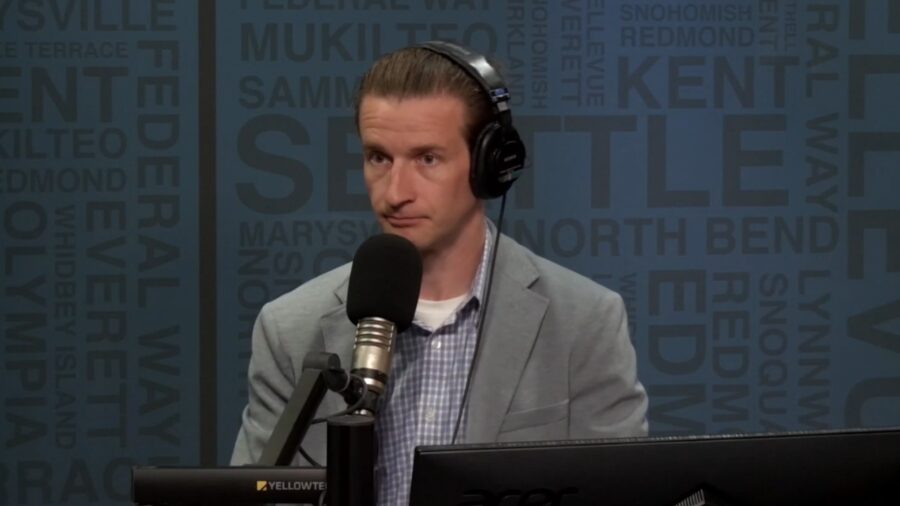
Seattle Police Department (SPD) Chief Shon Barnes joined “The Gee and Ursula Show” on KIRO Newsradio to reinforce his views on the importance of surveillance cameras in the investigation and what it took for SPD to piece it together.
“Just good old-fashioned police work, working together as a team,” Barnes said. “Looking at public space cameras really, really helped. Of course, having the community support and having the community’s information is always where you start whenever you’re going to solve a case like this.”
RELATED STORIES


Barnes discusses surveillance technology, school resource officers after teen’s arrest
KIRO host Ursula Reutin asked if there are any gaps in the city’s system after learning of the suspect not being under court supervision at the time of the double homicide.
“It says that we all have to do better. I try not to point fingers, but what I will say is that we all have to do better: families, schools, guidance counselors, teachers. It’s really going to take a whole approach to wrap our arms around these kids,” Barnes said. “The good news is, I think we’re talking about a very small number of students who I think deserve our love and attention to get them on the right path. If they don’t believe that there’s a place for them in Seattle, then you’re going to get gun violence.”
Barnes pointed to the successes SPD has had recently with its Real Time Crime Center, despite being far behind in the number of public-space cameras compared to other large cities.
“I know we’re pausing our expansion, but the Real Time Crime Center cameras in our city last year assisted in 17 of our homicide investigations and helped to clear 11 of them. So, for a family member, for a parent, or a loved one of someone who was murdered, is it worth it? Under the right guidelines, the answer is yes,” Barnes said. “It is not a new concept to policing or to cities. There are cities with over 30,000 [cameras], and we have about 60. I don’t think that’s grossly over-surveilled. I really don’t believe that, but we encourage people to learn more.”
KIRO host Gee Scott asked whether Barnes is willing to take another look at bringing resource officers back into schools, something Gee has previously vocalized being in favor of.
“I do too. Yesterday, a lady came up to me, and she talked about her fear of her son’s safety,” Barnes said. “I would love to live in a world where we don’t need police inside our schools, building relationships and keeping people out of trouble. Here’s the thing: are we going to police for the city we want, or the city we have?”
Barnes provided a “concerning” statistic showing that Seattle had a 63% increase in the number of people listed as suspects in crimes between the ages of 13 and 17.
“That should give everybody a call to say, OK, maybe we can try this, we can design it, and then when we don’t need them, we can take them out. But when I have parents coming up to me, asking me about their child’s safety, that is very concerning to me,” Barnes said. “I was a young high school history teacher. After losing a student to gun violence, I want to do something to help prevent this. What I decided to do is dedicate my life to public safety.”
Barnes addresses misconceptions about SPD’s response to ICE activity
In light of Seattle now requiring officers to document U.S. Immigration and Customs Enforcement (ICE) operations in the city, Barnes responded to inaccurate claims that he would discipline officers if they did not comply. Barnes noted he was actually referring to officers being required to turn their body cameras on in general, as they would for any kind of response, not solely in response to ICE activity.
“We’re not going to interfere, but if we get called about an operation, and a community member doesn’t know whether or not it’s official, we will respond to that no matter who it is,” Barnes said. “When officers are dispatched to a call, they are required to activate their body-worn cameras. That was the question I was actually answering. It was, what if the officer says, ‘I’m not going to turn on my body-worn camera,’ then they would be subject to the same discipline measures as if they were going to a domestic call and said, ‘I’m not going to turn my body-worn cameras on today.’
“They are required to [turn on] their body-worn cameras if they’re doing police work; if they don’t turn cameras on when doing police work, that would be subject to the same discipline procedures as anyone else,” he continued. “This is something that we’ve thought through. We will not be obstructing justice. No one has given me a mandate to do that. We’re going to determine what the case is, we’re going to write a report, just like we would normally do on any other calls, we’ll determine if this person is or is not conducting an official law enforcement purpose, and then we’re going to leave, that’s the policy.”
Watch the full discussion in the video above.
Listen to Gee and Ursula on “The Gee and Ursula Show” weekday mornings from 9 am to 12 pm on KIRO Newsradio.