‘We’re estimating between 10 and 20%’: Seattle attorney suing Alaska, Delta and others says airlines teamed up to inflate fares
Nov 10, 2026, 2:32 PM | Updated: 3:40 pm
Seattle attorney Steve Berman said airline passengers may be paying 10% to 20% more than they should, because major airlines are sharing private fare data instead of competing on price.
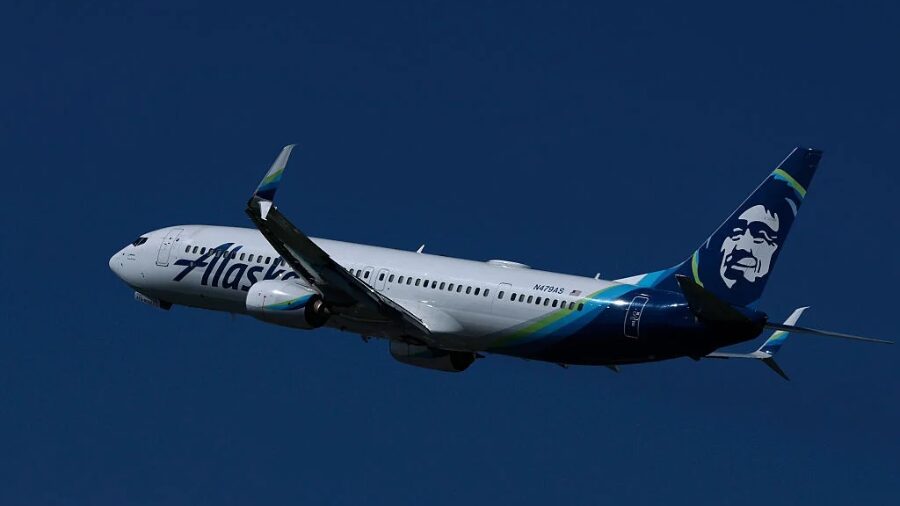
Berman’s Seattle law firm, Hagens Berman, filed a proposed class-action lawsuit Nov. 4 in federal court in Seattle on behalf of two travelers. The complaint accuses seven airlines of violating federal antitrust laws: Delta, United, American, Alaska, Hawaiian, Southwest and JetBlue. It also names the Airline Tariff Publishing Company, or ATPCO, a data clearinghouse, and its subsidiary 3Victors.
KIRO host Gee Scott asked Berman how much of a $500 round-trip ticket might be inflated.
“We’re estimating between 10 and 20%,” Berman said on “The Gee and Ursula Show” on KIRO Newsradio.
How the alleged scheme works
Airlines have shared public fare data through ATPCO for decades. The complaint claims that changed in 2023, when ATPCO launched a data repository that let airlines see competitors’ private, individualized discounts in exchange for sharing their own, The Seattle Times reported. ATPCO also added a tool that alerts airlines when a rival cuts the price on a competing ticket, the complaint alleged.
“Any airline who’s competing on a route can see what Alaska or American or Delta is offering, and match that route, and that’s anti-competitive,” Berman said.
He said artificial intelligence lets airlines track prices almost minute by minute, which takes away the reason to offer a better deal.
“If you know what your competitor’s charging, you’re not going to race to the bottom,” he said.
KIRO host Ursula Reutin asked how that’s different from what anyone can see on Google Flights. Berman said the difference is dynamic pricing, which means airlines may offer different customers different prices. Through the data room, he said, airlines can see what rivals are offering individual travelers and which prices those travelers accept.
“Rather than saying, ‘Gee, I really want to compete to get Steve’s ticket. I don’t know what American’s charging, so I’m just going to make them a really good offer.’ Now they don’t have to do that,” Berman said.
He said dynamic pricing on its own isn’t illegal.
“What’s illegal here … is you’re sharing your information with your competitor,” he said.
A practice the government stopped once before
The airline industry has faced this kind of accusation before. A Justice Department lawsuit against ATPCO and eight major airlines led to consent decrees in 1994 that barred airlines from sharing nonpublic information to control prices, The Seattle Times reported. Those decrees expired by 2011.
The new lawsuit argues the airlines have “successfully rebuilt what the government dismantled thirty years ago.”
A spokesperson for American Airlines denied the claims.
“We develop and price our products independently, compete every day to win customers and categorically reject any suggestion that our prices are anything other than independent and competitive,” the spokesperson said in a statement to The Seattle Times.
Most of the other airlines declined to comment or couldn’t be reached, according to The Seattle Times. ATPCO also couldn’t be reached.
Who could get money back
The lawsuit was filed on behalf of Ashley Ward of California and Gregory Morris of New Jersey. It seeks to represent passengers who bought domestic tickets from Southwest, Alaska, JetBlue, or United in the past four years, according to The Seattle Times. Berman said he expects to add Delta ticket holders later.
Berman said economists his firm hired compared airlines that use the shared data with airlines that don’t, and found the airlines using it charged higher prices. Frontier, for example, isn’t named in the lawsuit.
If the case succeeds, Berman said, he hopes to stop the data sharing and get money back to travelers. He pointed to past cases his firm brought against the chicken, beef and turkey industries that ended with refunds for consumers.
“At the end of the day, I would hope that we stop their price-sharing activities, and we send you a check for the amount you’ve been overcharged,” he said.
He said travelers don’t have to do anything to join. Eligible travelers will get a notice in the mail and can opt out if they want to.
RELATED STORIES


Gee: ‘I ain’t never got a dime’
After the discussion, Gee admitted he usually ignores class action notices.
“I just roll my eyes, like it ain’t got nothing to do with me,” he said. “I ain’t never got a dime.”
He compared it to mail-in rebates at RadioShack, which he said he never managed to collect.
Ursula said she’s never gotten a class action check either. She said the paperwork can make it feel not worth the effort for a few dollars.
Listeners pushed back. One texter said they get class action checks every year, some in the hundreds of dollars. Another listener said she got $70.
“We are leaving money on the table,” Ursula said.
KIRO producer Andrew Lanier said the bigger issue is how often these allegations come up, including in apartment rents, hotels, and groceries.
“We’re talking about the largest companies in America colluding on pricing to increase everything by 10 to 20%,” Lanier said. “That’s crazy.”
Watch the full discussion in the video above.
Listen to Gee and Ursula on “The Gee and Ursula Show” weekday mornings from 9 a.m. to 12 p.m. on KIRO Newsradio.