Cliff Mass dismisses lawsuit linking Big Oil to rising WA insurance costs as ‘total nonsense’
Dec 4, 2025, 4:40 PM

A federal lawsuit filed last week in the U.S. District Court for the Western District of Washington claimed several of the world’s largest fossil fuel companies spent decades misleading the public about the risks of climate change, which contributed to rising homeowners’ insurance costs in Washington and nationwide, KIRO 7 reported.
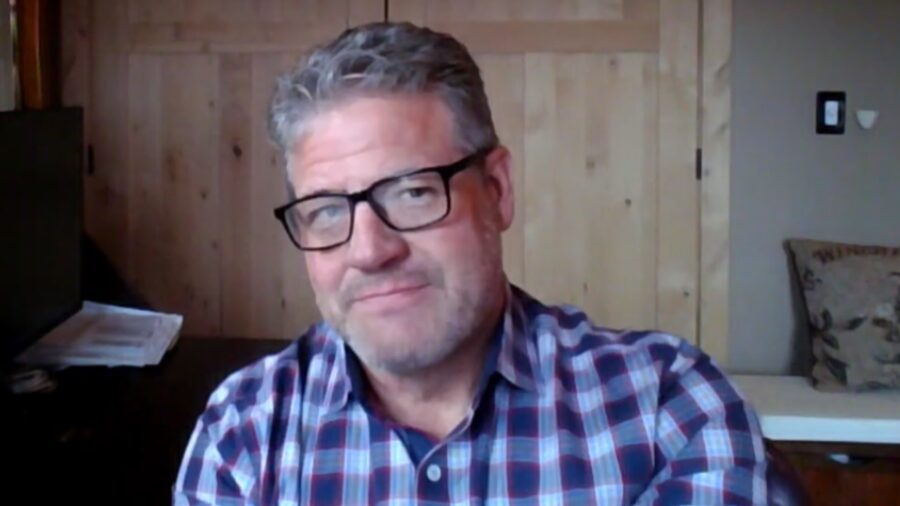
Cliff Mass, professor of atmospheric sciences at the University of Washington, believes the argument is complete rubbish.
“It’s total nonsense,” he said on “The John Curley Show” on KIRO Newsradio. “Basically, they’re suggesting that global warming is causing all kinds of increases in extreme weather, which is causing claims for insurance companies, right? It’s something like that. Well, it turns out that that’s not true.”
The lawsuit alleged that ExxonMobil, Shell, Chevron, BP, ConocoPhillips, and others ran a prolonged effort to hide their own internal knowledge about the environmental impacts of burning fossil fuels. According to the complaint, internal research dating back to the 1960s alerted oil company leaders that using petroleum fuels would lead to serious climate impacts.
By concealing this information, plaintiffs argued, these companies delayed the transition to clean energy, ultimately triggering extreme weather events that drove insurance rates higher. However, Mass asserted the case relies on the assumption that global warming has sharply increased extreme weather, which is not supported by data.
“They’ve been claiming there would be all this increase in disasters for a long time now, and it’s simply not happening. It is clearly not happening,” Mass said. “And a little bit of warming, most people are not experiencing anything significant.”
He noted regional windstorms haven’t become more frequent, cold waves are actually decreasing, and recent wildfire disasters, such as the Lahaina fire, were driven by human errors and infrastructure failures rather than climate-driven conditions.
“We are warming slowly, but the effects of that are so small, it’s really moderate impact. So there’s no existential threat,” Mass said. “It’s very clear it’s all nonsense, and people are starting to get wise to it.”
Watch the full discussion in the video above.
Listen to John Curley weekday afternoons from 3 – 7 p.m. on KIRO Newsradio, 97.3 FM. Subscribe to the podcast here.
Follow @https://twitter.com/jcurleyshow

-
 Tune in to KIRO Newsradio weekdays at 3pm for The John Curley Show.