‘An expensive coffin’: Andrea Suarez criticizes Seattle Mayor Katie Wilson’s 1K tiny homes plan
Apr 21, 2026, 9:39 AM

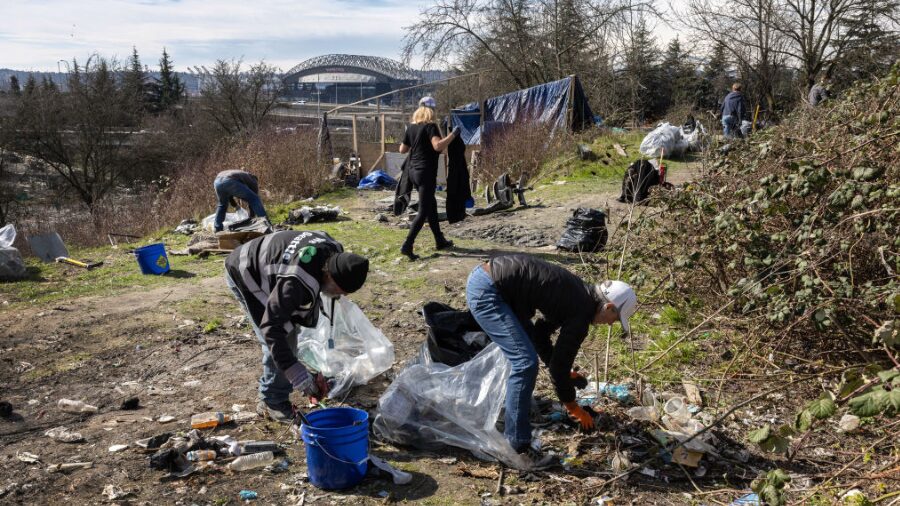
As the World Cup in Seattle draws near, Mayor Katie Wilson said she wants to build 500 tiny homes for the city’s homeless population by June 15, and 1,000 total by the end of the year.
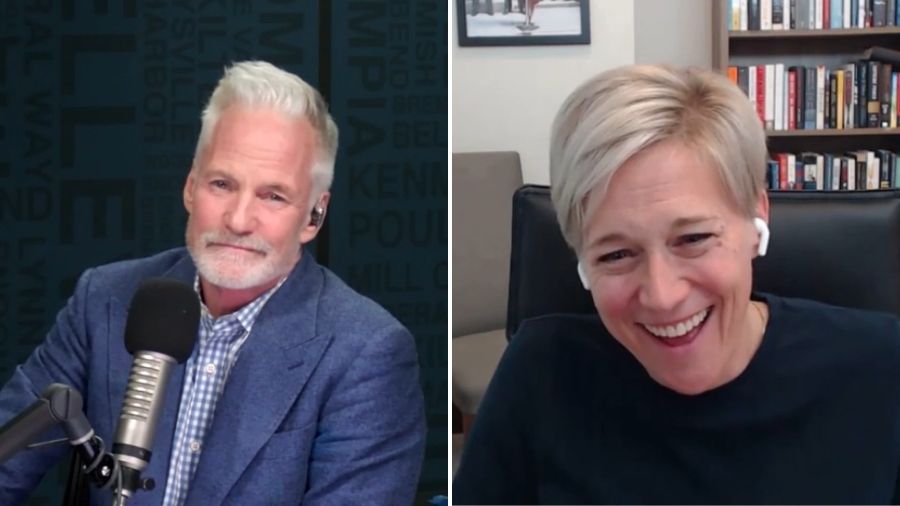
Andrea Suarez, the executive director of We Heart Seattle, speaking on “The John Curley Show” on KIRO Newsradio, estimated each tiny home would cost roughly $5,000. Suarez demanded to see the facts that supportive housing has enacted real change rather than stand as a breeding ground for drug use.
“The persuasion on her end and to the council is that this is a place to stabilize a person. Just get them inside to stabilize them. But when you’re being housed with your drug dealer and your permanent drug buddy on either side of you, how is that stabilizing?” Suarez said. “Show me the 100 people that graduated in the last 90 days, that went to treatment, reunited with family, went back to work, show us those success stories. I think we’re hungry for that, and then we’ll shut up.
“I’m showing you that those tiny houses are used to continue to smoke fentanyl, and some of them are designated to use fentanyl together with your friends,” Suarez continued. “I don’t think the average everyday voter or people who build those tiny homes understand that they’re there to just give people a place to use drugs.”
Activist says tiny homes don’t address root cause of drug addiction
Curley noted that the proposition sounds good at face value, taking vast amounts of homeless people off the streets, but Suarez pushed back, stating that minimal changes will be seen if we don’t target the root cause of the problem.
“They don’t stay there. Drugs aren’t free. So what do they do all day? They have to still create havoc in our communities, stealing gas, porch pirating, smash and grabs, retail theft that doesn’t go away when you’re inside a tiny house, because we’re not addressing the root cause, which is drug addiction,” Suarez said. “People don’t understand that once you go inside a tiny house, people are still populating our parks. They’re loitering in our streets. Crimes don’t go down because we’re managing their decline, and they’re becoming kind of better drug users.
“They do have a place they can lay their head down once in a while. They do use the facility. They have their friends over, but most importantly, they are not required to enroll in any kind of services,” Suarez continued. “The only thing that a drug addict cares about is getting more drugs. They’re not thinking about mental health counseling or checking in. It’s all on them to do that on their own. And so the case management needs to be much more assertive and or required to get the tiny house.”
RELATED STORIES

Suarez warns money funds decline, not transformation
Suarez likened Mayor Wilson’s proposal for 1,000 tiny homes to a $5,000 coffin, claiming the money spent is being funneled toward managing a person’s decline instead of funding hands-on treatment to eliminate their drug use.
“Seventy percent of all overdoses are now from fixed addresses. So putting somebody inside is just to put them inside an expensive coffin. Call it hospice care, call it end-of-life care, but don’t fool everyday citizens that that person is going to go into permanent supportive housing and end their fentanyl addiction all on their own,” Suarez said. “They lose their teeth, get thinner, malnourished, and their apartments become trap houses. I see the decline. They become more hunched over. It’s very sad that we’re using all that money to manage a person’s decline, rather than using the money to manage a transformation to reach self-sufficiency.”
Watch the full discussion in the video above.
Listen to John Curley weekday afternoons from 3 – 7 p.m. on KIRO Newsradio, 97.3 FM. Subscribe to the podcast here.
Follow @https://twitter.com/jcurleyshow

-
 Tune in to KIRO Newsradio weekdays at 3pm for The John Curley Show.