‘Dead and dying timber’: WA Policy Center says roadless areas are fueling WA’s worst fires
Aug 28, 2026, 3:07 PM | Updated: 3:08 pm

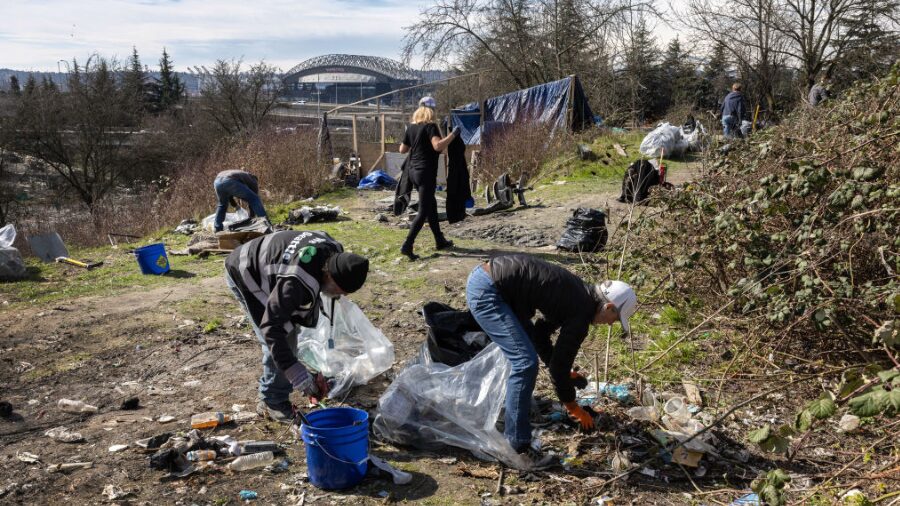
As more than 750 fires burn across Washington, the Trump administration is proposing to roll back the Clinton-era Roadless Rule that bars new road construction in designated national forest areas.
The proposal has drawn sharp criticism from environmental groups and Washington Gov. Bob Ferguson’s office, but Washington Policy Center environment director Todd Myers told KIRO Newsradio that both sides are overstating the impact.
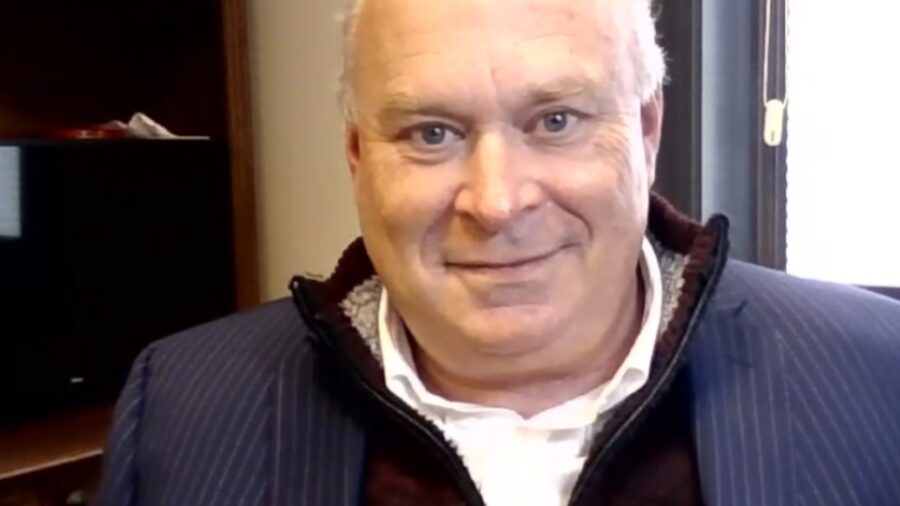
Myers told “The John Curley Show” the real problem is that many roadless areas are no longer pristine wilderness; they are full of dead and dying timber that firefighters cannot reach.
“The largest forest fire in the state right now, which is 144,000 acres, is also in two roadless areas,” Myers said. “In many of these roadless areas, it’s not pristine forest and habitat; it is dead and dying timber that is fire-prone.”
Myers says roadless areas are feeding WA’s largest fires
KIRO host John Curley asked whether building roads into those areas would actually increase fire risk by giving more people access. Myers said the argument is misleading.
“Most fires are human-caused. But those fires also are quickly put out because firefighters can get to them quickly,” Myers responded. “The largest fires that we have in the state are actually in roadless areas, because you have these dead forests. There’s no access to go in and fight them.”
Myers added that the Trump administration’s framing that rolling back the rule will increase timber harvesting is also wrong.
“The value of the timber is very low. It costs you more to transport it and cut it than you get from the value,” Myers said. “There’s not a lot of reason to actually harvest in these areas unless you are trying to remove fire-prone forest.”
He pointed to Rep. Kim Schrier’s district, where a fire is burning through two roadless areas, as evidence that the current rules are failing.
“I guarantee that spotted owl did not live through that fire,” Myers said. “Let’s go in and be smart about this and stop freaking out about the fact that we may go into one or two roadless areas, because we need to do something about the unhealthy forests there.”
RELATED STORIES
Myers says WA inflated CO2 reduction numbers by 97%, then tried to hide his role in finding the error
Curley asked Myers about a recent Axios report examining whether the Ferguson administration delayed the Department of Ecology from correcting a major error in its CO2 reduction claims. Myers said he flagged the mistake and the department’s numbers were off by 97%.
“I emailed the Department of Ecology in December, and then I emailed them the day before my report was going to come out,” Myers said. “Then I published it, and then finally that afternoon is when they said, ‘Okay, yes, let’s go ahead and respond.'”
Myers added that the department still refuses to credit him for identifying the problem, and that state employees referred to him as “a certain someone” in internal communications to avoid his name appearing in public records requests.
“If somebody does a disclosure request on my name, that way they don’t have to release emails that don’t have my name in it,” Myers said. “So they referred to me on a couple of cases as just ‘a certain someone’ to try to avoid disclosure. But I got them anyway.”
Curley also asked Myers about the state’s Family and Medical Leave payroll tax, which has risen from 0.4% to 2% and is projected to keep climbing. Myers said the program amounts to a backdoor income tax that benefits wealthier workers at the expense of working-class employees who pay in but cannot afford to take leave.
“They are coming for your paycheck,” Myers said. “If you think that this is about the millionaires and billionaires, you are fooling yourself.”
Watch the full discussion in the video above.
Listen to John Curley weekday afternoons from 3 – 7 p.m. on KIRO Newsradio, 97.3 FM. Subscribe to the podcast here.
Follow @https://twitter.com/jcurleyshow

-
 Tune in to KIRO Newsradio weekdays at 3pm for The John Curley Show.