‘It is a tool for solving crimes’: Jake and Spike defend Seattle police cameras as mayor weighs expansion
Oct 2, 2026, 5:20 PM | Updated: 5:27 pm

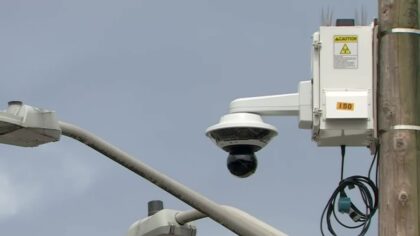
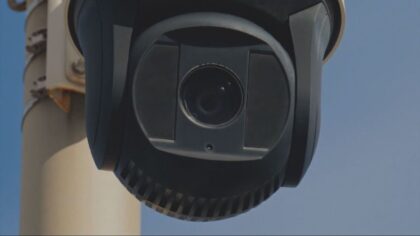
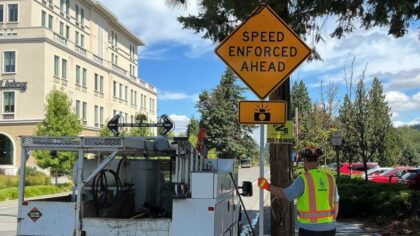
Seattle’s debate over police surveillance cameras has KIRO hosts Jake Skorheim and Spike O’Neill questioning why the city is still weighing whether to expand a tool they argue can help solve crimes and keep people safer.
The hosts played comments from Seattle City Councilmember Rob Saka, who criticized the resistance to government-operated cameras.
“Apparently, everyone can have a damn camera in the city, except the city itself, the city government itself, that is directly responsible for public safety. Everybody gets a camera except us. How in the world does that make any damn sense?” Saka said.
On “The Jake and Spike Show” on KIRO Newsradio, Jake and Spike agreed with the argument that cameras give investigators valuable evidence, while discussing concerns about access to footage and how long it should be stored.
“You pick it up when you want to use it,” Jake said. “You put it down when you don’t need it, but it is a tool for solving crimes which do keep people safer.”
Two reviews, different questions
Seattle’s Office of Inspector General found that police generally followed surveillance rules in 2025, while identifying vulnerabilities in safeguards against potential misuse. Seattle Mayor Katie Wilson has been awaiting a separate audit from the NYU Policing Project before deciding whether to move forward with the camera expansion, according to KOMO News.
Jake viewed the inspector general’s findings as largely positive, though he acknowledged concerns about access. He had initially believed that was the review the mayor was waiting for.
“I thought that was the review that they were waiting for,” he said.
Spike noted that the NYU group offered a national perspective but emphasized that seeking another review should not discredit the inspector general’s work.
“These guys are the watchdogs in government. They’re nonpartisan,” he said.
The hosts then turned to criticism from the Communities Not Cameras Coalition. In audio played during the segment, a coalition representative questioned whether the cameras were an effective use of taxpayer money.
“If we’re spending all of these taxpayer dollars on something that we’re told is going to be an effective solution, it’s very relevant whether or not it’s an effective solution,” she said.
The representative also raised concerns about transparency and access to surveillance data.
Jake disputed the suggestion that there was no accountability, pointing to the NYU Policing Project’s emphasis on safeguards.
Jake and Spike question limits on storing footage
Both hosts acknowledged the importance of knowing who can access recordings and whether the information is secure. But they questioned short retention periods, arguing that investigators may need footage long after an incident.
“I think a lot of these investigations would take a lot longer. I think that window should be much longer,” Jake said.
Spike argued that secure storage was the central issue.
“I think if it’s secure, doesn’t matter how long it’s secure for,” Spike said.
Jake suggested retaining footage for a year or two if it could be protected.
RELATED STORIES
Solving crimes is part of prevention, hosts argue
Jake also challenged the argument that cameras should be rejected if they do not prevent violent crime. He argued that cameras could both discourage offenses and provide evidence when a crime occurs.
“The idea that she’s saying, ‘Well, it doesn’t prevent crime, so just don’t do it,’ is ridiculous,” Jake said.
He pointed to previous comments from Seattle Police Officers Guild President Kent Loux about cameras being a valuable investigative tool.
Spike agreed that helping police identify and arrest someone could prevent that person from committing another offense.
“You’re taking somebody off the street,” Spike said.
He also recalled Loux’s point about the importance of footage in cases without an eyewitness.
Jake argued that home-security warning signs reflect the same belief that people behave differently when they know they could be recorded.
“Why do you think they sell signs that people put up around their house that say ‘You are on camera’?” Jake said.
He ended with a joke about how cameras had changed his own behavior in the studio.
“The other thing is, like, just from firsthand knowledge, we put cameras in here years ago, and ever since I wear pants,” Jake quipped. “I didn’t before, and now I do because I know that there’s cameras that are on us all the time.”
Watch the full discussion in the video above.
Listen to “The Jake and Spike Show” weekdays from noon to 3 p.m. on KIRO Newsradio 97.3