A Seattle Filmmaker on Growing Up Gay in Russia
Aug 15, 2013, 5:27 PM | Updated: Oct 11, 2024, 10:45 am
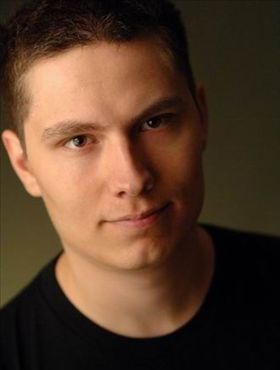
Wes Hurley (photo courtesy of his Twitter page)
(photo courtesy of his Twitter page)
There are many people around the world who want the 2014 Sochi Winter Games moved out of Russia, since the country passed a law in June that threatens to arrest anyone, Russian or foreign, who publicly supports or expresses homosexuality. Just today, Russian pole vaulter Yelena Isinbayeva, who has won two gold medals, endorsed the law after two Swedish athletes wore rainbow nail polish at a competition in Moscow this week.
“It’s unrespectful to our country, it’s unrespectful to our citizens,” Yelena Isinbayeva said in a press conference. “We have our law which everyone have to respect. It’s my opinion if we would allow to promote and and do all this stuff on the street? We’re very afraid about our nation.”
Twenty-thousand people signed a petition to move November’s Miss Universe competition out of Russia and TV host Andy Cohen, who is gay and a former host of the event, says he is boycotting it.
In Seattle, 32 year old filmmaker Wes Hurley grew up in Vladivostok, Russia, which he describes as a chaotic, lawless place referred to as the Wild Wild East. He wrote a fascinating piece for Seattle Gay News about what it was like growing up gay in Russia.
“My mom was a doctor so I remember reading her medical books and one of the books described what homosexuality was. It stated not only that it’s a mental illness but it’s also a crime. It also said it’s not really curable. That’s why it felt really harsh, reading that and realizing I was one of those people.”
He realized he was gay when he was around 12 or 13 but he didn’t come out until his late teens, after his family moved to the US. I asked him if he would have ever come out in Russia.
“I imagine if I came out in the environment where I was, in that particular city, in my particular neighborhood in my particular school, I would be killed. There is no doubt of that in my mind. I would be literally lynched and people would not go to jail for that. I’ve seen people practically bullied to death just for looking slightly different than anybody else. The hostility towards homosexuality was so big, even though people didn’t really understand what it was.”
He feels pretty hopeless about changes being made because, unlike the US, he says Russia never had a civil rights movement of any kind.
“Russia has minorities like Jewish people, like Georgians. They’re just as hated and just as discriminated against today as they were 50 years ago, 100 years ago. There has never been a movement to give equal rights or to fight discrimination towards Jewish people or towards women. So, you know, out of the blue, to expect them to give up homophobia is kind of unrealistic.”
But he says it’s important to keep the issue alive, so change can eventually happen. He supports the boycott of Russian products like Stoli vodka, a product that, according to Wikipedia, is made in Russia even though the company suddenly insists it’s Latvian, and he encourages people to sign petitions to move the Olympic games.
“Russia is really entering this phase where they’re looking more and more like a Nazi Germany and people should care about that. People should not give legitimacy to that regime by letting them host the Olympics. The Olympics is big PR for the country that hosts it and it send a message to Russian government that we don’t care about what you do to gay people, we don’t care what you do politically, we don’t care how much oppression you subject your people to, all we care about is the Olympics. I think that’s the wrong message.”
He thinks civil rights should trump athletics.
“I’ve read about athletes kind of advocating against the boycott ‘because it means so much to me’ and they trained for so long. I’m sorry, but if there are people being lynched and raped and tortured, that’s more important than how long you have been training for your marathon.”
Wes says he was thrilled to leave Russia and hopes Americans appreciate the freedoms we have.
“Every few minutes I have the realization how lucky I am and how happy I am to be here and to have all these opportunities I have here that I would never have had there. As an artist, as a gay man and just as a human being.”