‘We are moving too fast’: Todd Myers says clean energy laws drove PSE’s 30% rate hike
Apr 5, 2026, 6:29 AM | Updated: 6:37 am
Puget Sound Energy (PSE) has proposed rate increases that would add roughly $51 a month to a typical residential electric bill by 2029. PSE has filed a plan with state regulators to raise residential electric rates by nearly 30% from 2027 through 2029, seeking to bring in more than $1.5 billion over the three-year period.
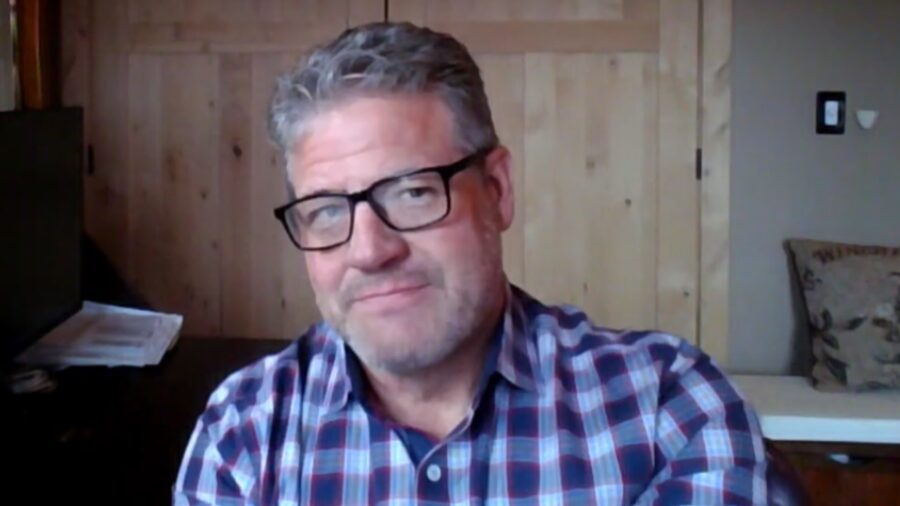
Vice president of research at the Washington Policy Center, Todd Myers, joined “The Gee and Ursula Show” on KIRO Newsradio to provide more insight on why PSE filed its plan and what this means for its customers.
“PSE has asked for about a 30% increase, which is big; that will be decided next year, actually,” Myers said. “They may quibble, right? They may go down to 26% or things like that, but fundamentally, these costs are there for a reason; there are a number of things that go into this, but it’s basically driven by state law.
Myers explained that while the increase seems steep, it’s part of a process designed to maintain stability in the system.
“The Utilities Commission will look to see whether the costs are justified and whether they’re getting a reasonable rate of return,” Myers said. “The way our electricity system works is that it’s a guaranteed monopoly. PSE has a guaranteed monopoly in its area, and the Utilities Commission looks at it and says, ‘Okay, you get a reasonable rate of return,’ by state law. The word ‘reasonable’ is what people debate about, but that has to be part of it.
“Frankly, we want that. We want a stable system with a stable company, because what we have seen elsewhere is that when you get utilities that aren’t making money, or they are at risk of losing money, then they start cutting back on maintenance and other things that we don’t want them to do,” Myers continued.
RELATED STORIES



2030 clean energy deadline puts pressure on utilities, customers
Gee wondered if there were any alternatives for PSE that would allow the company to continue turning a profit while also looking out for its customers. Myers concluded that PSE looking out for its customers would not constitute a stable structure.
“So I think that the structure of your question, I would disagree with, because I don’t think that PSE is ever going to look out for its customers,” Myers said. “I think it does look out for its customers. Don’t get me wrong. They don’t want to feel like they’re gouging, but they also want to get a rate of return, and they have a justification. They can say, ‘Look, we need this money to put in reserves in case there’s a big problem, there’s forest fires, there’s other things like that.’
“They’ll always have a rationalization for why they need it. If our position is, ‘Well, I hope that PSC looks out for me.’ No, I don’t think we can; that’s not a good, stable structure. I think what we need to do is to put more power in the hands of individuals about the cost that they pay. That actually is a part of what they’re doing, which is they’re increasing two-way communication tech, so that people can see what their costs are in real time and take more control.”
Ursula asked how much of the decision comes down to Washington’s clean energy laws, and whether we are moving too fast for what people can actually afford.
“In my opinion, yes, I think we are moving too fast,” Myers said. “One of the things that frustrates me about targets that we have, or climate targets or energy targets, is that they always happen to be divisible by five. They’re always at the decades, and they’re always a certain percentage, 100% or 50%; those targets are set because they’re politically palatable, or you can make them sound cool, rather than any sort of analysis of whether we can actually achieve this.
“I think what we’re seeing with the clean energy transformation act and some of these others is that we set targets based on politics and round numbers, not on feasibility,” Myers continued. “When I talk with not just PSE, but other utilities, they all say it’s going to be really hard to meet that 2030 target. We are way behind. So you’re having to see this rush of investment, trying to keep up with those state laws. Even if we kept the sort of theory of the law or the intent of the law, but moved the deadlines back, I think that would ease some of this pressure.”
Watch the full discussion in the video above.
Listen to Gee and Ursula on “The Gee and Ursula Show” weekday mornings from 9 am to 12 pm on KIRO Newsradio.